





United States announced this Wednesday that it will continue denying visas to members of the Palestine Liberation Organization (PLO) and the Palestinian Authority (PA) due to “lack of agreed reforms” with Washington and “ongoing activities that undermine peace prospects.”
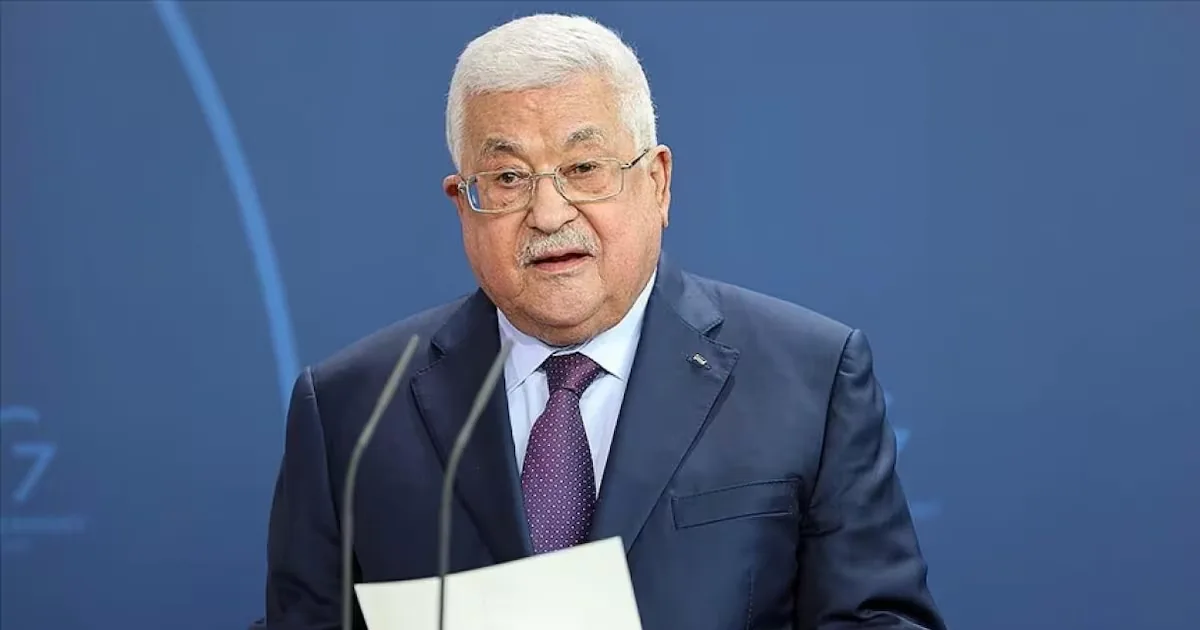
A measure that will prevent the president of the Palestinian autonomous government, Mahmoud Abbas, from being present at the upcoming United Nations General Assembly in New York, for which the White House will only exempt from its sanctions the staff of the Observer Mission to the UN.
“As a consequence of their lack of reforms, contrary to commitments made with the United States, and their ongoing activities that undermine peace prospects, the United States will extend sanctions denying visas to members of the PLO and officials of the PA”, announced the U.S. Department of State in a statement.
As justification, U.S. diplomacy invoked “national interest,” defending its decision to “impose consequences and demand accountability from the PLO and the PA for glorifying terrorism.”
This is in line with its accusation against members of these organizations of “continuing to pay stipends to terrorists, as well as glorifying acts of terrorism and terrorists in public statements and school textbooks.”
Likewise, Washington reproached both entities for “taking actions to internationalize the Israeli-Palestinian conflict, including through the International Criminal Court (ICC) and the International Court of Justice (ICJ),” as well as “attempting to bypass negotiations by seeking unilateral recognition”.
However, the department led by Marco Rubio—who has not yet commented on Abbas’s exclusion—did maintain, instead, “the existing exemption for personnel notified as part of the PLO Observer Mission to the United Nations, as established in previous Department determinations,” thus allowing a limited presence of the PA and the PLO at the assembly.
Read more Trial begins against former French minister Rachida Dati for corruption and influence peddling