



U.S. and Qatari officials said negotiations to reopen the Strait of Hormuz are progressing, although no agreement with Iran has yet been announced that could lay the groundwork for reactivating a broader ceasefire with the United States.
Secretary of State Marco Rubio stated that “progress had been made in the talks, but no final agreement had been reached.” Iran blocked the Strait of Hormuz, a crucial route for global oil and gas transport, following the start of the U.S.-Israeli offensive in late February, causing a severe economic crisis.
Rubio said Iran and neighboring Oman, which also borders the Persian Gulf strait, were holding talks with U.S. participation. Both countries sought an immediate solution to the crisis in the strait, with the long-term goal of curbing Iran’s nuclear program.
According to the emerging agreement, ships would enter the Persian Gulf via a route controlled by Iran and exit via a route controlled by Oman, charging fees for security services and maritime environmental preservation, two regional officials told the Associated Press.
They indicated that negotiations are still ongoing and that the final agreement could take a different form. They added that any agreement would be subject to the lifting of the U.S. blockade on Iranian ports.
The officials spoke on condition of anonymity to discuss the delicate negotiations taking place behind closed doors.
“At first glance, the negotiations between Iran and Oman revolve around technical agreements, mainly the delimitation of the maritime route through which ships can navigate the Strait of Hormuz. Oman proposed a model inspired by the existing agreement in the Strait of Malacca, in East Asia,” Haaretz wrote.
“The parties are trying to draw a new map that does not involve two separate maritime routes, but a single shared two-way route in which each retains its sovereignty. However, this version so far does not explain what Iran’s competencies would be; whether shipowners would be charged for ‘maritime transport services’ such as security, navigation, and maintenance; and, if so, how much they would be charged and how the revenues would be shared. And these are just the relatively simple problems,” it added.
Majed al-Ansari, spokesperson for the Qatari Ministry of Foreign Affairs, told the press that negotiations on the strait were at a very advanced stage, as a draft text of a possible agreement had been distributed among the parties, The New York Times reported.
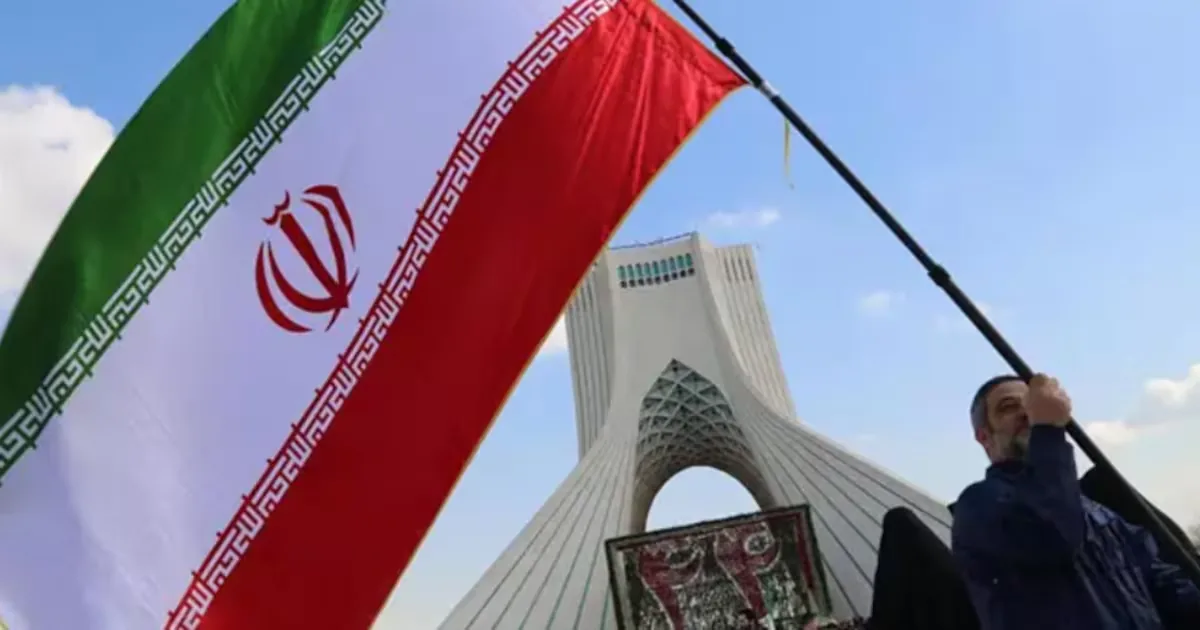
Iran’s blockade of the Strait of Hormuz paralyzed global energy markets and increased pressure on President Trump to end the war. Now, Iran hopes to consolidate its control over this crucial maritime route, which has been an important leverage tool in its negotiations with the United States.
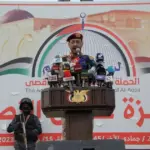
But Tehran has poured cold water on this. “Iran is not seeking to resume talks,” emphasized Iranian Foreign Ministry spokesperson Esmail Baghaei at his weekly press conference. Moreover, the only negotiations currently underway are with Oman, on a provisional solution to the Strait of Hormuz problem.
And still, he did not recommend anyone get their hopes up. Even if an agreement is reached between Iran and Oman, he said, navigation through the Persian Gulf will not resume until the United States fulfills all its commitments under the memorandum of understanding, including the withdrawal of U.S. troops from the region and the end of the naval blockade on Iran.
U.S. Treasury Secretary Scott Bessent said in a televised interview on Tuesday that he believed an agreement could be imminent. “We are in talks with the Iranians and I think there is a possibility we will reach an agreement today or tomorrow,” Bessent said on CNBC.
Read more Trump administration cancels Brazilian ambassador’s visa amid diplomatic dispute
The Trump administration hoped that the brief ceasefire agreed in June would reopen the Strait of Hormuz. Instead, a new confrontation occurred, as Iran has tried to assert its authority in the area.
Iran has asserted its claim by attacking merchant ships attempting to transit the strait. This has led to U.S. bombings inside Iran, as well as a U.S. blockade of Iranian ports, but none of these measures have succeeded in making the Iranian leadership yield.
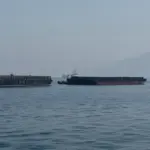
On Monday, a cargo ship, the Minoan Pioneer, owned by Greece, was hit near Oman and one of its crew members is missing, according to the International Maritime Organization. It is unknown who struck the ship.
Over the weekend, Trump threatened a massive military escalation against Iran before abruptly backing down, citing calls for calm from regional allies.
“Our goal right now is to avoid escalation, reopen the strait, and reopen the door to diplomacy between the parties,” said Qatari official Al-Ansari. “What we do not want to see right now is a major escalation in our region.”
According to The New York Times, an agreement with Iran to reopen the strait could have a geopolitical cost for the United States. Iranian officials say they are designing the agreement to reaffirm their ability to control the strait and maintain the strategic influence they did not exercise before the war.
In recent weeks, fighting has spread to another vital maritime corridor in the Middle East: the Red Sea. The Houthis, an Iran-backed group that controls much of northwest Yemen, have vowed to impose a naval blockade on Saudi Arabia, a U.S. ally.
Clashes between the two sides escalated rapidly last month for the first time in years, when Saudi-backed forces bombed Houthi positions and the Houthis claimed to have fired on oil and gas facilities in Saudi Arabia.
On Tuesday, the Indian government reported that a projectile had sunk a merchant ship flying the Indian flag off the Yemeni coast. The 13 Indian citizens on board were rescued, the Indian Ministry of Foreign Affairs reported. The Houthis did not immediately comment.
The New York Times indicated that the war in Iran, along with a cycle of threats and retractions, has disrupted President Trump’s domestic political agenda at a critical political moment.
Americans face rising gasoline prices; Republicans in Congress are forced to fund and defend an unpopular war they never approved by vote; and with midterm elections around the corner, polls show a collapse in support for a war with no end in sight.
Trump will embark on a tour this week of the West Coast to talk about the economy and present his agenda to the American people. Below are three internal obstacles the president faces due to the war.
Read more James Norton, the villain of House of the Dragon: “He perceives himself as the hero”