


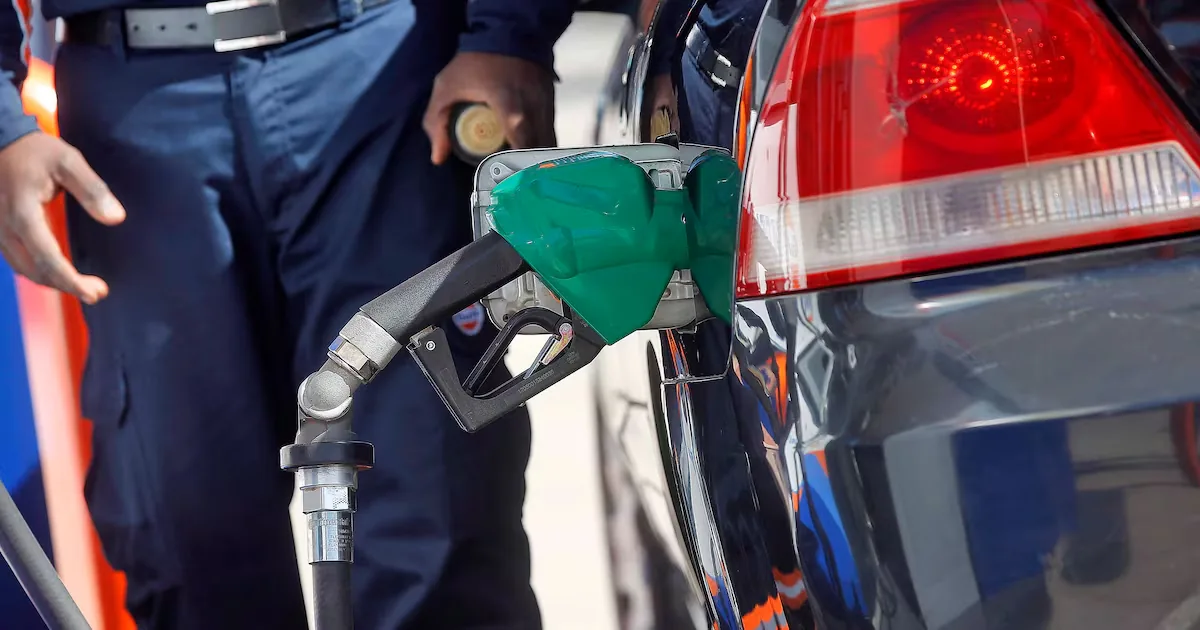
The president of Bolivia, Rodrigo Paz, announced the elimination of all diesel subsidies, after Congress approved a loan of US$1.9 billion from the International Monetary Fund (IMF) to stabilize the economy.
Read more Trump and Xi will gather AI leaders at the White House amid debate over regulating its development
“We have made the decision that from today diesel will cost us the same as it costs to buy it abroad. We cannot buy expensive to sell cheap so that a few steal it,” Paz said in a recorded message broadcast on national television.
The president had committed to the multilateral organization to end the fuel subsidy and reduce the fiscal deficit to access financing.
Paz stated that the country’s resources “will no longer be used for this subsidy,” but will be allocated to public infrastructure, including schools, hospitals, and roads.
“Subsidy or future,” the president said referring to the alternatives presented.
Paz also announced that 2.9 million people will receive a new payment from the Extraordinary Protection and Equity Program (PEPE) bonus.
He also reported that the Government will allocate 800 million bolivianos, equivalent to 81.6 million dollars, in loans under preferential conditions for heavy cargo transporters, guild members, artisans, and retail traders, as well as boosting other social aids.
Read more Natalia Contesse: in the footsteps of Violeta
After taking office last November, Paz had to adopt measures due to the lack of fuel and dollars, amid an economic crisis he attributed to his predecessors Evo Morales and Luis Arce.
The price per liter of gasoline and diesel doubled in December 2025. In the case of diesel, it rose again in August by another 100%, reaching 18 bolivianos, nearly two dollars.
The Government had announced in January that it would abandon the fuel subsidy system in place since 2005. The elimination began with diesel, while a decision on gasoline is still pending.
Paz assured that the subsidy, mainly for diesel, costs the State about US$55 million per week and stated that it encourages smuggling because prices in neighboring countries are higher.
Several productive sectors, peasants, and drivers have preemptively rejected the measure and announced protests to demand that some type of subsidy be maintained.
Read more How Sweden managed to reduce shootings amid a gang violence crisis