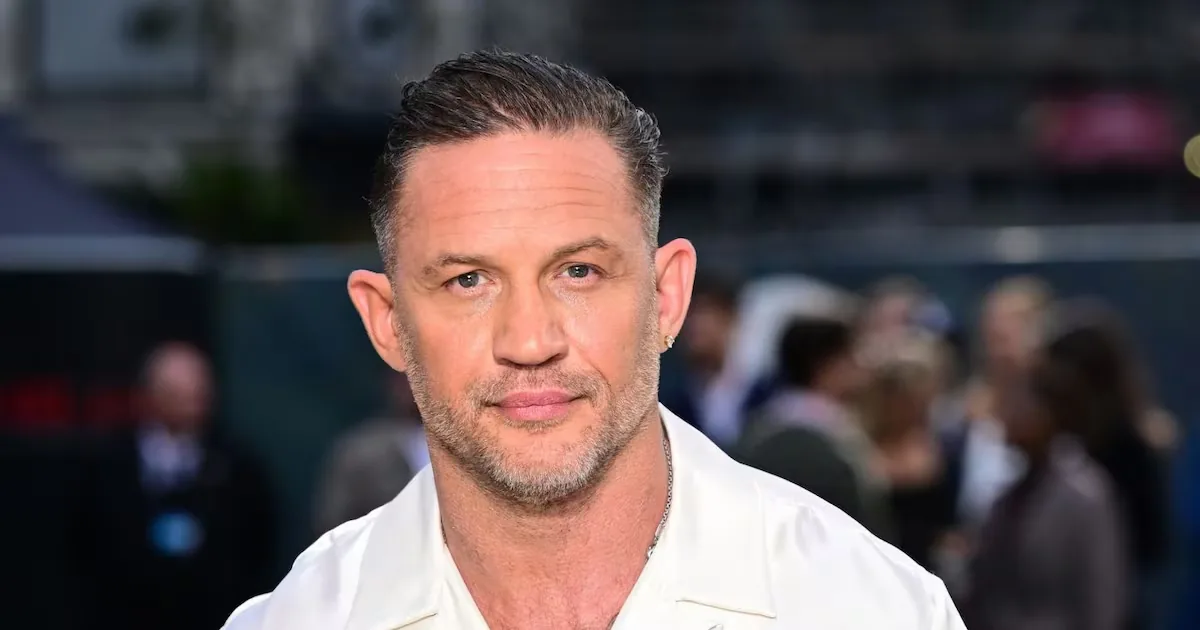








The last years of Rodrigo Castro (Santiago, 1972) have been eventful. The musician moved to La Serena for a while, suffered the death of his father, and even had to be treated for a recluse spider bite that complicated him and kept him out of circulation for a few months. Meanwhile, his most widely known project, the electronic duo Marciano, underwent a transformation.
After working for years with Sergio Lagos, the project now rests solely on Castro. A decision that, he says, came about with the circumstances. “I went to live in La Serena, returned in June 2023, and then we started doing some dates with Sergio. Then we began working on an album, I started composing, and Sergio, because of his television schedule, was very limited because he had to live in Lima for about two years,” he says on the phone with Culto.
It was then that Castro decided to continue with the beats. “I told Sergio I couldn’t keep waiting on the television rhythm. The Marciano project was already in the album’s gestation stage. So, since I am the composer of the discography and also the owner of the brand, I decided to embark on this path alone first,” he adds.
The musician kept composing, focused on his electronic material and the audiovisual work he does for Quijote Films. But Marciano entered a different phase. There was no turning back. Castro comments that there was no final conversation with his partner, but rather things naturally took their course.
“When Sergio started his solo career, a kind of musical dissociation occurred”, he points out. “So in this musical dissociation, mostly on his part with electronic music, that naturally separated the musical path. Without any conflicts or anything, it was very natural. It’s not like it happened with a conversation like ‘hey, I’m going to continue,’ but I started playing and it just happened.”
-How have you seen the reaction of Marciano’s followers to this change?
The only network that Sergio and I always managed was Instagram, which is @marcianosonido. And honestly, when I started communicating this, the reception was quite good. Surprisingly good, without being pejorative about my ex-partner, people took it well because I feel that Marciano’s discography, especially the first four albums, marked a generation that is happy, beyond the public or non-public figure.
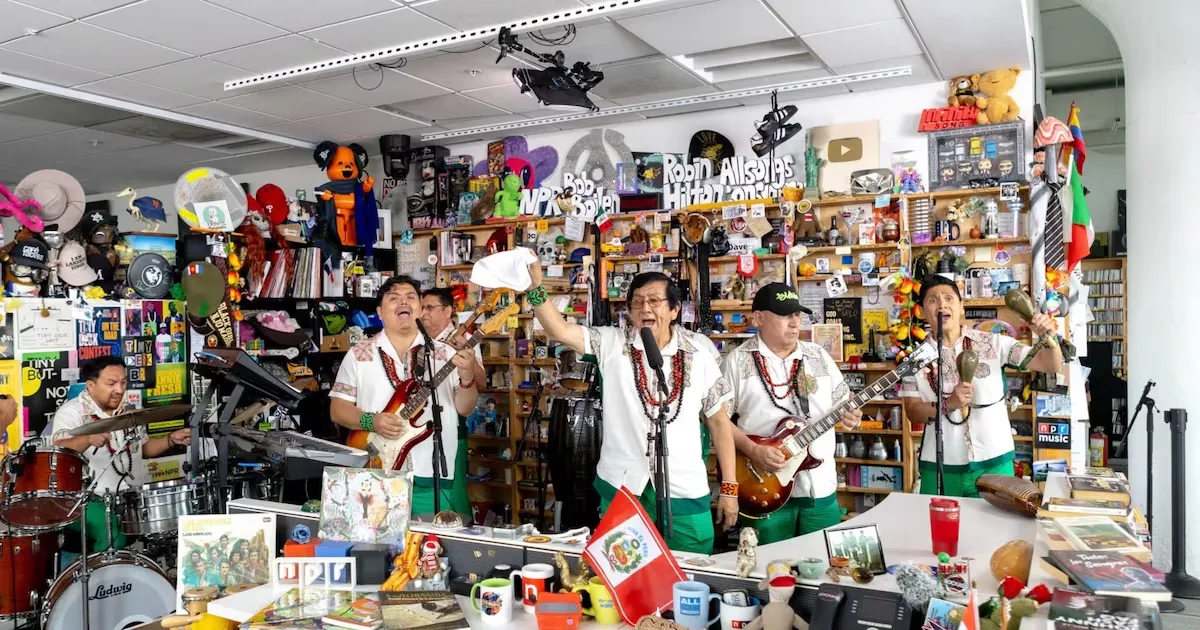
Unlike the duo years, Castro expanded Marciano into a trio, including two musicians, Yassin Velasquez on guitar (musician and founder of Quijote Films) and Loreto Rios Montecinos on drums and percussion (ex Mono o estéreo?). Last year, he focused entirely on working on the new identity. “And there the album in parallel took shape with this band project, which is what I had wanted to do for a long time.”
-In general, electronic music tends to be associated with DJs, why did you decide to opt for the band format?
I think it’s like a demarcation that I believe is very necessary given this overexploitation of DJs and DJs as influencers, likes, and all this thing from which I am completely detached. I think it was important to start observing a phenomenon that began abroad. Many musical projects that I really like, like Moderat, Caribou, Nicolas Jaar with his band now Darkside, there are many bands whose albums probably involve one or two people, but I started seeing these festival performances that began to present with a band and that seemed very interesting to me. And that’s exactly where I want to aim. I don’t want Marciano to go back to playing the club scene, where DJs are today. My proposal with the band is to establish a path through festivals and especially to move abroad, precisely through festivals. It’s about revaluing the discography and repertoire, versus these DJs. Simply put, I have no connection with the DJ world in general.
Read more Edo Caroe sells out two dates at the Movistar Arena and announces a third for November
-What is the main change for you, going from a duo to a band format?
It happened to me with the 2024 tour I did with Daniel Cartes, who suggested that I need to tune in more with the people I’m playing for, because I’m always very attached to the machines. When you’re playing live, you’re worried about many buttons, many things, the lights, the darkness, etc. And that challenge of facing a live playing dynamic as a band is what’s really new, because I’m going to be playing bass too. Yassin on guitar, with a very pristine, clean guitar, like Nile Rodgers, and Lore who plays amazingly. They are people who have studied music thoroughly and that will help me to have a clearer live structure as well.
-Marciano has had several appearances at major festivals, opening for Daft Punk, Chemical Brothers, Gustavo Cerati. Which of those experiences somehow marked you the most?
-I think they are all great milestones. For example, in Switzerland we played before Sonic Youth. It was a very crazy festival because it was a very family-like festival. The Plan V thing was interesting because there was a human contact with Gustavo Cerati, who was very cool during the soundcheck, and who also led us to share the stage several times both with his Plan B project and with Roken and Ocio. The Chemical Brothers thing was also cool because we spent a weekend with them sharing, there was communication, a bond, we had a great time, listened to music. And without a doubt, Daft Punk I think is very significant for what the band represents itself, although we couldn’t be with them personally, but I do think that SUE’s version was impressive. I think all the gigs have always had interesting milestones.
With the new lineup, Castro is preparing the project’s new album, Radioedit. A work he has prepared between demos recorded at home and the classic traveling studio Astro Parlante where most of Marciano’s material has been recorded.
“The title plays with this concept invented in the 1950s that songs have to last 3 minutes 40 seconds to be able to play on a programming schedule. In 2001, when we released Neruda, the first thing they told us on the radio was that it had to last that long, otherwise they couldn’t play us. So for us it was like ‘how lame!’ And now these songs are still long, from 7 to 10 minutes, but we will have all their radio edit versions. And it comes with an integral concept in every sense, the album sounds very retro-futuristic, sounds eighties.”
Radioedit will be released in October and will be available in physical format. “We want to release this album on vinyl. I understand that streaming on digital platforms is something very important, people listen to music there. But this is an album recorded with real synthesizers, recorded with real preamplifiers. For people who like high fidelity, clearly the best way to listen is on vinyl. It’s an album that deserves to be heard well. I’m very happy with how this album is turning out.”
-Have you considered the chance to reissue some of Marciano’s classic albums on vinyl, like Polarizado?
Yes, I mean, people really ask for it. In January this year, Iván Navarro, who is a visual artist, did an exhibition that was accompanied by a musical session, and I played an album in full that I had never played in my life, which is Come Astronautas (1998). And many people came to ask me exactly: When on vinyl? On Instagram they also ask us when on vinyl and I would love to release the entire discography on vinyl. But that’s a bit expensive.
Read more The dramatic stories of survival and death after the earthquake that struck Colombia