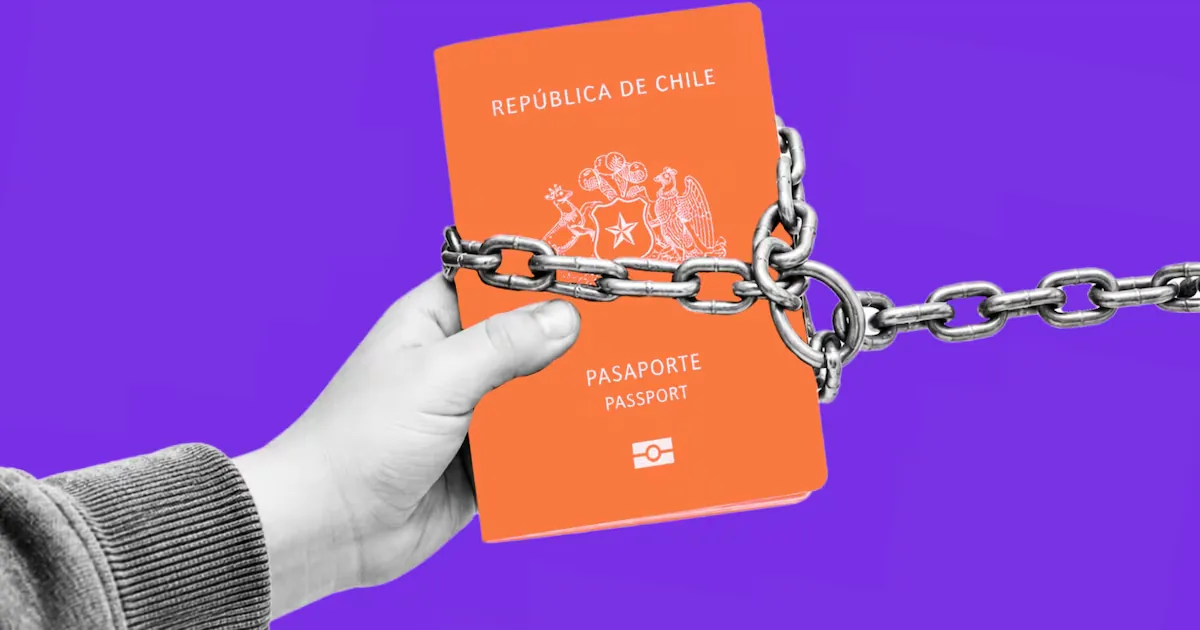










Every September 10 we talk about the same thing again. That you have to ask for help, you have to listen, no one should suffer alone. None of that is wrong. The problem is that we stop there, as if saying “talk” were the end of the story and not just the first step.
Almost no one asks what happens next. What happens when someone really gathers the courage and says “I can’t take it anymore,” and on the other side finds an appointment weeks away, a price they can’t pay, or a long waiting list. Because one thing is to say “ask for help.” Another, quite different, is that help being there.
That doesn’t mean that campaigns inviting people to talk and ask for help aren’t necessary. They are. Talking matters, and a family that learns to listen without judging can change many things.
Let’s think of a woman who prepares breakfast for her children, checks that they have their backpacks, and then gets ready to go to work. All while the idea that ceasing to exist would be a relief circles in her head. If she manages to say it out loud to a friend, her partner, or anyone, she has already taken the hardest step. That’s when we, as a system, should be up to the task. Today, too often, we are not.
A private psychiatric consultation can cost around $100,000. For many families, that is not a minor expense: it’s the school tuition or the week’s groceries. So the person does the math, sees what can be postponed, and ends up postponing themselves. And note that this consultation is just the beginning: then come follow-ups, psychotherapy, maybe medication. You can perfectly know what is needed and still not have the means to pay for it.
There is GES. There is Zero Copayment. These are real advances, I won’t minimize them. But free care doesn’t create specialist hours out of thin air. The data from the Health Superintendency on the use of GES benefits in mental health are quite clear: depression has the longest waiting lists in the system, both inside and outside GES, and new cases in the public sector surged after the pandemic. The monitoring of timely guarantees has recorded, year after year, hundreds of services that did not arrive within the timeframe promised by law.
In 2022, according to figures from the Ministry of Health itself, the average wait for a first adult psychiatry consultation dropped from 401 to 344 days. In child and adolescent psychiatry, from 427 to 341. Yes, although the wait was reduced by more than 15%, it is still about a year. And that time is not just a number on a spreadsheet. It is eleven months working, raising children, pretending everything is fine while something inside keeps breaking. Eleven months in which someone can lose their job, lose the little support network they had, or simply get tired of insisting in front of a system that demands patience just when what they have is urgency.
And when they finally get the appointment, the problem doesn’t end either. The Ministry of Health plans psychology follow-ups in Primary Care with a concentration of between four and six visits per year per person, according to its own technical network programming guidelines. It is not an official clinical limit, just a planning reference. The detail is that this reference ends up deciding how many professional hours exist and, therefore, how many times a year someone can ask for help again.
How can a treatment be sustained with a follow-up every two months when there is suicide risk and what is needed is to return in two weeks? The frequency should depend on the clinical state and risk. Today it depends on how many slots remain in the schedule.
Getting an appointment is not the end either. A mental health crisis can mean that, for a time, a person is not able to work. That they need a medical leave. Getting it accepted, appealing if it is rejected, and surviving economically while all that happens is a story as well known as it is absurd.
A meta-analysis of 113 studies, published by psychologist Hannah R. Snyder, found that major depression can precisely affect executive functions such as organizing, planning, and holding information in mind. The study does not talk about specific procedures, but it explains quite well something that anyone who has struggled with a rejected leave knows: opening the computer, reading the instructions, losing track by the third line, going back to the beginning, and ending up closing the tab with the feeling that they couldn’t handle that either.
That is, we ask a person who barely manages to organize their thoughts to organize documents, follow instructions, meet deadlines, and if something goes wrong, appeal.
While they appeal, the bills keep coming. Rent, groceries, school, medicines. Telling them they have the right to complain is only half the answer. The other half is that they understand how to do it and, often, that they have the mental capacity to do it.
Of course, suicide is not explained by a rejected leave, a waiting list, or an appointment that never came. It would be absurd to say so. But it is also absurd to talk about prevention as if everything depended on a person finding the words to ask for help.
Preventing suicide cannot be reduced to a helpline and a well-designed poster every September. It needs real budget, contracted professional hours, and treatments that don’t stop after six follow-ups just because a spreadsheet says so.
This September 10, more than asking if someone dares to say “I need help,” we should ask how long they will have to wait, how often they will really be attended to, and who will be there the day they no longer have the strength to keep insisting.
_
If you or someone you know is going through such a moment, in Chile you can call Salud Responde at 600 360 7777, option 1, or dial *4141, available 24 hours, every day of the year.