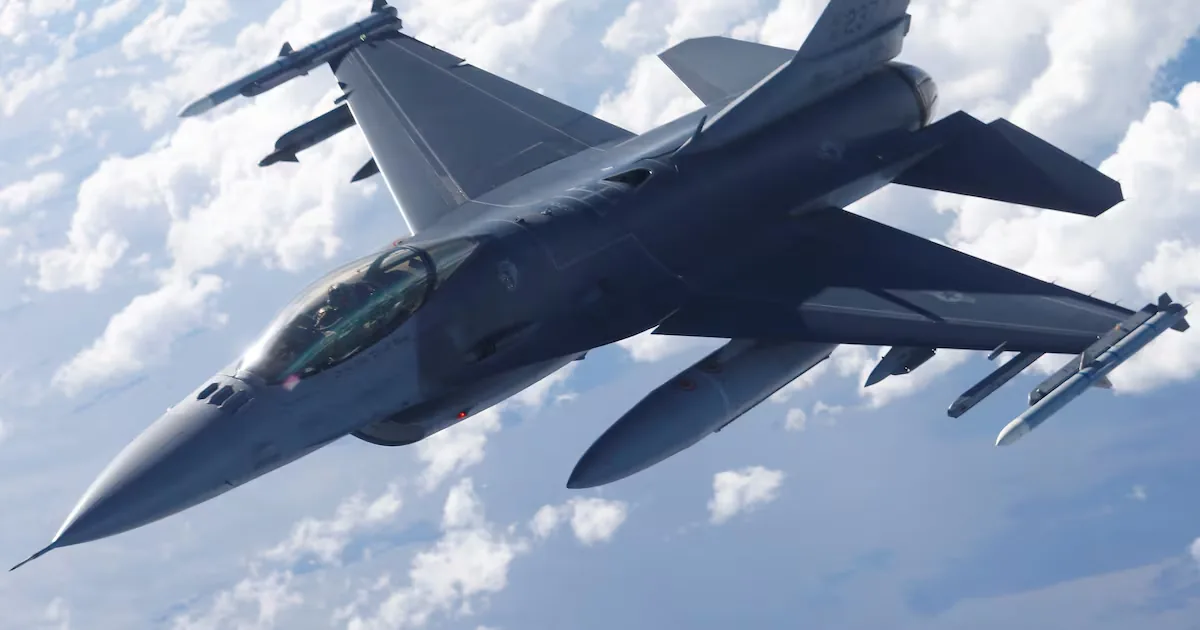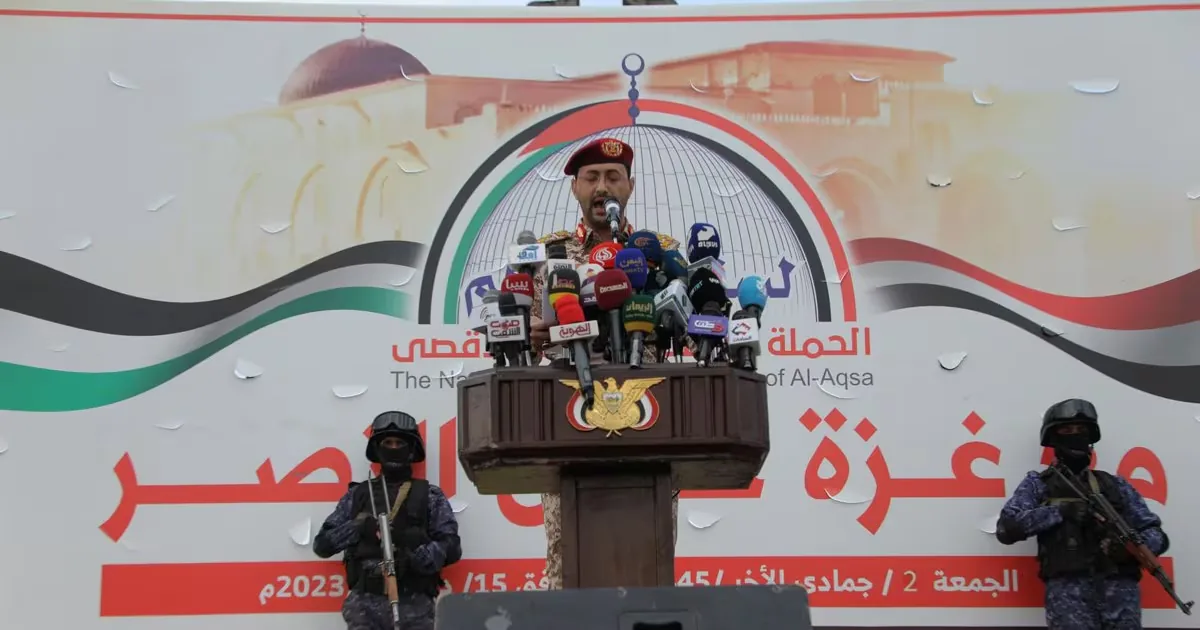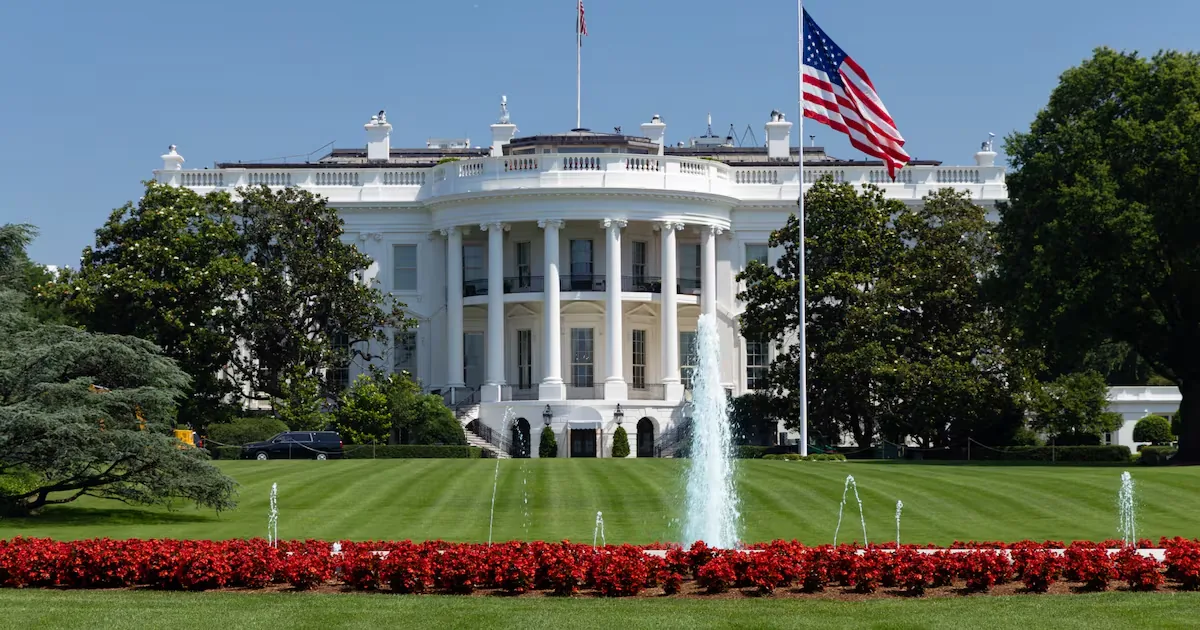





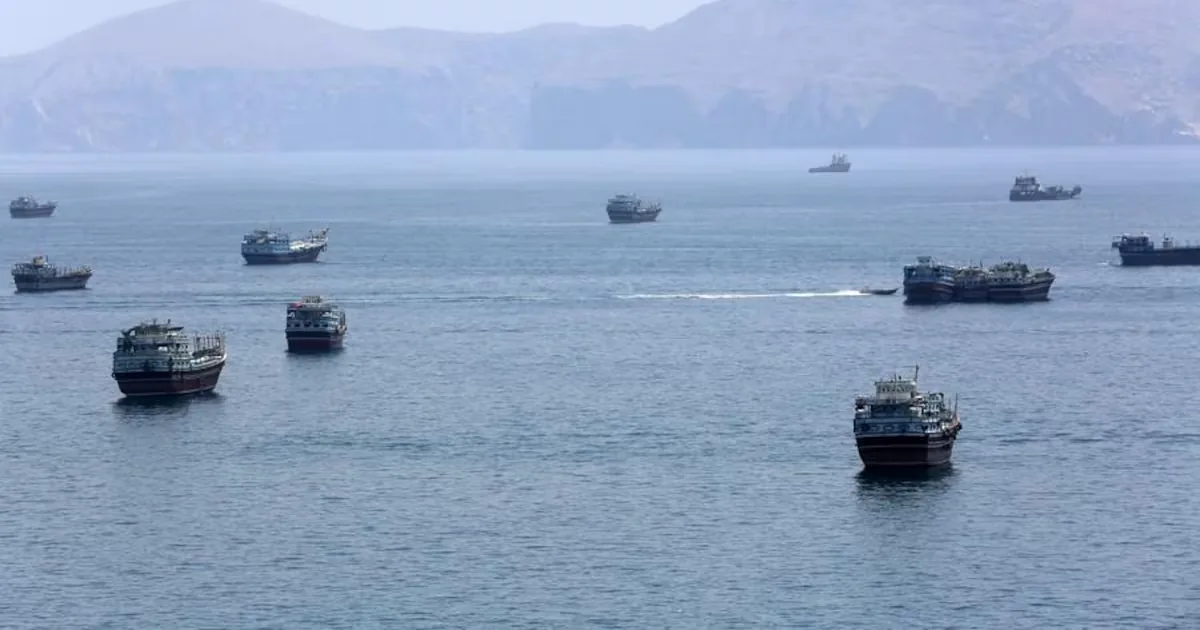
The renewed escalation between the United States and Iran, and the spread of the conflict to the Gulf states and the Strait of Hormuz, are putting the governments of the region in a complex position: On one hand, they depend on strong alliances with Washington, which include extensive security cooperation and the presence of U.S. military bases and forces. But on the other hand, they are determined to avoid a confrontation with Iran that could turn their territory into a battlefield and undermine their economic stability.
Read more Let’s talk about love: my unconditional companion Petunia
Although Tehran insists that its target is only the U.S. military presence and not the Gulf states themselves, the missile debris, attacks on U.S. military facilities in Qatar, Kuwait, Oman, and Jordan, launched in response to a broad U.S. attack on dozens of military targets in Iran, demonstrated how easily neighboring countries can become involuntary participants in the conflict.
Amid this context, President Trump backtracked on Tuesday on his demand to charge a 20% toll on ships transiting the Strait of Hormuz, and instead said that the Gulf states would make significant investments in the United States.
The announcement he made on Monday about charging fees for the Strait of Hormuz was considered illegal by the UN maritime agency and shocked many U.S. allies in the Gulf. Furthermore, it validated Iran’s demand to charge fees for the use of the strait, something Trump himself had rejected until a few days ago.
“After very productive talks with Middle Eastern leaders, I have decided to replace the 20% U.S. reimbursement fee with trade and investment agreements that the various Gulf States will make in the United States,” Trump wrote on Truth Social.
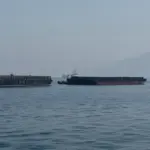
Trump made these statements several hours before the U.S. naval blockade against Iran came into effect. The U.S. Central Command, which oversees U.S. forces in the Middle East, announced that the naval blockade of Iranian ports, effective from April to June, will resume on Tuesday at 11:30 p.m. local time. It added that recent airstrikes against Iran aimed to diminish Iran’s military capability to attack merchant ships in the strait.
“The Strait of Hormuz is open to ALL maritime traffic, except Iran’s, and that is due to its lying, violent, and malicious leadership, which is leading them down the path of TOTAL DESTRUCTION,” Trump wrote.
Two officials from Gulf countries told Axios that Trump’s announcement about tolls on Monday took the region’s countries by surprise. According to the sources, officials from several Gulf countries requested clarifications from their White House counterparts.
On Tuesday, Trump spoke with the Emir of Qatar, Sheikh Tamim bin Hamad Al Thani, to express his condolences on the death of his father. The conversation also addressed the issue of the Strait of Hormuz.
Before the war with Iran, Saudi Arabia, Qatar, the United Arab Emirates, and Bahrain had already committed to investing more than 2 trillion dollars in the United States over the coming years.
Trump stated in his post that the Gulf countries will make “new investments” that “will make that figure even higher.”
The main concern of the Gulf states is whether their layered air defense networks will continue to withstand sustained Iranian attacks if the confrontation between Washington and Tehran escalates into a more intense and prolonged conflict.
“The Gulf states are in a difficult situation because they are targets of attacks due to their relations with the United States, but those relations with the United States and the presence of those bases have also meant that many of the attacks have been largely thwarted or their consequences reduced,” Simon Mabon, professor of international relations at Lancaster University, told Al Jazeera.
An Arab official from one of the Gulf states told Haaretz that Iran’s attacks “were not only intended to send a military message but also to exert political pressure on the Gulf governments and urge them to use their influence in Washington to stop the U.S. attacks.”
“For the Gulf States, this message is particularly worrying. They emphasize that they did not allow their territory to be used to attack Iran and that from the beginning they tried to avoid escalation. In their view, attacking them in retaliation is therefore unjustified and could undermine their mediation efforts,” he added.
In this regard, Haaretz indicated, their room for maneuver is increasingly limited. “Their preferred path remains diplomacy, which they consider the least dangerous option and the one that best suits their interests. As long as there is the slightest possibility of resuming negotiations between the United States and Iran, the Gulf states are expected to continue investing in mediation,” the newspaper stated in an analysis.
At the same time, they are preparing for a possible intensification of fighting by strengthening air defenses, securing oil facilities, ports, and airports, and deepening security coordination with Washington. However, they avoid appearing involved in offensive operations against Iran, for fear of becoming a permanent target of Iranian reprisals.
“In addition to the security challenge, the Gulf states also face a serious economic threat. Ongoing tensions around the Strait of Hormuz could disrupt oil and gas exports, increase maritime transport and insurance costs, and harm investment, tourism, and air transport,” the newspaper noted.
“If the crisis persists, energy-importing countries could seek alternative suppliers, which would weaken the Gulf states’ position in global energy markets. At the same time, the crisis could accelerate their efforts to develop alternative export routes and reduce their dependence on the strait,” it added.
If the escalation continues without a solution, their room for maneuver will be further reduced, forcing them to face a much more complex economic and security reality. The Gulf states’ strategy currently rests on three pillars: protecting their own security, preventing their territory from becoming a battlefield, and continuing to invest in a diplomatic solution. But the success of that strategy mainly depends on decisions made in Washington and Tehran, Haaretz wrote.
“What we are beginning to see is a strengthening of relations between the Gulf countries and the development of shared intelligence and security: flight tracking and information sharing on air defense,” Mabon said.
“We are seeing formal agreements in the Gulf Cooperation Council and increased cooperation. We also observe diversification alongside an excessive dependence on the United States, hoping they could defend themselves if U.S. involvement were reduced.”
Read more Heinrich Schliemann: the man who discovered (and almost destroyed) Troy