






Thirteen people died this Saturday after a tourist plane crashed in the Pueblo Viejo area, near the Nazca Lines, in southern Peru.
Read more Explosion in Moscow venue leaves at least two dead and more than a dozen injured
The aircraft was carrying 11 passengers and two crew members. According to information provided by the Peruvian police, there were no survivors. So far, authorities have not reported the identities or nationalities of the victims.
The accident occurred after 1:00 p.m., when the plane from the company AeroDiana was making a tourist flight over one of the country’s main archaeological attractions.
The Provincial Municipality of Nasca reported that the plane had taken off from the city of Pisco heading to the geoglyphs located in the desert of the Ica Region.
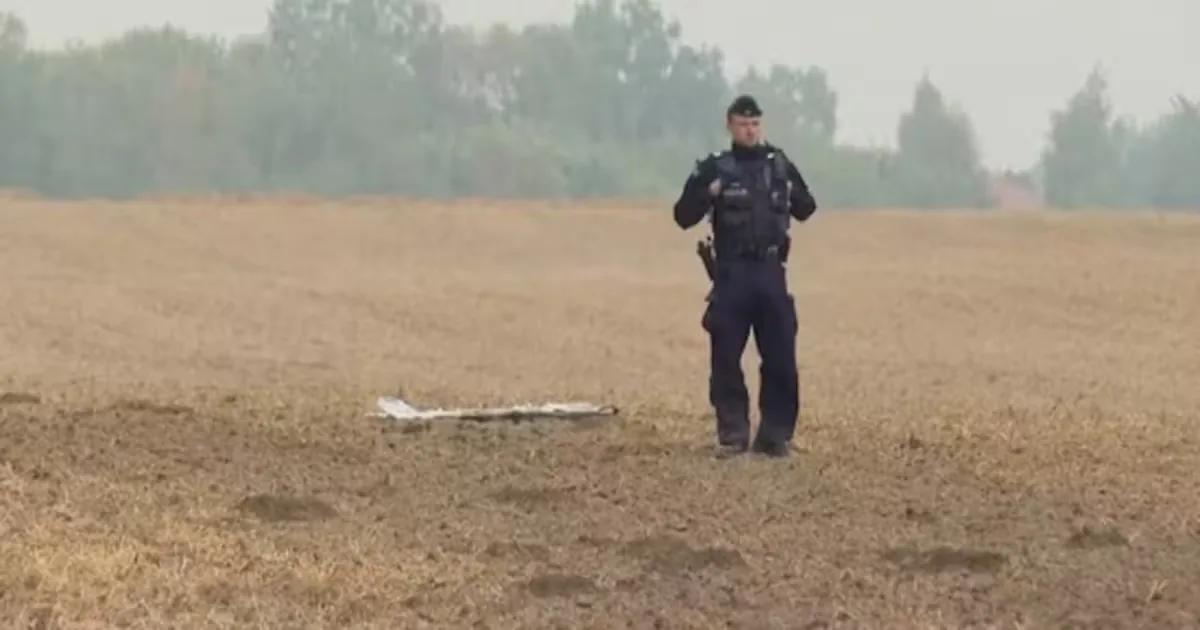
Firefighters and National Police teams worked at the crash site, while the Public Ministry ordered the transfer of the bodies to the regional morgue.
The circumstances of the accident have not yet been established. The Aviation Accident Investigation Commission has begun collecting technical evidence to determine what happened and establish possible responsibilities.
The municipality indicated that the investigation and supervision of aeronautical operations correspond to specialized agencies.
Read more Francisca Valenzuela: “Motherhood is absolutely precarious and invisible”
The crash occurred one day after the so-called Paracas winds affected the Ica Region. In Pisco, gusts close to 50 kilometers per hour were recorded, and weather conditions forced the temporary suspension of some tourist flights. So far, authorities have not linked that event to the accident.
The area has already recorded other accidents related to tourist overflights.
In February 2022, a plane crashed near the María Reiche airfield, leaving seven dead, including two Chilean tourists and three Dutch tourists.
In 2010, another six people —four British tourists and two Peruvian crew members— died after an aircraft crashed following a flight over the lines.
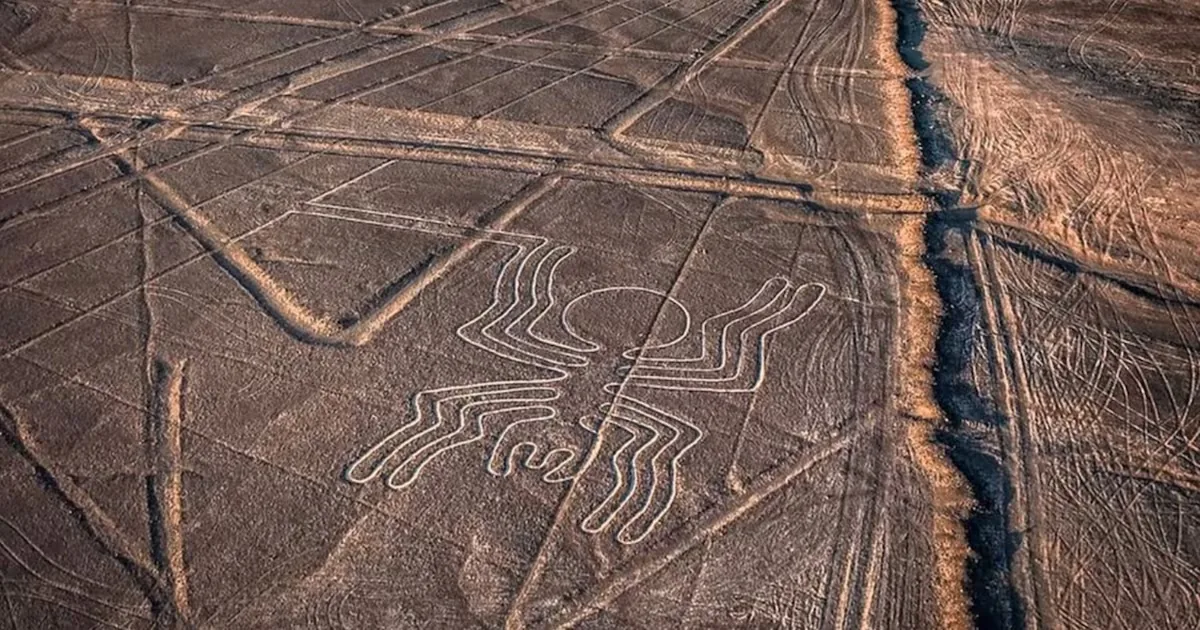
The Nazca Lines correspond to a set of geometric figures and animal representations drawn in the Peruvian desert more than 2,000 years ago. Due to their size, many of them can only be fully appreciated from the air.
Read more Book Review: from Robert Darnton to Daniel Alarcón