








Australia has decided to take action regarding Artificial Intelligence (AI) and will create an office at the heart of the government to manage the development of AI standards and will require data centers to be net energy producers and limit their water consumption.
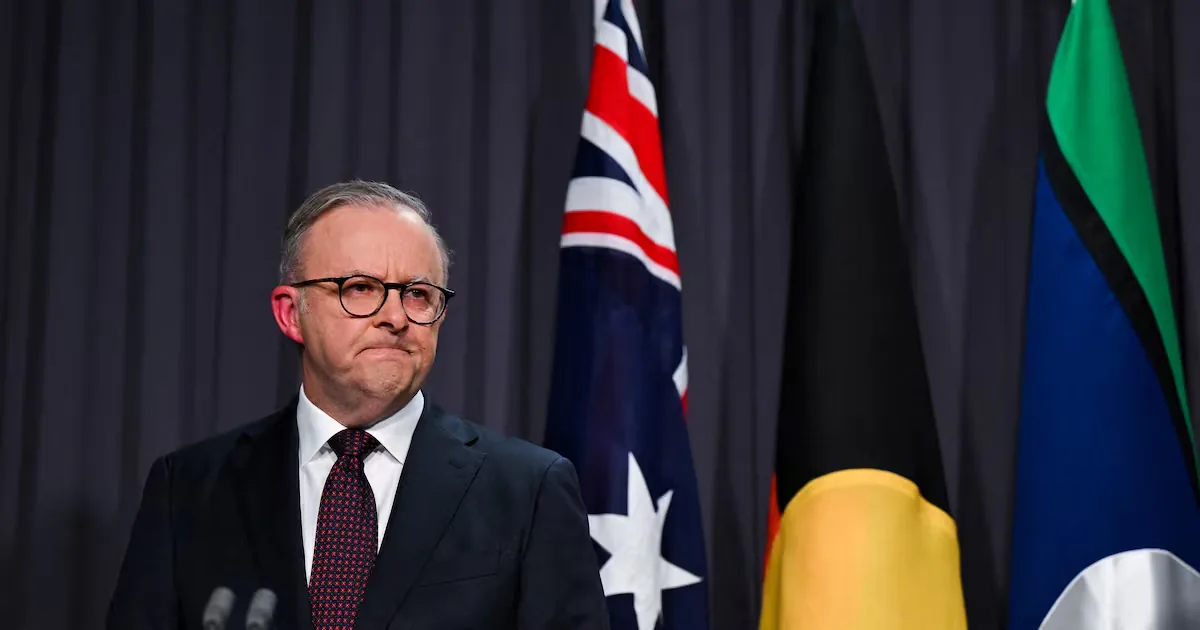
This was announced by Prime Minister Anthony Albanese on Wednesday, who stated that the AI Office will be established within the Department of the Prime Minister and Cabinet and will ensure a comprehensive government approach across different ministries.
“So far, our response has been issue by issue, sector by sector,” Albanese said in a speech delivered in Sydney. “This is our moment to decide what AI will look like here in Australia. It’s not about whether AI will transform our economy, nor when it will; we have already passed that stage,” he added.
Currently, Australia does not have any specific AI law but relies on a series of privacy and consumer protection laws, as well as a voluntary ethical framework for Artificial Intelligence.
According to Albanese, this approach is pioneering worldwide and will enhance Australia’s appeal as a destination for AI investment by providing greater clarity in approvals and a more agile compliance process.
“Our Australian standards will also set clear rules for large data centers: where they are built and the energy and water they use,” he said, adding that legislation will be introduced in Parliament early next year.
Australia had gotten ahead of other countries by imposing limits on children’s use of social media, but the challenge of shaping AI has been greater and has required immediate action, Albanese noted. “If we fall behind and stand still, this will simply run us over,” he said.
“Our great country can be much more than a data warehouse for AI products made overseas,” he added.
Albanese’s announcement comes after it was revealed this week that the US startup Anthropic has pressured Australian officials to amend copyright laws to facilitate AI model training.
Musicians, writers, and publishers have urged the government to resist that pressure and protect their work. Australian creative content is not “up for grabs,” Albanese warned.
“No company should use Australian books, music, art, or news to develop or train AI without the artist’s control (…), anything less than that is theft,” he said.
According to Reuters, Australia seeks to position itself as a leader in AI and a global hub for data centers, while facing calls for stricter regulation as the technology spreads across the economy.
Concerns are growing that AI will cause job losses and higher energy costs, compromise security and intellectual property, and harm the environment through the expansion of data centers that require large amounts of water.
“The AI-driven data center boom will have a profound effect on our energy system and, if unchecked, this growth could mean skyrocketing prices and runaway climate pollution,” said Amanda McKenzie, CEO of the expert group Climate Council, in remarks to Reuters.
Albanese’s shift toward stricter AI regulation has been generally well received but increases pressure to provide more details and take decisive action on the risks posed by this technology, Australian media SBS News reported.
“This announcement marks a shift from the lax approach the federal government had previously taken on regulation, and comes after months of pressure from both the tech industry and those concerned about the rapid changes AI is causing in the economy,” the outlet said.
In conversation with SBS News, Geoff Webb, an AI researcher at Monash University, called the AI office an “important initiative” that would strengthen Australia’s ability to develop “critical” sovereign AI capabilities.
Lizzie O’Shea, president of Digital Rights Watch, also supported the measure but said she was concerned that speeding up approvals for AI data centers could exacerbate community distrust of artificial intelligence.
“By prioritizing data centers, we lose capacity to develop renewable energy projects in the climate crisis, for building new housing in the housing crisis, and we likely increase the current cost of electricity and water in a cost-of-living crisis,” O’Shea told SBS News.
However, Greens Senator David Shoebridge was critical, stating that the office would have no legal powers. “What the Prime Minister has offered today is a single door in his office,” he told SBS News. “That will not provide the protection Australians have been asking for,” he asserted.
Opposition leader Angus Taylor said the creation of this office would generate “more bureaucracy” and hinder the adoption of technology in Australia.
The government revealed its forecasts for large AI data centers in March, but Albanese said they will now be strengthened through legislation.
Developers would be required to fund the new generation of energy for high-energy-consuming facilities and pay for additional water use.
The government said the measures would ensure costs would not impact households or businesses, and operators were expected to inject at least as much energy into the grid as they consumed.
O’Shea said any deal made with large tech companies or related to data centers should not be done behind closed doors.
“There is a real opportunity for the government to consult openly with communities and work collaboratively to ensure we have the right infrastructure for the 21st century,” she said.
Read more Family scones