






“We are looking for new, creative, and unconventional ways to pressure and punish Iran.” That was the message a senior officer from the intelligence branch of the United States Central Command (CENTCOM) sent to a large group of military analysts, seeking new ideas on how to address the situation in Iran.
This was reported by CNN, which noted that the request “is a sign of the limited—and potentially unpleasant—options Trump has to force Iran to reach an agreement on his terms.” Hoping to find an alternative, the CENTCOM official initiated the email brainstorming session to see if anyone had a better proposal.
“The United States Central Command has a long history of innovative thinking and work,” CENTCOM spokesperson Captain Timothy Hawkins told CNN. “Admiral Cooper, in particular, communicates with members of our excellent team, regardless of rank, to achieve the highest possible levels of operational performance,” he added.
The email preceded Trump’s threat to launch new attacks against Iran, which he later canceled over the weekend after regional officials, particularly the Crown Prince of Saudi Arabia, intervened by calling the president and urging him to de-escalate tensions.
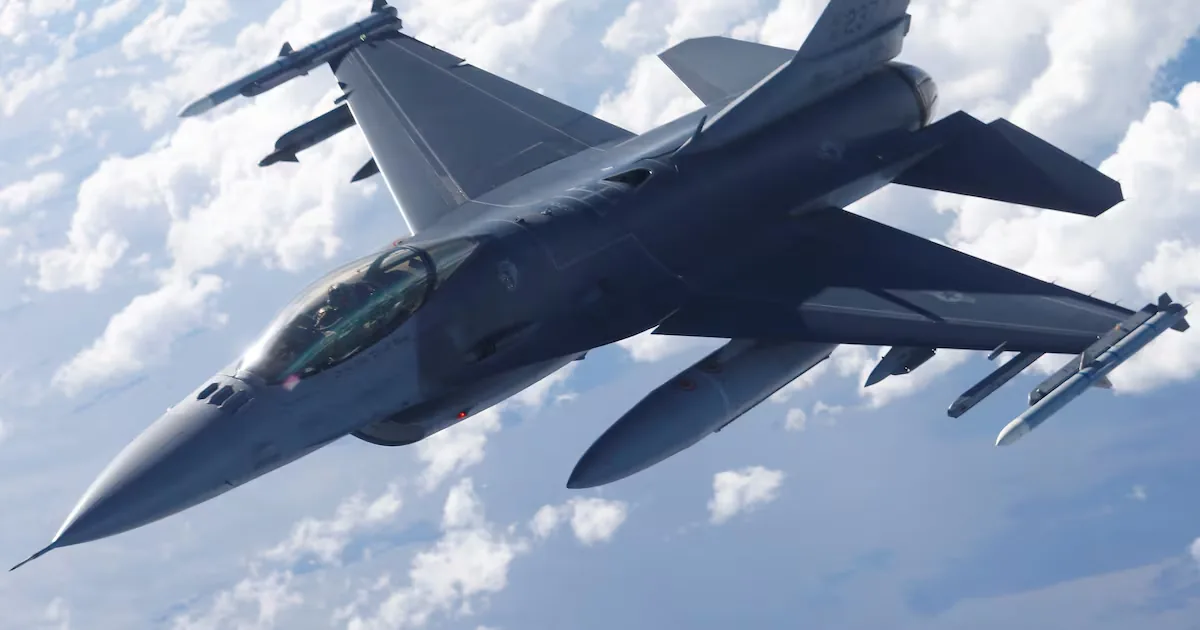
For weeks, the United States has bombarded Iran with airstrikes designed to diminish its ability to threaten maritime transport in the Strait of Hormuz and to force Tehran back to the negotiating table, but there are still no signs of an agreement.
Trump has been weighing intensifying the military campaign, possibly relaunching heavy strikes against Iran’s remaining nuclear facilities, which he said were “razed” in last summer’s attacks. Two sources familiar with the planning say the military has been actively preparing to launch attacks against Mount Pickaxe and other Iranian sites believed to contain nuclear material or equipment.
The president told the press on Sunday that the United States would begin talks starting Monday afternoon. He said he had been prepared to launch the largest military attack since World War II, but that U.S. allies had dissuaded him. “We were ready to go, but when the allies asked to cancel it, one couldn’t help but say, ‘Well, we’ll see,’” he commented.
Meanwhile, on Monday, he criticized Iran’s “hypocritical” attitude and threatened a naval blockade “until an agreement or total surrender is reached.”
For its part, Iran is betting it can outlast Washington by turning trade routes, maritime lanes, and Middle Eastern energy infrastructure into pressure points that progressively raise the cost of confrontation, according to Gulf officials and analysts who spoke with Reuters.
Read more Trump calls Iran a «hypocrite» after denying the start of talks with the United States
Instead of seeking a decisive military victory, Tehran is following a calibrated escalation strategy aimed at broadening the conflict without triggering a full-scale war, the agency indicated.
The goal is to convince the United States and its allies that containing the crisis is more costly than acceding to Iran’s demands over the Strait of Hormuz. Tehran’s message is that unless Washington accepts a new status quo granting Iran a more significant role in the Strait of Hormuz, the conflict could extend beyond the Gulf.
By putting multiple strategic maritime points and energy assets at risk, Iran believes it can strengthen its position in any future negotiation.
“From the beginning, Iran has tried to out-escalate the United States in the conflict, expanding its escalation options to always have something new to offer each week: a new geography, a new type of weapon, a new type of target,” Michael Knights of the Washington Institute told Reuters.
Having demonstrated its ability to disrupt traffic through the Strait of Hormuz, through which about one-fifth of the world’s oil consumption passed before the war, Tehran has implied that no strategic maritime point is beyond its reach.
Threats to the Red Sea and Saudi energy infrastructure suggest a broader effort to raise the cost of protecting global trade while testing Washington’s tolerance for disruptions.
Iran’s approach reflects what a Gulf source described as the belief among Revolutionary Guard commanders that “they can get more.”
They see an opportunity in what they consider President Donald Trump’s reluctance to become deeply involved in another Middle East conflict before the November midterm elections.