



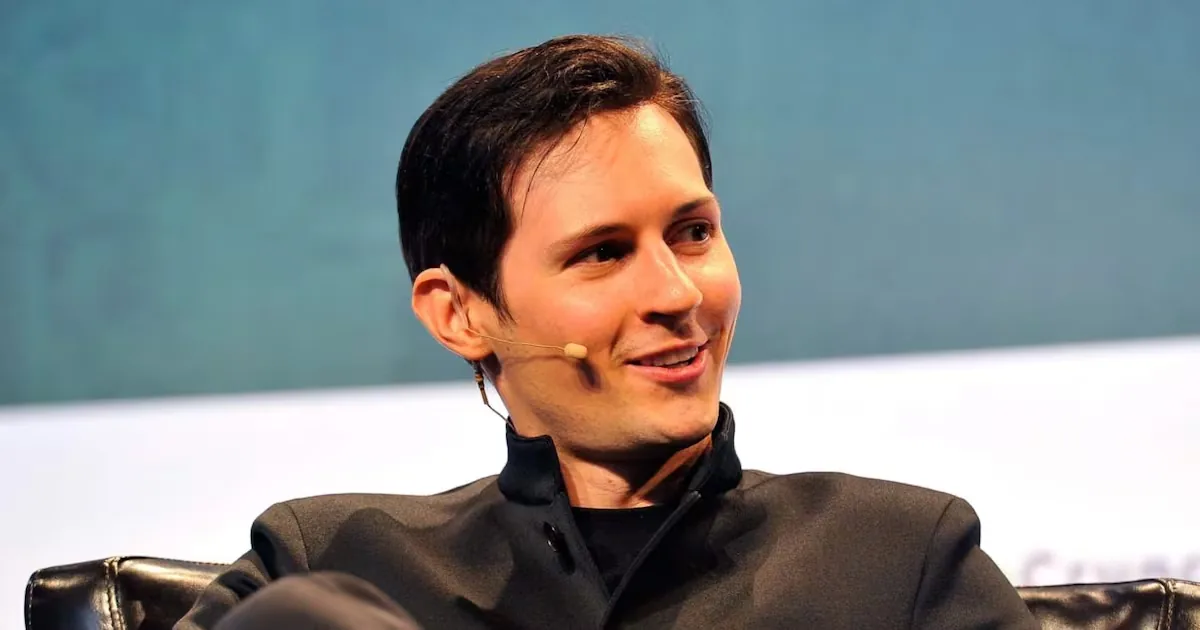
The FSB claims that Telegram allows the dissemination of content related to mass murders and cyber scams. Russia accuses its founder and director, Pavel Durov, of collaborating with terrorist activities for not removing channels and bots used to organize attacks and sabotage, and therefore requests his arrest. However, Moscow has not presented public evidence of Durov’s personal involvement.
Read more Culture Funds drastically reduce their amounts for 2027 and face modifications
Durov is also under investigation in France. There he was detained in 2024 for the lack of moderation of illegal content on his platform.
The Russian Investigative Committee links Pavel Durov to the case with DaiVinchik, a dating bot internationally known as Leo that Ukrainian secret services allegedly used to recruit Russian minors and convince them to set fire to facilities or attack infrastructures.
Since July 2025, 46 young people have been detained. The case can carry a life sentence. However, the Russian announcement does not necessarily mean that Interpol has issued a red notice, a search and arrest warrant.
The entrepreneur had already responded in February, when the procedure was made public. “Every day the authorities invent new pretexts to restrict Russians’ access to Telegram, while trying to suppress the right to privacy and freedom of expression. It is the sad spectacle of a state that is afraid of its own people,” he defended himself.
The offensive coincides with increasing Kremlin pressure on Telegram and the promotion of MAX, the state-supervised messaging app. Russia has slowed down the service, although Telegram remains essential for official propaganda, administrations, and Russian forces deployed in Ukraine. The platform has more than 1 billion users and is used by both sides of the war.
Durov already faced the FSB when he was leading VKontakte, the main Russian social network. In 2014 he refused to hand over data of Ukrainian activists linked to Maidan. Shortly after, he lost control of the company and left Russia. Between 2018 and 2020, Moscow tried to block Telegram because it did not hand over its encryption keys. The blockade failed.
French justice also accuses Durov of not controlling his platform. He was detained in August 2024 at Paris’s Le Bourget airport. Investigators are analyzing whether Telegram’s limited moderation and lack of cooperation facilitated crimes such as drug trafficking, fraud, money laundering, and the dissemination of material of sexual abuse of minors.
Durov paid a bail of five million euros and was placed under judicial control. France lifted the travel ban in November 2025, so he returned to reside in Dubai. The investigation continues and in July he was interrogated again in Paris.
The entrepreneur rejects the French accusations. He argues that the director of a platform cannot be held responsible for the crimes of some users. Now he is caught between two judicial systems: France reproaches him for Telegram moderating too little and Russia accuses him of not censoring enough.