






Violations of ceasefires have become commonplace in the Middle East, and some experts are already questioning their usefulness: in Lebanon, Gaza, and Iran, missiles continue to fall despite the fact that, on paper, the armed conflicts are under truce.
Read more Abortion for three grounds: the weight of conscientious objection
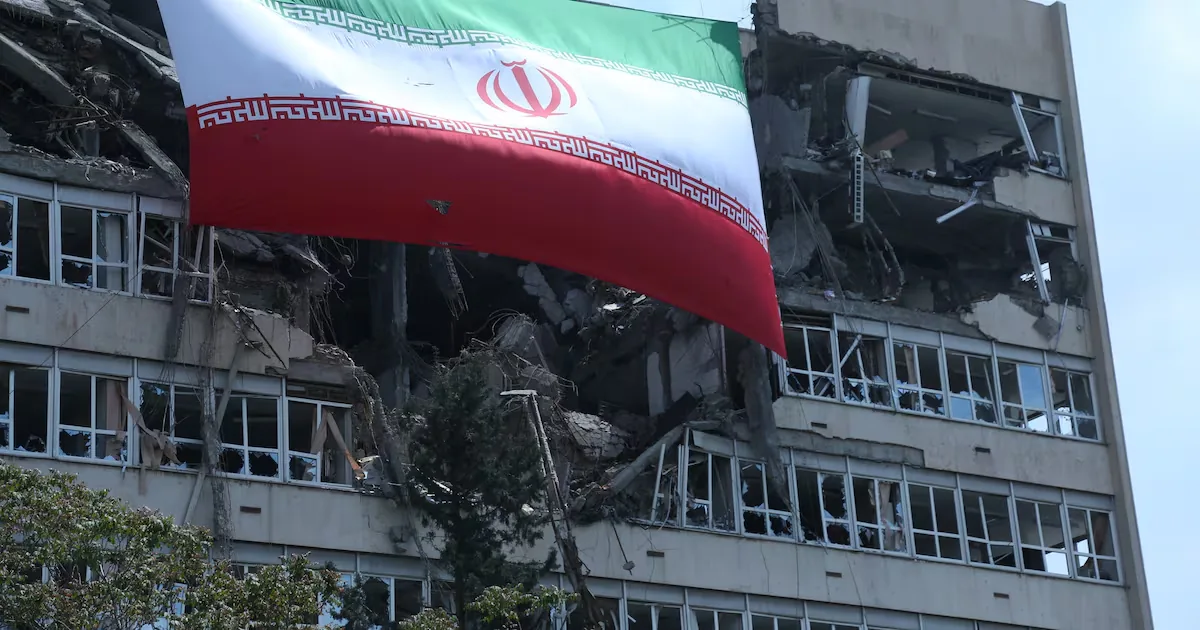
In practice, fighting persists on all fronts. In the Gaza Strip, Israel continues attacking Palestinian militants involved in the October 7, 2023 attacks and suppressing attempts to rebuild Hamas. In Lebanon, Israel and Hezbollah have clashed in intense fighting. In Iran, the United States and Tehran frequently exchange attacks, as happened on Tuesday night. The fighting is less intense than before, but persistent enough to keep the three scenarios in a precarious limbo between war and peace, notes The Wall Street Journal.
And amid all this, negotiations between the United States and Iran are progressing, and Donald Trump claims that the Islamic Republic promised not to develop a nuclear weapon.
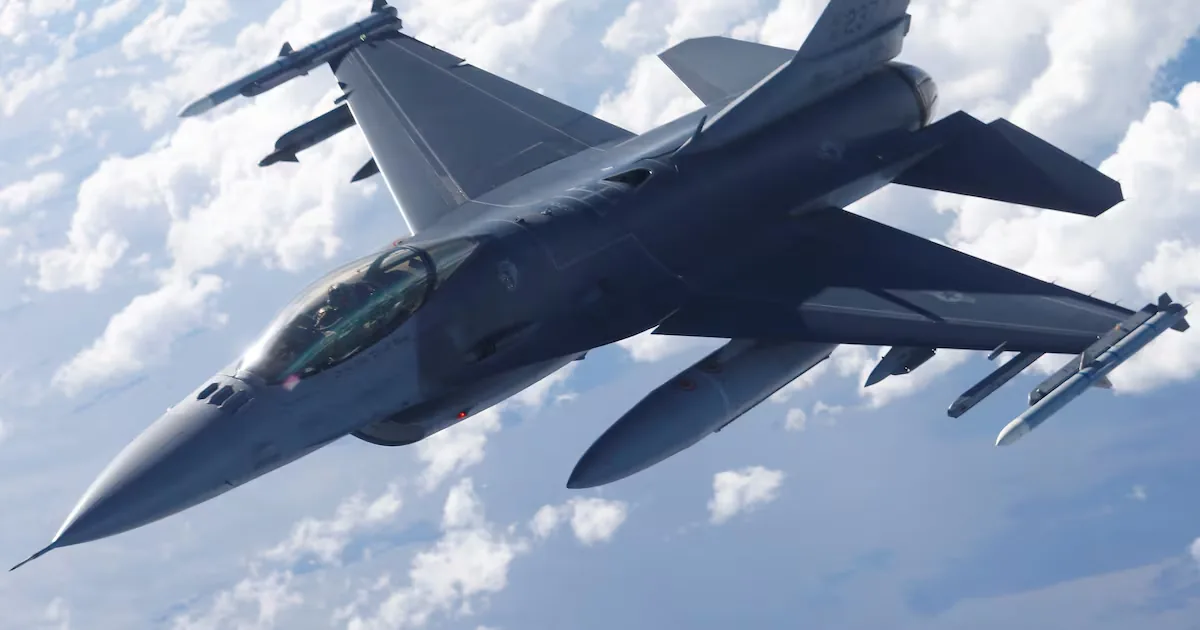
The repeated military incidents in the Strait of Hormuz and its surroundings have interrupted the two-month ceasefire between the United States and Iran. Both sides have exchanged drone and missile attacks, although each has described the actions as limited and defensive rather than a collapse of the truce.
Precisely on Tuesday, clashes continued into the night. Iran launched ballistic missiles against U.S. bases in Bahrain and Kuwait, while the United States attacked a military control station and fired on an empty tanker that, it claimed, was trying to break its blockade.
Despite the clashes, Washington and Tehran seem eager to avoid a return to the large-scale war they waged in March. For now, they are conducting negotiations aimed at ensuring maritime access through the strait and creating space for broader talks on sanctions and Iran’s nuclear program.
In this context, Donald Trump expressed his willingness to meet with Iran’s Supreme Leader, Ayatollah Mojtaba Khamenei, and negotiate directly with him. The president stated this Wednesday that Khamenei is involved in negotiations for an agreement to end the war, and that both “seem to get along quite well.”
“He is involved, without a doubt. Yes, I think they have a lot of respect for him,” he said about the Iranian Supreme Leader in an interview with the New York Post’s “Pod Force One” podcast.
This comes precisely in a week when Trump’s differences with Israeli Prime Minister Benjamin Netanyahu and his way of conducting the war—especially after his offensive against Hezbollah in Lebanon—seem to have destabilized the allies.
In fact, the White House occupant confirmed this Wednesday that he had a verbal confrontation with Netanyahu, whom he called “fucking crazy,” although he downplayed the clash after noting that the war in Lebanon must stop and insisting that he has had a good understanding with Israel in the framework of the offensive in Iran.
“Yes, I did. I wouldn’t say I was angry. I was a bit disturbed by his constant confrontation with Lebanon,” the Republican leader confirmed about his clash with Netanyahu in statements on conservative journalist Miranda Devine’s podcast.
Meanwhile, Trump stated on Wednesday that he would like to meet with Iran’s Supreme Leader. Mojtaba Khamenei, 56 years old, is believed to have been injured in the joint U.S.-Israeli attacks on February 28 that killed his father, Ali Khamenei, and has not been seen in public since he was named his successor.
“I would like to meet with him, and we probably will at some point, depending on how things develop,” the U.S. president said to “Pod Force One.”
U.S. Secretary of State Marco Rubio stated on Tuesday before a Congressional committee that Mojtaba Khamenei is alive and increasingly active. According to a Reuters report, during a podcast interview, Trump said: “They have already agreed that they will not have nuclear weapons,” when talking about the talks between the United States and Iran.
On the Lebanese front, despite the declared ceasefire, skirmishes continue. Clashes between Israel and Hezbollah have intensified despite the ceasefire that came into effect in mid-April, just over a week after the truce between the United States and Israel and Iran. The Lebanese militia has intensified its attacks against Israeli military positions and communities in northern Israel using explosive drones, while the Israel Defense Forces (IDF) have responded with expanded military operations and airstrikes.
The latest round of fighting began after Hezbollah launched attacks in support of Iran. More than 3,500 people have died in Lebanon since early March, according to the Lebanese Emergency Operations Center, part of the Ministry of Public Health, and more than a million have been displaced. Israeli forces are also creating a “buffer zone” along the border, increasing pressure on the fragile Lebanese government and complicating regional diplomacy overall, notes The Wall Street Journal.
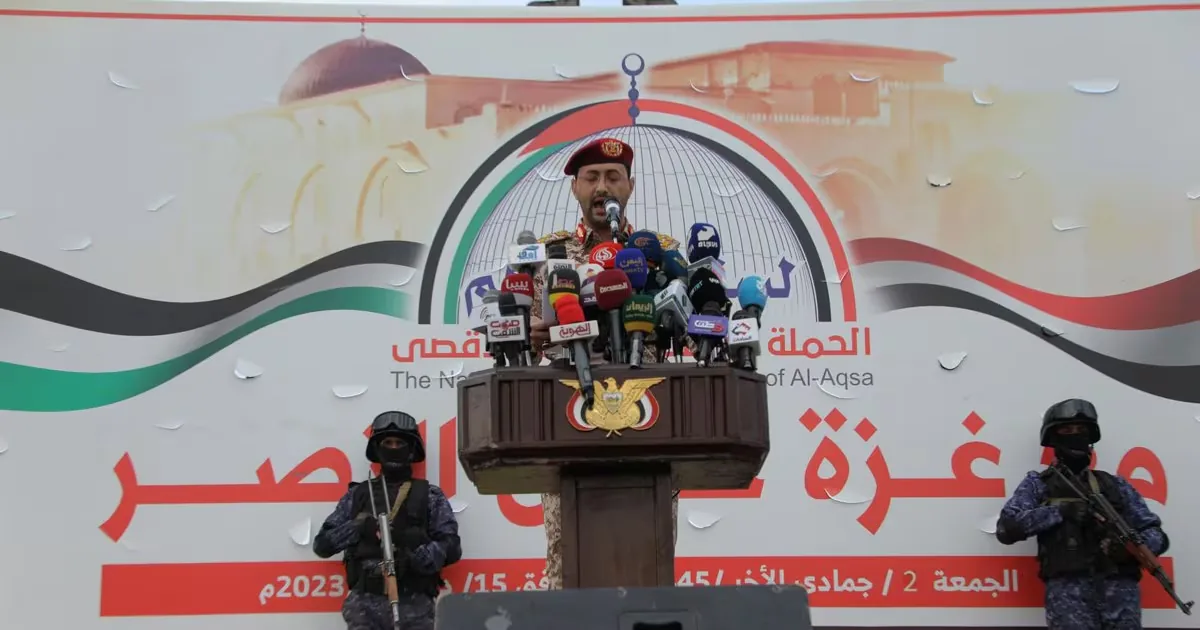
In Gaza, meanwhile, Israel continues attacking Hamas targets despite the ceasefire in place for eight months. Last week, it killed the military chief of the Islamic group, Mohammed Odeh, less than two weeks after killing his predecessor.
The Palestinian Ministry of Health reported on May 31 that since the ceasefire took effect on October 10, there have been 930 deaths and 2,819 injuries in the enclave. Since October 7, 2023, the death toll has risen to 72,939.
Meanwhile, the humanitarian crisis in Gaza remains severe: much of the population depends on humanitarian aid and lacks adequate shelter and sanitation. Israel has also expanded its control over parts of the enclave, moving further into territory previously controlled by Hamas.
At the end of May, Netanyahu announced that he had ordered the Israel Defense Forces to increase their control over Gaza to 70% of the territory. This Tuesday, U.S. Secretary of State Marco Rubio criticized the measure, stating that it is not part of President Trump’s 20-point plan to end the conflict between Israel and Hamas. “We have a plan, and it does not include that,” Rubio said. “Ultimately, we understand that what we want, and I think what the Israelis would ultimately want, is a Gaza governed by an entity other than Hamas,” he noted.
Regarding the fragile situation in the region, The Economist compiled statistics and counted 12,333 “violent incidents” occurring over a 60-day period surrounding nine ceasefires reached in the Middle East and neighboring countries after 2020. While the armistices reduced fighting, none resulted in a total cessation of violence. On average, deadly incidents decrease by 81% in the 30 days following the start of a ceasefire compared to the 30 days prior.
The armistice between Armenia and Azerbaijan in 2020, followed only by sporadic violence, was the most successful of the nine. This, despite a brief return to fighting in 2023. In contrast, the temporary truces between Israel and Hamas at the end of 2023 and from January to March 2025 saw fighting quickly return to pre-ceasefire levels once they ended, the publication notes.
Most ceasefires fell somewhere in between these two extremes. In these cases, violence decreased immediately after a truce took effect but never reached zero. In some cases, that lower level was maintained; in others, violence gradually escalated to levels close to those before the hostilities ceased.