






Once again, the United States has gotten itself into a quagmire: a war that President Donald Trump does not know how to end and the Iranian regime does not want to conclude. As the conflict enters its seventh month, the White House seems to be preparing for options as diverse as extending the military deployment to officially declaring the end of hostilities.
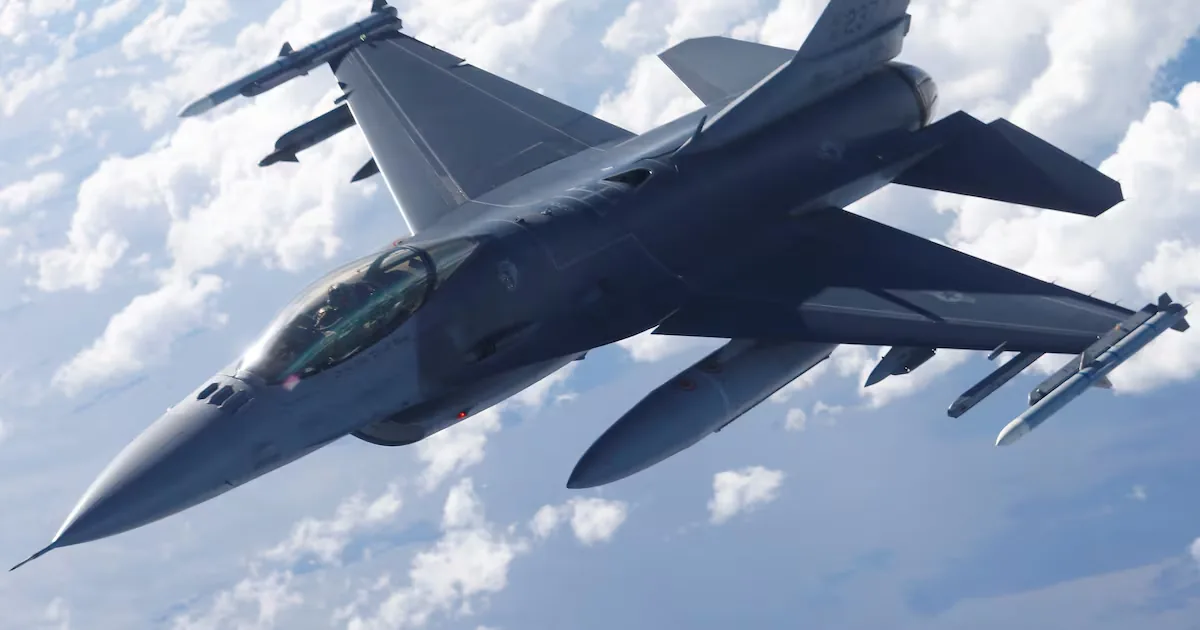
The Wall Street Journal reported last week that U.S. Secretary of Defense Pete Hegseth was “quietly extending the troop deployment” until 2027, which was interpreted as a sign that the conflict could last well into next year. “Trump has told his aides privately that he believes his strategy will eventually work, as 50,000 soldiers remain available to give him options,” the newspaper highlighted. This deployment is joined by 19 warships, fighter squadrons, air defense units, and paratroopers.
But the Journal also reported that, at the same time, Trump had been in talks with senior advisers about whether to officially declare the end of the war, and officials allegedly indicated that the president “favors the idea.” The Republican leader believes that sustained economic pressure could eventually force Tehran to dismantle its nuclear program or lead to the regime’s collapse.
“I like our position much more now, with almost total control of the Strait of Hormuz and its economy totally collapsing,” Trump wrote on social media.
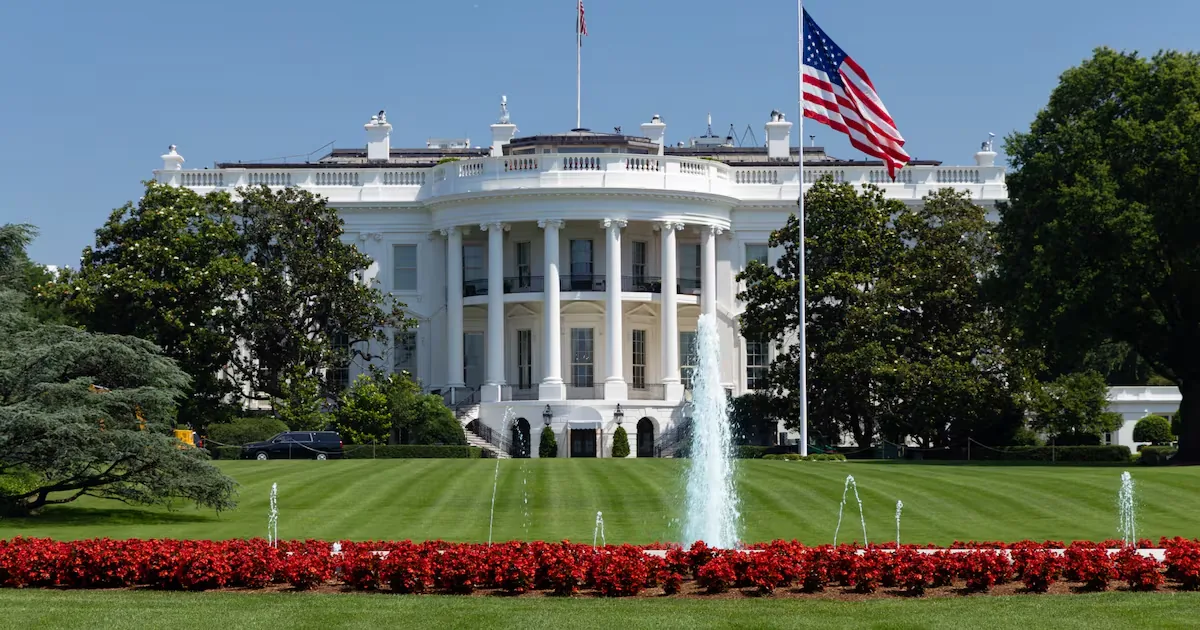
The political calendar is also shaping the debate at the White House. Reuters reported that Trump’s top advisers are pushing to prevent the war with Iran from escalating before the November midterm elections, fearing that a broader conflict could harm Republican chances. A White House official told the agency: “We maintain pressure on Iran. But November is a priority.” However, Trump has maintained that electoral considerations do not guide his military decisions.
Amid this debate, Leon Panetta, former Secretary of Defense during Democratic President Barack Obama’s administration, warned that Trump’s war with Iran is likely to last another six months as the president struggles to find a way out of the controversial conflict.
Panetta stated in an interview with the British newspaper The Guardian that the war with Iran risks becoming another “endless war in the Middle East,” with no clear end in sight.
“It is no mystery that the United States and Iran are stuck in a terrible stalemate, where there are really very few options available to end this war,” said Panetta, who was also CIA director during the Obama administration, suggesting that the conflict is on track to become “another failed war” in the Middle East “like Iraq and Afghanistan.”
“I think it is most likely that this war will continue for another six months unresolved,” he added.
Panetta spoke to The Guardian days after U.S. Army Secretary Dan Driscoll abruptly resigned, leaving in the middle of the conflict, following reports of tensions with Pete Hegseth over a series of dismissals.
The U.S. military “is going to war at a time when there is tremendous confusion in the Pentagon, in the command structure, which really creates a feeling that no one is in charge,” added Panetta, who was Secretary of Defense from 2011 to 2013. “And I just think that, whether it’s Iran or our adversaries, they are now looking at the United States and see weakness in terms of our ability to really implement our military capability to defend our country.”
And he added: “My biggest concern right now is that we live in a very dangerous world, with the main threats coming from China, Russia, North Korea, and terrorism, and yes, also from Iran. But what worries me is that we are sending a message of weakness to our main adversaries.”
Read more “Mexico is not and will not be a colony.” Sheinbaum responds to Trump over map post
But in a statement to The Guardian, the Pentagon insisted it was “operating at its full potential” under Hegseth’s leadership. “The premise that the Department is in disarray is completely unfounded and is an insult to every dedicated professional and combatant in this building who comes to work every day to defend this nation,” said Pentagon chief spokesperson Sean Parnell.
Trump now has three options, according to Panetta. The first would be to step back and “admit that it is a failed war,” something the former Pentagon chief finds hard to believe Trump will do.
The second would be to prolong the current “stalemate, with periodic tit-for-tat attacks,” and both sides trying “to avoid the start of a more dangerous war” while refusing to negotiate or surrender. Panetta believes that approach would produce “what all parties feared”: another prolonged war in the Middle East.
The third option, he said, would be for the United States to take control of the Strait of Hormuz and eliminate Iran’s “most dangerous point of influence” over the United States, “which is the ability… to close and disrupt” the global trade bottleneck, through which approximately one-fifth of the world’s consumed oil passes.
When asked if he believed the war was “winnable” for the United States, Panetta replied: “It can only be won if there is a dramatic change in the United States’ attitude that makes clear that the goal, the main goal of the United States right now, is to reopen the Strait of Hormuz.”
Earlier last week, JD Vance told reporters he would not describe the current military conflict with Iran as a “war.” And when asked if he expected the conflict to be over by the U.S. midterm elections in November, the vice president responded: “I think the reality is I don’t know the answer to that question. You’d have to ask the Iranians.”
In March, just three weeks after the United States and Israel launched their military operation in Iran, Panetta told The Guardian that he believed Trump was caught “between a rock and a hard place” as he weighed whether to expand the war in an attempt to eliminate Iran’s influence over the Strait of Hormuz, or “simply step back and declare victory,” despite the risk of perceived failure.
At the end of July, in an interview with CNN, Panetta warned that the United States was “stuck in a war impossible to win” with Iran, arguing that the conflict risks becoming another prolonged military engagement with no clear end.
“I think we are stuck in a war impossible to win that will continue as other wars have without any satisfactory conclusion,” he said in the television interview.
“That is the kind of legacy, frankly, that the United States continues to leave in the 21st century. Whether Iraq, Afghanistan, or Iran, we find ourselves in wars impossible to win that ultimately consume the United States, damage our economy, and, I think most importantly, make us look weak to the rest of the world,” Panetta added.
Read more 64% of Germans are «concerned» about AfD’s victory in Saxony-Anhalt