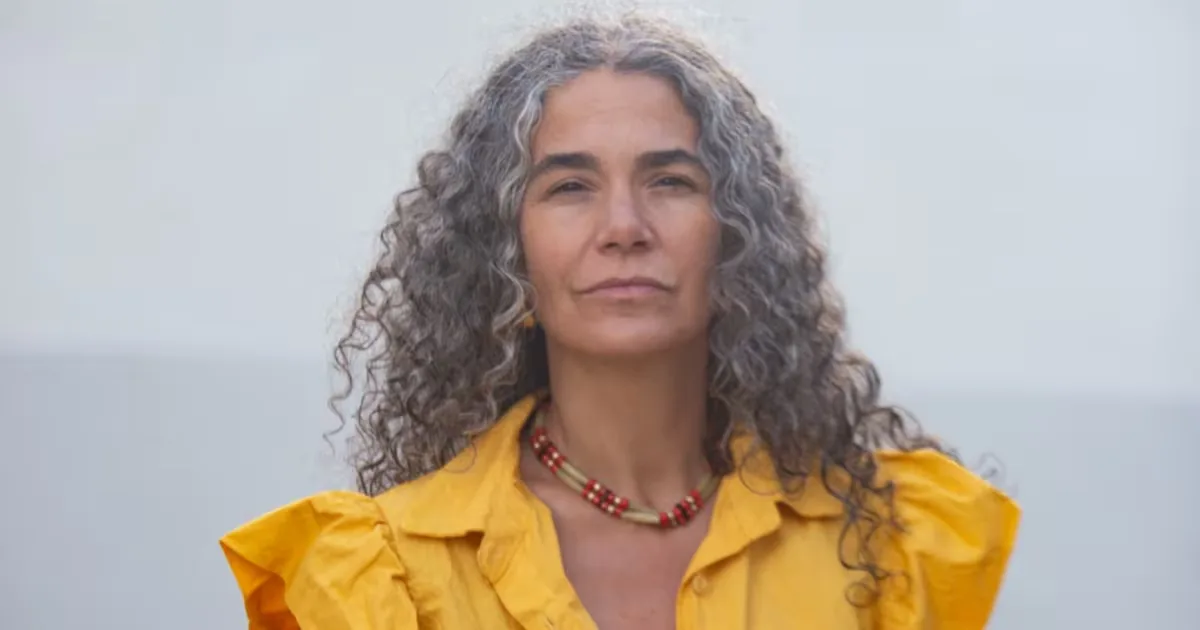










At 33 years old I understood that living with a diagnosis that no one seeks, whatever it may be, questions the deepest part of our being. It is a process of permanent revelation, a physical rebellion and, without a doubt, a challenge for mental health. But, after understanding it, what comes next? There are no parameters to define the what, the how, or the when. Each one finds her own way to inhabit that new reality and to learn to manage her emotions.
In more than three years working with women living with premature ovarian insufficiency I have read and heard many stories. Although that does not make me an expert in their experiences, I can affirm one thing: depending on the day, we are or we are not our diagnosis. At times even mental health loses prominence in front of the longest work of our life: learning to live with ourselves.
According to the Spanish Association for the Study of Menopause (AEEM), women with premature ovarian insufficiency — a condition that affects between 2 and 3.7% of the population — have a 3.33 times higher risk of suffering depression than fertile women. They also have a 4.89 times higher risk of developing anxiety disorders. The decrease in estrogen alters the synthesis and metabolism of neurotransmitters such as serotonin, while uncertainty, hormonal changes, and the social stigma associated with early menopause also influence that emotional impact.
Once we know the diagnosis, many pieces begin to fit. Those changes in the body, energy, or mood that we had been dragging for so long now have a name. And, on that basis, a certain release also appears. However, another challenge begins: dealing with the reactions of those around us, learning to manage our quality of life with the available tools, and facing the emotional crossroads that often accompanies a chronic diagnosis.
In Chile we have made progress in talking about mental health, but it is still necessary to incorporate the reality of those living with chronic illnesses. At Fundación Respuestas we believe that if a person needs pharmacological treatment, they should access it without guilt or shame. We must leave behind the idea of “the pill crazy woman.” If we want to address mental health seriously, we must also normalize that sometimes part of the treatment consists of seeing a psychiatrist. That does not make you more or less. It makes you a person consistent with what you want for your life: peace of mind.
Ximena Pereira Garrido is a clinical psychologist at Ceapsi. Here she briefly answers what happens after naming a disease and why grief, guilt, or uncertainty can be part of that process.
—What happens emotionally when a person receives a diagnosis like this?
The emotional reaction can be very varied, but in most cases an initial shock or commotion is expected, along with feelings of sadness, anger, guilt, frustration, and anxiety. POI implies profound consequences on women’s physical and reproductive health, and accepting this condition requires time and a grieving process. Identity challenges related to youth or femininity may also appear.
On the other hand, finding the origin of different symptoms and manifestations of POI can also mean relief. Being able to identify a cause for multiple symptoms for which no answer was previously found allows starting a treatment that can represent significant improvement.
—Is it possible to talk about grief after receiving a diagnosis?
Certainly. A condition like POI implies grief, although what each woman experiences as the most important loss varies in each case. It is common, for example, to feel that certain freedom or spontaneity is lost, that possibility of living more carefree, because the unavoidable responsibility of following a treatment, changing habits if necessary, and monitoring health more closely appears.
Some women may even feel that they age prematurely. This, added to the consequences that POI can have on fertility, can generate questions about one’s own femininity and vitality, especially in a society that still highly values youth and motherhood as attributes of the feminine.
As in any grief, being accompanied by others, sharing the experience, and being able to reflect on it, whether with a support network or professional help, is very relevant to favor this process.
—Why can guilt appear in the face of an illness, even when we rationally know we did nothing to cause it?
Read more Moria: how the Netflix series about Moria Casán became the most excessive of the moment
It is part of our emotional repertoire to try to anticipate danger and prevent harm. Therefore, in the face of adverse events, a certain illusion of control may arise and, with it, guilt or questions about what could have been done differently.
Part of the processing involves refocusing on the present: adhering to a treatment that reduces health risks associated with this condition and projecting self-care into the future. It also involves thinking about how to address needs for transcendence and projection beyond motherhood.
—Uncertainty about the future is often one of the great anxieties after a diagnosis. How do you learn to live with questions that often have no immediate answer?
A diagnosis like POI opens very particular questions. A woman may wonder if she will be able to adhere to the treatment, if she can take care of herself enough, who she will share this health information with, or, if she wants to be a mother, whether she will resort to fertility treatments or adoption.
It is an endless number of questions that require spaces of safety and trust to reflect on them, as well as time and flexibility to understand that answers can also be provisional. The important thing is to give those questions a place and not silence either grief or uncertainty. Talking with relevant people in our lives or with the professionals who accompany us can make a big difference.
—When do sadness, anxiety, or distress form part of an expected adaptation process and when are they a sign that psychological or psychiatric help is necessary?
When mood changes, anxiety, or sleep and concentration disturbances persist over time, affect daily life, and do not subside in the face of positive environmental situations, it may be advisable to consult a mental health professional.
However, it is not necessary to wait until daily life is affected to ask for help. A person can also decide to consult simply because they need to connect with their experience regarding the diagnosis and do so in a protected space.
Also, knowing and sharing the experience of other women who have lived with the same diagnosis can be very relevant to accept this condition and integrate it into one’s own life.
The Eighth Report on Sexual and Reproductive Rights in Chile, prepared by Miles Chile with the support of IPAS, addressed Premature Ovarian Insufficiency (POI) for the first time as a little-visible health condition that affects the sexual and reproductive health of women and adolescents. It analyzes the difficulties for its diagnosis and treatment, as well as the absence of public policies and specific guarantees for those living with this condition.
Read more The race for the 2026 National History Award: who are the candidates competing for the prize
Some of its conclusions were: