






As the nearly six-month war between the United States and Iran stalls, President Donald Trump intends to unleash an unprecedented “economic war” to corner Tehran, which remains firm and mocks a “failed policy.”
Read more The Chilean group Astro returns ten years after their separation with a show at the Teatro Coliseo
In an extensive message on his Truth Social network, Trump announced “THE MOST CRUSHING ECONOMIC OPERATION EVER UNDERTAKEN AGAINST ANY COUNTRY!”, demanding an end to “oil smuggling, currency exchange” and “cash transfers,” without mentioning any country or giving details.
“I announce that ANY country that allows its financial institutions, companies, airports, or government entities to provide any kind of lifeline to Iran will in turn face TREMENDOUS economic consequences,” he added. “This is going to be an economic D-day,” he said.
U.S. Treasury Secretary Scott Bessent had already threatened Iran last week with economic isolation “like the world has never seen.”
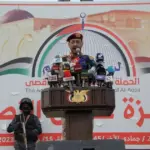
For the Foreign Minister of the Islamic Republic, Abbas Araghchi, the plan announced by Trump on Wednesday aims to “distract from the United States’ own crisis.”
“Doubling down on a failed policy will bring a new defeat and the enmity of the Iranians,” insisted the Foreign Minister this Thursday on the social network X.
Trump has maintained a policy of “maximum pressure” against Iran, consisting of imposing economic sanctions during his first term and reinstating them once he returned to the White House in January 2025.
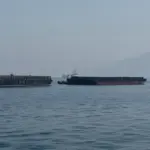
But Iran, for now, has not yielded. Tehran is even blocking the Strait of Hormuz, a key maritime route in the Middle East through which a fifth of the world’s hydrocarbons passed before the war.
Iranian officials openly mention the possibility of carrying out offensive operations on that route, which has become a strategic lever against Washington.
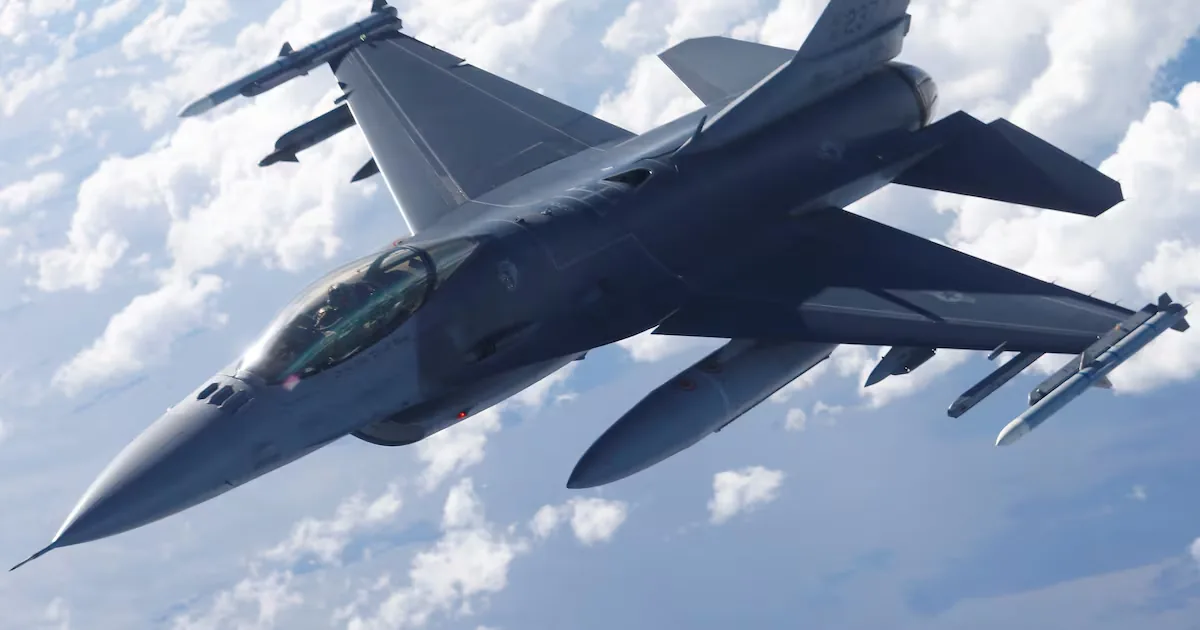
And not only that. According to sources close to the regime, Iran has considered the possibility of attacking U.S. military targets in Europe if Donald Trump intensifies the war, while Tehran evaluates its options to increase the conflict’s tension.
Two internal regime sources told the Financial Times that Iranian forces have evaluated the possibility of attacking U.S. targets in southeastern European countries, such as Bulgaria, which last month authorized the use of its Bezmer airbase for refueling U.S. aircraft.
One of the sources added that Cyprus, where a British airbase was attacked by a drone in March, is also among the possible retaliation targets in case of a new U.S. offensive.
The sources indicated that Iranian forces have also analyzed the possibility of attacking submarine fiber optic cables in the Strait of Hormuz in case of an escalation of the conflict.
According to the British newspaper, the threats reflect the defiant spirit prevailing in Tehran, where many within the regime increasingly see the resumption of the war as a matter of when, not if it will happen.
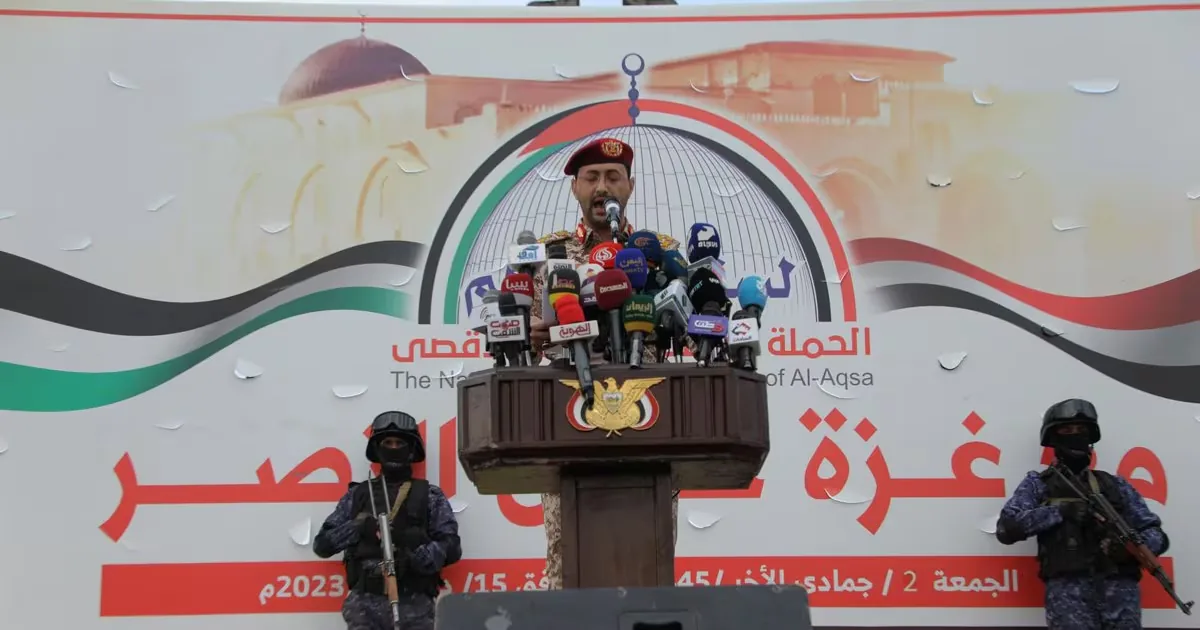
The Islamic Revolutionary Guard Corps and other military commanders have warned that in any new large-scale conflict, Iran would go beyond its previous strategy of attacking U.S. military assets, energy facilities, and other infrastructure in the Middle East, to attack more distant targets, the Financial Times recalled.
Last month, the Revolutionary Guard threatened the United Kingdom over the U.S. use of British military bases, stating that “any base used to launch an attack against Iranian territory will be considered a legitimate target.”
Read more Trump intends to open U.S. national forests to road construction, drilling, and logging
Sidharth Kaushal, a researcher at the Royal United Services Institute (RUSI) in London, described the threat posed by Iranian missiles to targets in Europe and elsewhere as “real, but limited.”
Iran could deploy medium-range ballistic missiles against U.S. targets in southern and southeastern Europe, such as its Shahab series, but Kaushal said these would have difficulty causing damage at greater distances.
Iran has demonstrated its willingness to attack distant targets. In the weeks following the start of the war between the United States and Israel in February, Washington accused Tehran of firing several missiles—none of which hit their target—against Diego Garcia, a joint U.S.-British military base in the Indian Ocean, about 4,000 km away.
According to internal sources, last month’s Iranian attack on the U.S. base in Jordan, in which three U.S. soldiers died, was the most precise long-range operation the Islamic Republic has carried out and demonstrated its ability to reach targets at great distances.
“This was also a message to Europe: it can receive missiles, so it must know its position in this war,” said the first source. “A very serious mistake, such as attacking our infrastructure, could cause the war to spread beyond the region and reach Europe.”
But NATO said this Thursday that it is “prepared” to respond to a possible Iranian attack and remains committed to defending all allied countries.
“NATO is prepared to address any threat and will always do what is necessary to defend all allies,” an Atlantic Alliance official told EFE.
On the part of the European Commission, spokesperson Anitta Hipper indicated that Brussels wants “to call for moderation from all parties and also to renew diplomatic efforts.” In that context, she added that from the EU’s perspective, “only diplomacy can provide a sustainable solution to all outstanding issues.”
According to the Financial Times report, the recent rise of hardline figures to high military and security positions in Iran has intensified internal expectations in Tehran of a new conflict.
Referring to Mohammad Bagher Ghalibaf, Tehran’s chief negotiator, and Mohsen Rezaei, Iran’s security chief, the second internal source stated that Iran “is sending a clear message: if no agreement is reached with Ghalibaf, negotiations will have to be held with Rezaei.”
“The message is: ‘Don’t be angry, because I am angrier than you,’” he added.
Meanwhile, negotiations for the reopening of the Strait of Hormuz remain stalled, and Trump declared that no talks were scheduled with Tehran.
Prior to the announcement of the “economic war,” Trump had opined that “maybe at some point” Washington and Tehran could resume negotiations to end the war, although he pointed out that the current situation in the Strait of Hormuz “is very good” and that many tankers are passing through without problems.
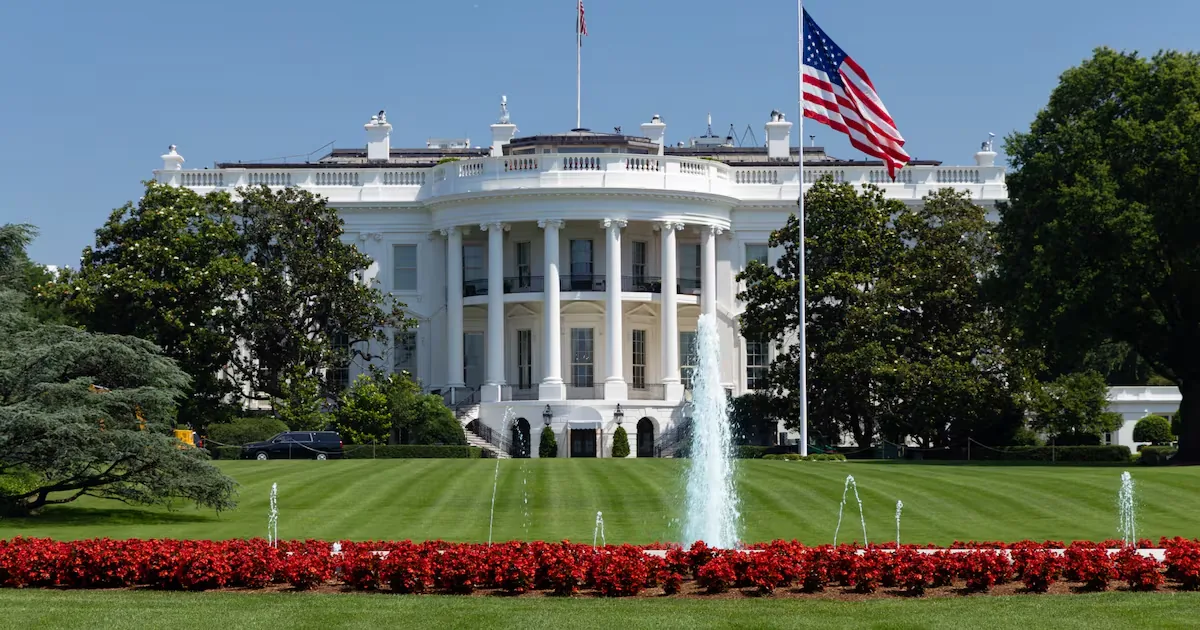
“Maybe at some point, although right now I think the situation (in Hormuz) is very good. But yes, maybe at some point,” Trump responded at the White House when asked about the status of talks after the bilateral ceasefire signed in June expired this past Monday.
Read more Premature Ovarian Insufficiency: Mental health after a diagnosis