







The story seems taken from a True Crime series: a former British minister – with controversial views – is found dead in her home, in the rural area of Haytor, in southern England, with “serious injuries” and her death is being investigated by the counter-terrorism police.
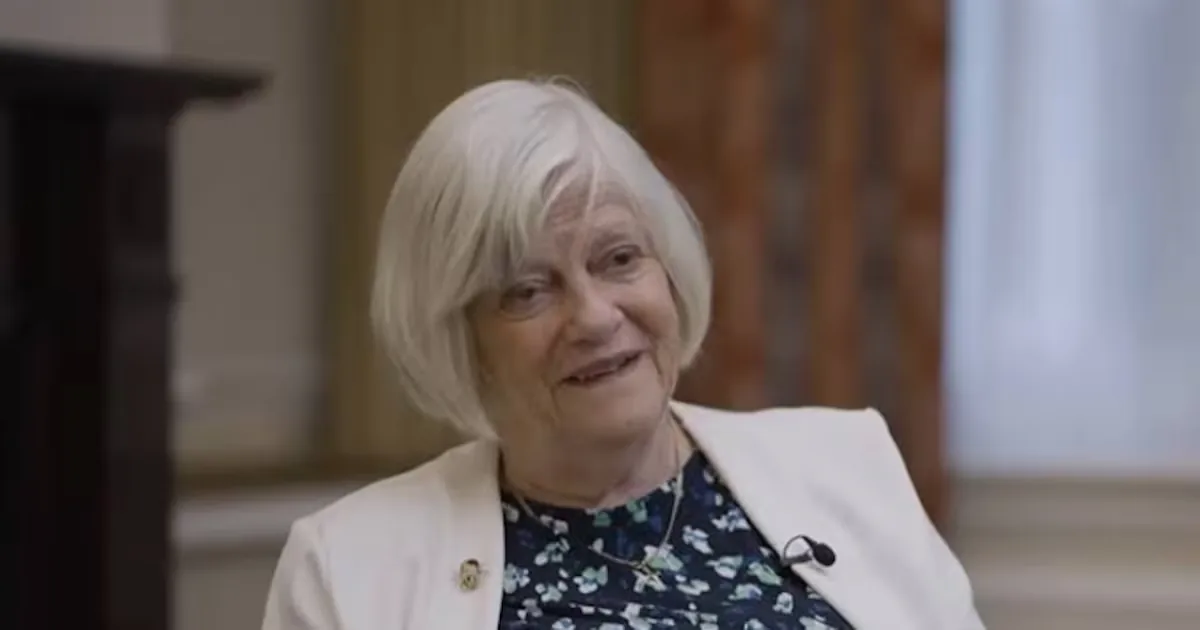
It is about Ann Widdecombe, a former conservative minister, known for having switched to the far-right party, Reform UK, who died at 78 years old and whose circumstances of death have raised questions. To the point that the Home Secretary, Shabana Mahmood, declared that, as a result of “new information and evidence,” the specialized counter-terrorism agents are “now leading the investigation into the horrific murder.”
In a message posted on social media, Mahmood stated that the police were “following multiple lines of inquiry to determine the motivation for this attack” and that her thoughts remain with Widdecombe’s family and friends, a British politician with a long career.
A prominent figure of the British political right for decades and a fervent defender of Brexit from its beginnings, she had direct opinions and a pragmatic attitude. She enrolled in the dance program Strictly Come Dancing in 2010, shortly after leaving Parliament, after having represented the Maidstone constituency, in Kent, for more than 20 years.
The counter-terrorism unit of southeast England stated in a communiqué that a 28-year-old white British man, originally from Rotherham, in South Yorkshire, who was arrested on Saturday on suspicion of murder, has been detained again “on suspicion of committing, preparing, or instigating acts of terrorism.”
This represents a significant change, as the Devon and Cornwall police declared to the press on Friday that Widdecombe’s death was not being treated as a terrorism case. At that time, the police also stated they had no information suggesting a political motive, statements that were reiterated over the weekend.
In recent days, several of her supporters have questioned the police version of the investigation, especially after it became known that the arrested man apparently drove about 270 kilometers from Rotherham to Widdecombe’s house.
Richard Tice, deputy leader of the Reform UK party, stated that those who criticized his party’s skepticism regarding the police version “must apologize now,” after the counter-terrorism police took over the investigation. In 2023, Widdecombe joined Reform UK, successor to the Brexit Party, as the party’s immigration and justice spokesperson.
Widdecombe is believed to have been murdered shortly after noon last Wednesday. She participated virtually in a political debate program after 8 a.m., but did not show up for a similar appointment that same afternoon with Channel 5, after allegedly contacting a member of the channel’s production team to confirm her appearance shortly after noon.
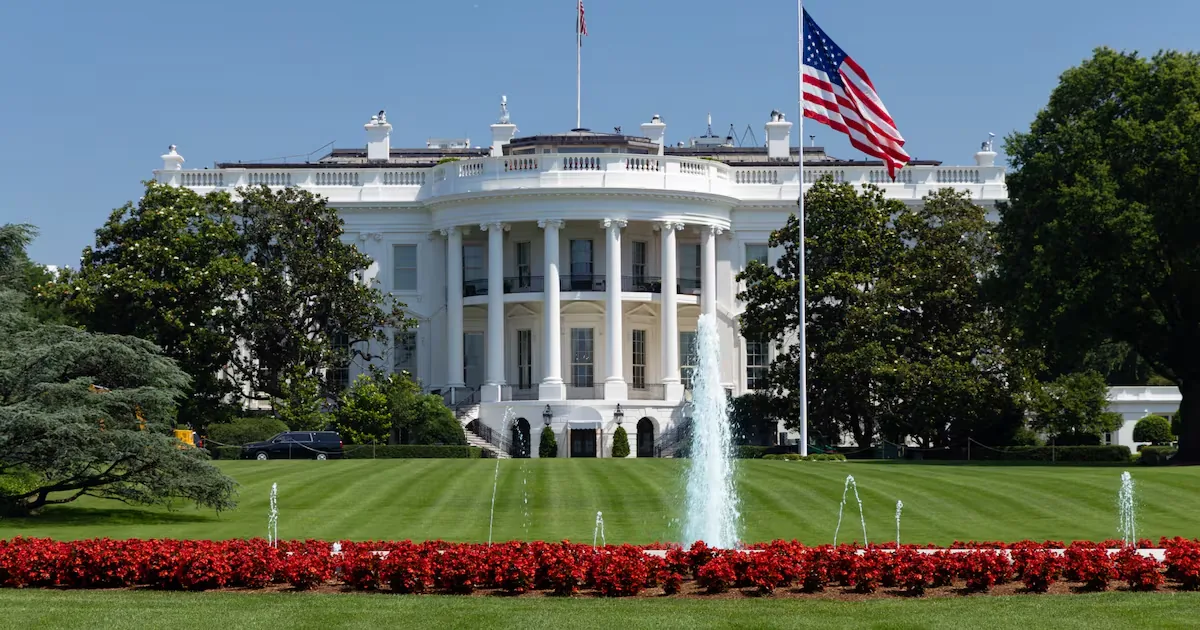
The police and paramedics found her body early the next day in her home, in the small village of Haytor, on the edge of Dartmoor National Park. The residence is located in Devon county, which, with a population of over 1.25 million inhabitants, usually records fewer than 15 homicides per year.
The police stated she had suffered “serious injuries,” but did not detail the alleged cause of death nor whether a weapon was used.
The possibility that the murder of a British political figure is being investigated by senior counter-terrorism officials for the third time in a decade will likely raise difficult questions about the security of parliamentarians, reported CBC.
The shock and grief over Widdecombe’s murder transcended party divisions late last week. But as days passed, the debate also includes the issue of security, given recent history.
Precisely this year, an independent investigation was announced into the authorities’ failures to locate, and possibly deport, the man who murdered Conservative MP Sir David Amess in October 2021. The perpetrator was an Islamic State sympathizer who years earlier had been flagged by intelligence services for possible radicalization. Amess, 69, was stabbed 21 times in a church while meeting with his constituents.
Jo Cox, a Labour MP for just over a year, was murdered upon arriving at a meeting with her constituents in June 2016, while a 77-year-old man was injured trying to intervene. Witnesses at the trial testified that the attacker, an unemployed gardener, shouted “First Britain!” during the attack.
Cox, a 41-year-old woman and mother of two young children, was stabbed 15 times and shot in the head and chest with a .22 caliber hunting rifle that had been reported stolen about a year earlier.
The killers of Amess and Cox are serving life sentences. Mahmood referred to the deaths of Cox and Amess when addressing Parliament on Monday to report on the latest developments in the investigation. “Politics is a vocation for those of us here and should not be dangerous. Therefore, it is the responsibility of the House (of Commons) and the government to work together to protect those who choose to serve,” she said.
Widdecombe was born in Bath, Somerset, in 1947 and studied Latin at the University of Birmingham, and later philosophy, politics, and economics at the University of Oxford, before being elected councillor of the Runnymede district.
Read more French Foreign Minister joins the criticism of Rajoy: «It is stupidity, racism, or both»
Widdecombe was a member of the Conservative Christian Fellowship and held firm socially conservative positions, opposing abortion, euthanasia, and gay rights, and supporting the reintroduction of the death penalty.
She was very critical of Conservative Prime Minister David Cameron’s decision to legalize same-sex marriage and, in 2019, sparked an angry reaction after suggesting that science might one day “produce an answer” to homosexuality.
First elected MP in 1987, she often endured cruel comments about her appearance, and even a newspaper called her “Doris Karloff,” referring to the former Hollywood horror movie star Boris Karloff, the BBC reported.
“I am a woman with prominent teeth, chubby, ugly, overweight, a spinster… what the hell!” she replied.
She also did not hesitate to criticize her Conservative colleagues, even describing House of Lords member Michael Howard as someone who had “something of the night.”
Despite being one of the few female parliamentarians in the 1980s, she had little sympathy for feminists, whom she described as “whiners.”
Reflecting on her political career in 2016, she said: “I never went looking for trouble, so I never found it. The only problem I found as an MP was the lack of toilets.”
A great animal lover, she was also one of the few Conservative MPs who opposed fox hunting. She even created a section on her website, Widdyweb, dedicated to the domestic cats she has lived with, to adopting goats, and to becoming the godmother of a donkey sanctuary.
In 2007, she wrote that she did not want to downplay the problem of climate change, but was skeptical of claims that specific actions would prevent catastrophe. In 2008, Widdecombe stated that “climate change science is subject to strong controversy” and, in 2009, that “there is no climate change, has no one looked out the window lately?” She was one of five MPs who voted against the Climate Change Act of 2008.
Three years after becoming an MP, she reached government as Deputy Minister of Social Security and was later promoted to the Employment portfolio.
In 1995, she was promoted to Minister of Prisons, where she became embroiled in controversy after defending the policy of chaining pregnant prisoners to prevent escape.
After the Labour landslide victory in 1997, she worked under William Hague as shadow Health Secretary between 1998 and 1999, and as shadow Home Secretary between 1999 and 2001.
According to the BBC, when she retired from politics in 2010, she felt disappointed for not having received an offer from David Cameron to take a seat in the House of Lords.
Widdecombe continued writing, publishing four fiction novels and an autobiography, and appeared on numerous radio and television programs, even as a guest host of the news quiz Have I Got News for You.
In 2013, she was decorated by Pope Benedict XVI with the title of Dame of the Order of St. Gregory, for her services to politics and public life, particularly for her opposition to abortion and euthanasia.
She converted to Catholicism in 1993 after leaving the Church of England. About her decision, she told The Times: “Having a church that calls sin by its name and no longer downplays it is a great relief.” In statements to New Statesman, she added: “Women’s ordination was the last straw, but it was just one of many. For years I had been disappointed by the Church of England’s concessions on everything. The Catholic Church doesn’t care if something is unpopular.”
Read more The legacy of Ignacia