




When Behnam, an unemployed musician from Tehran, calls his family or friends to check on them, he never starts by talking about the war.
“The first question we ask each other is ‘have you eaten?’”, he tells The New York Times. At 38, he sums up the magnitude of Iran’s deterioration in one sentence: “Honestly, we have reached a point where we only think about surviving.”
A terribly familiar rhythm of war has returned for Iranians: bombed roads, the value of their currency – the Iranian rial – in free fall, threatening messages from Donald Trump on social media, and the punitive rhetoric of the country’s religious leaders. Against this backdrop, daily life has been reduced to mere subsistence.
Like all Iranians interviewed, Behnam asks that his last name not be published, for fear of reprisals from the ayatollahs’ government.
His testimony, along with that of other citizens, was originally collected by The New York Times, which gained access to a country where planning for the future “seems an absurd luxury.” Iranians, impoverished by the constant crisis, buy rice by the cup. They replace fruits and vegetables with cheaper vitamin supplements, while the United States and Iran exchange attacks against military installations, ports, and desalination plants throughout the region.
For over a year, Iranians have been trapped in a constant cycle of airstrikes, internal repression, and economic devastation. A brief ceasefire reached last month with Washington gave them a respite from the bombings, though not from a decaying economy.
The collapse of that agreement in recent weeks plunged the country back into war, and many feel their lives are on hold or no longer belong to them.
“I no longer have control over my life,” Behnam tells the American newspaper. “Our destiny is in the hands of those who do not think about ordinary people,” he adds.
The cycle of crisis dates back to the so-called “Twelve-Day War” against the United States and Israel, which devastated the country last June.
After those clashes, the government imposed a months-long internet blockade, citing national security reasons, which further plunged an already weakened economy. Then, an inflationary crisis that began last December triggered anti-government protests that transformed into a national movement, repressed in January with the fiercest offensive Iran had experienced in decades. The result was tens of thousands dead, according to humanitarian organizations, and a deeply divided country.
Weeks later, in February, Trump and Israeli Prime Minister Benjamin Netanyahu announced their war against the Islamic country. They described it as a “once-in-a-generation opportunity” – the Times noted – to overthrow the country’s authoritarian rulers.
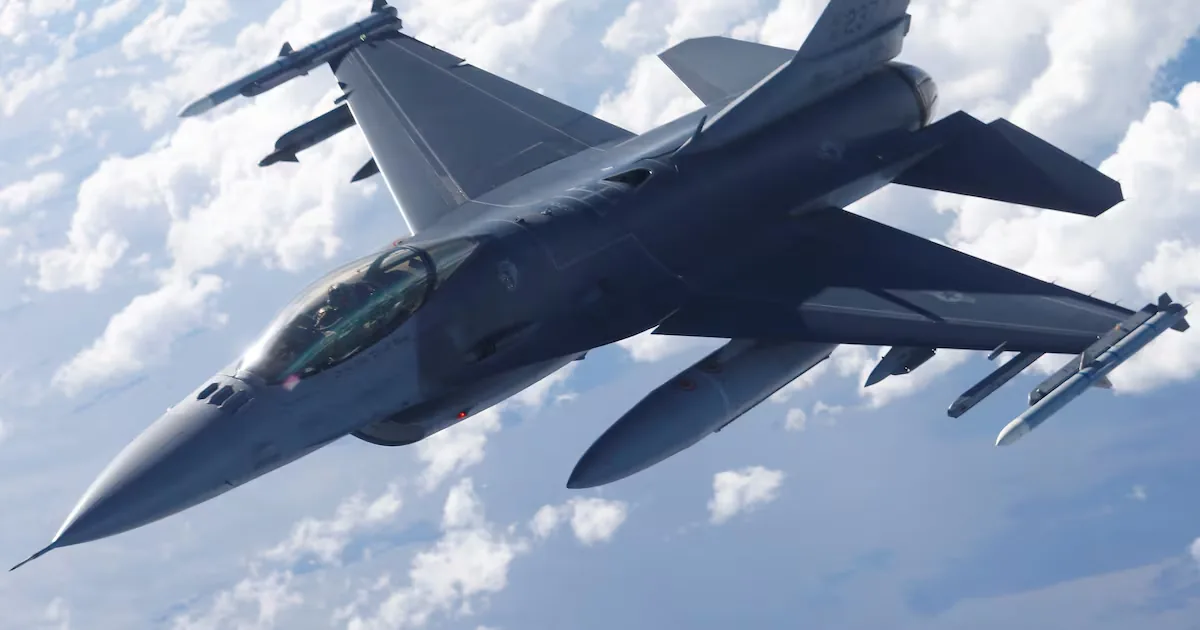
American and Israeli planes bombed the territory, destroyed infrastructure, and caused the death of the then-supreme leader, Ayatollah Ali Khamenei, and thousands of civilians. But the theocratic regime has remained intact, emboldened by its own survival.
Asal, a 20-year-old shopkeeper from a city near Tehran, was one of thousands who participated in the January protests. In tears, describing the arrest and torture that she and her friends allegedly suffered, she commented that she once hoped American-Israeli intervention would help overthrow the regime. “Trump told us he wanted to save us, but it wasn’t true,” she states. “What happens in the future no longer matters to me,” she continues.
Adding to the citizens’ anguish, according to several Iranian testimonies, is seeing their loved ones try to overcome economic difficulties only for their small advances to be crushed by the next crisis.
Read more Iran defends Saudi Arabia’s «right» to use nuclear energy after agreement with United States
Farzad, a web designer from Tehran, recounts that during the recession following the Twelve-Day War, a family friend began selling homemade pickles and jams on Instagram to supplement a pension that was no longer enough. The business, which once thrived, collapsed during the internet blockade imposed by the government during the January crackdown and the first months of the war.
Some Iranians point out that prices have soared to such an extent that they forgo medical care or buy vitamins to replace fruits and vegetables in their diet, because they are cheaper. “Let’s put statistics aside,” Farzad says, referring to the magnitude of the collapse. “We know it from our own experience, from what we have lived through.”
Even when American bombings ceased last month, the humiliations continued. The government maintained its repression against the opposition, with a wave of executions of protesters in January and the confiscation of dissidents’ property.
Last month, cyberattacks paralyzed three of the country’s main banks, according to Islamic authorities, and millions of Iranians suddenly lost access to the little money they had. By the time the banking chaos was resolved, Iran was already back at war.
However, not everyone shares the same interpretation. Government supporters argue that the country has no choice but to keep fighting. “Everything has a price,” says Hossein, who runs an online business from the port city of Bandar Abbas, which was targeted by intense American bombings last week.
“Facing the United States and preserving our independence is much more valuable than becoming another country in the region that simply says yes to everything the United States wants,” he argues.
Much of the new bombing has concentrated in southern Iran, The New York Times reported. Farideh, 51, watches in dismay as American bombings have destroyed railway lines and brought down bridges in her region, leaving some residents isolated for days.
In the southern province of Hormozgan – on the coast of the Strait of Hormuz – airstrikes disabled power grids and a desalination plant, according to the director of the local electricity distribution company, Hamid Saed Panah, and the provincial deputy governor, Ahmad Nafisi. The United States has not commented on these claims.
Some southern residents report that they were left without running water and endured several-hour power outages, amid temperatures constantly approaching 50 degrees Celsius during the northern summer.
“It has been an extremely bitter and stressful experience, full of hopelessness about the future,” says Farideh, who finds it hard to imagine what will become of her children’s education and what job prospects they will have left. “Unfortunately, we, the people, are paying the price for the mistakes and stubbornness of governments,” she laments.
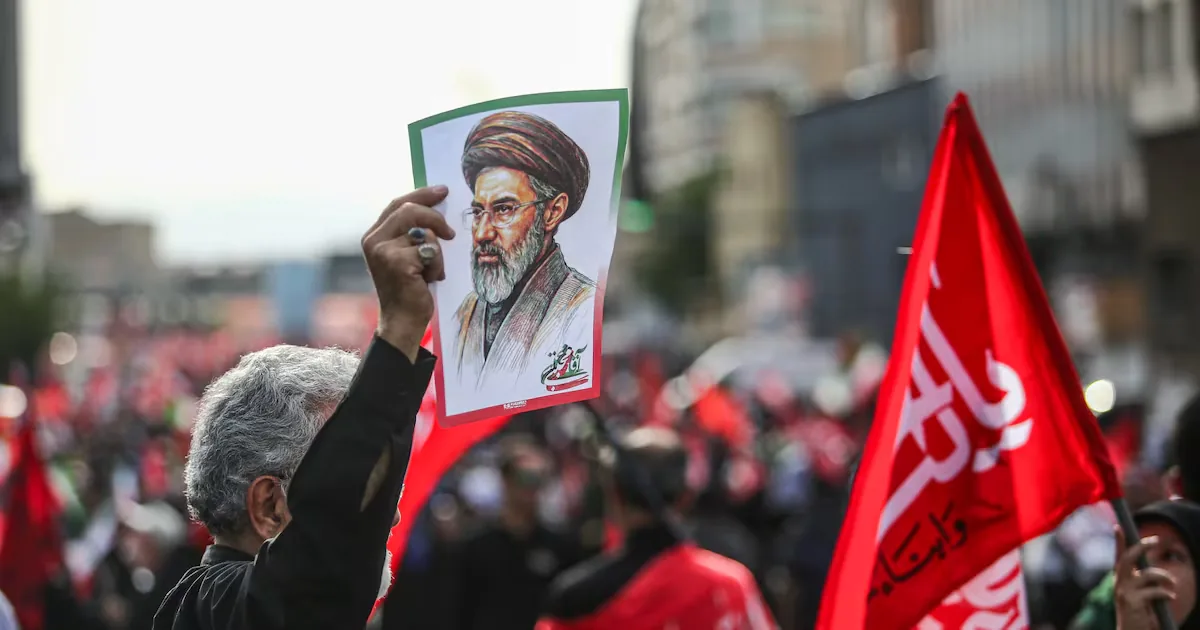
Every night, loyalists to the Islamic republic camp in the streets of most cities to demand that the government choose war instead of peace, which exasperates those who only long for the crisis to end. At this point of exhaustion, the future has become difficult to project.
“The situation has become so serious that everyone has lost their minds,” summarizes Mohsen, a merchant from the central city of Isfahan. “We are trapped in hell and there is no salvation.”