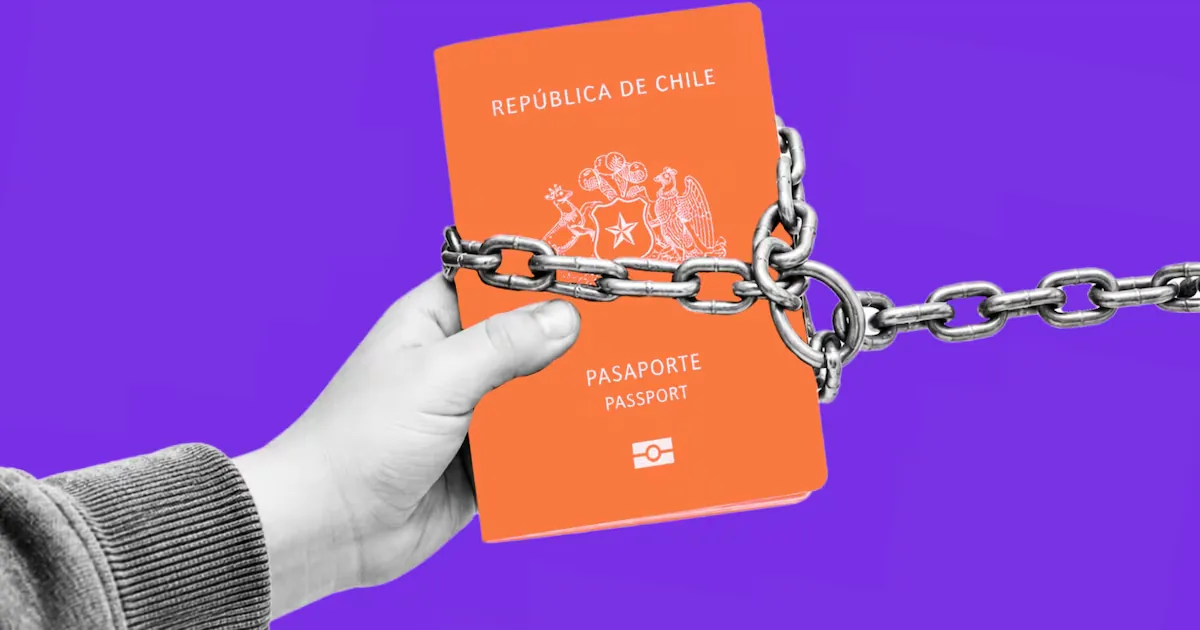










Caring for children, organizing household chores, working, shopping, preparing meals, coordinating schedules, remembering medical check-ups, and being attentive to what others need. For many women, the day is not only full of things to do but also things to remember, anticipate, and solve.
Read more Ceuta: Madrid and Rabat announce measures amid rumors of an imminent entry of Moroccans
This is what is known as mental load: that work, often invisible, that involves keeping much of the daily organization of a family in mind. And although it does not necessarily translate into a concrete physical task, it can make the brain keep working in “pending mode” even when, in theory, it is time to rest.
The problem is that when this overload persists over time, it stops being just exhausting. Chronic stress can also become a factor that contributes to the risk of developing cardiovascular disease.
How does this happen? In response to a stressful situation, the body activates an alert response and releases hormones like adrenaline. It is a normal and necessary reaction to specific situations. But when we are constantly rushed, solving several things at the same time and with few recovery spaces, that state of alert can have consequences.
“The adrenaline you release gives you tachycardia, speeds up your heart, causes the arterial vessels to contract, and that contraction is what affects the organ,” explains Dr. Fernando Lucero, head of the Cardiovascular Diseases Department at Red Salud.
Therefore, for Lucero, the problem is not having a particularly difficult day but making that way of living the norm. “Multitasking can be very nice for you, but it is bad for cardiovascular health,” he says.
Read more Setback for Macron: French Constitutional Court blocks the ban on social networks for under 15s
The above does not mean that a stressful life alone explains a heart attack. “Chronic stress and a busy life contribute to heart attacks by accumulating with factors such as hypertension, diabetes, smoking, obesity, and high cholesterol,” explains Lucero.
But there is another problem: living overloaded can also make it harder to take care of precisely those factors. When time is lacking, exercise is postponed, sleep worsens, it is harder to maintain a healthy diet, and medical check-ups may be delayed. Stress, therefore, can affect cardiovascular health both through the response it provokes in the body and the living conditions it ends up favoring.
And here the mental load stops being just a discussion about who remembers to buy the birthday gift, makes the pediatrician appointment, or knows there is little food left in the refrigerator. When a person spends much of the day anticipating needs, coordinating tasks, and solving problems, having real rest spaces also becomes a health matter.
Therefore, distributing household and care tasks, having support networks, and having moments when it is really possible to disconnect is not only a way to relieve the routine. It can also help reduce a source of stress that, when it becomes chronic, can end up affecting cardiovascular health.