



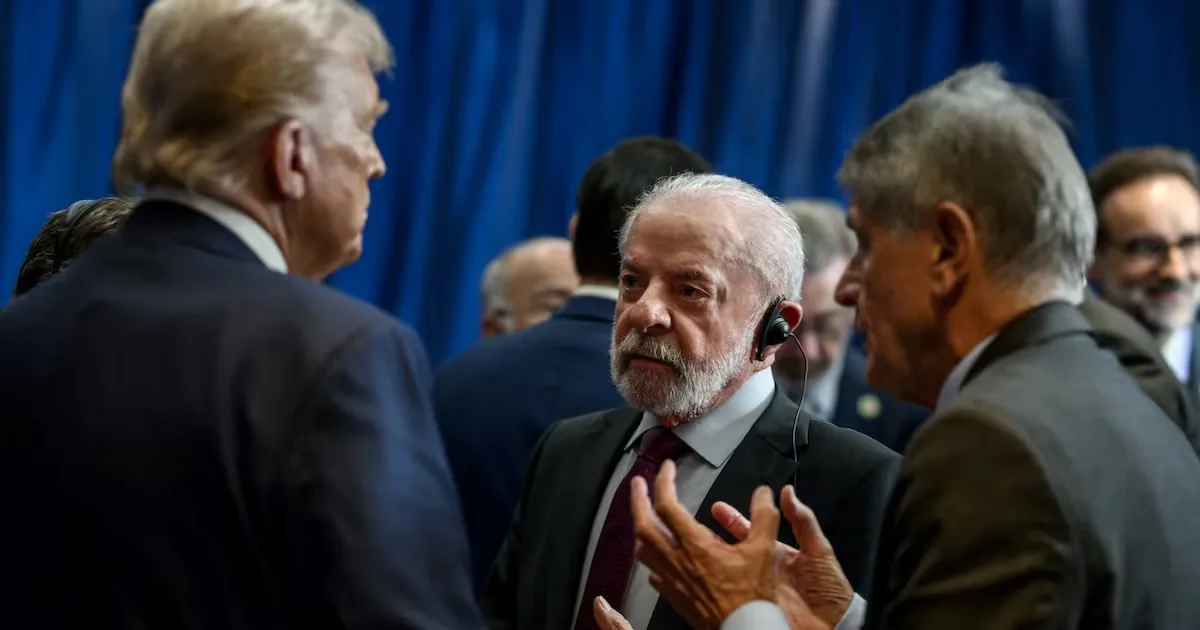
“Trump 2.0 is being much better than Trump 1.0, right? Well, Bolsonaro 2.0 will also be much better.” This is what Flávio Bolsonaro declared at the end of last March, during a speech at the annual meeting of the Conservative Political Action Conference (CPAC) in Texas.
Read more Falklands War: What was Chile’s role and secret aid to the United Kingdom?
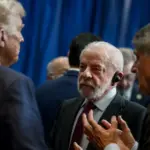
The senator from Rio de Janeiro, son of the disgraced former president Jair Bolsonaro and main rival of Luiz Inácio Lula da Silva in the October presidential elections, has tried to unite Brazil and the United States in a shared political project. The White House occupant, Donald Trump, has been more than willing to please him. Since his return to office, the Republican leader has shown active interest in Brazilian politics. In June, he shared an article on his Truth Social network describing the imminent contest for the Planalto Palace as the “next big test” in the Trumpist project of “making the Americas great again.”
Polls point to a very close contest, and Trump and his Secretary of State, Marco Rubio, have been accused of trying to tilt the balance in favor of Bolsonaro through an open campaign of economic and diplomatic pressure against Lula, notes the British newspaper The Guardian.
U.S. measures include imposing 25% tariffs on most Brazilian imports and designating Brazil’s main criminal groups—the Red Command of Rio de Janeiro and the First Capital Command of São Paulo—as foreign terrorist organizations. Brazilian officials, the newspaper notes, suspect this is partly designed to boost Bolsonaro, making Lula appear lenient on crime.
According to experts, Trump’s tactics recall Washington’s attempt during the Cold War to manipulate Brazilian politics in the lead-up to the 1964 coup d’état against President João Goulart, which led to two decades of authoritarian rule during which hundreds of people were killed or disappeared. Coincidence or not, Goulart was considered Brazil’s last leftist president until Lula first took office in 2003.
“I think there are some obvious parallels, especially in the sense that the United States is re-engaging in a conflicted and deeply polarized Brazilian political moment,” Andre Pagliarini, an expert on Brazilian politics at Louisiana State University and author of Lula: A People’s President and the Fight for Brazil’s Future and the forthcoming book Claiming the Nation: The Politics of Nationalism in Modern Brazil, tells La Tercera.
James N. Green, emeritus professor of Brazilian History and Culture at Brown University, also sees parallels between Trump’s use of tariffs to sabotage Lula’s campaign and how Washington in the early 1960s tried to weaken Goulart’s government by funding his opponents and cutting loans.
“In 1962, the CIA spent at least five million U.S. dollars to clandestinely finance gubernatorial campaigns of candidates opposed to João Goulart’s government. This included paying for propaganda to support right-wing candidates. Today, that amount would be equivalent to between 30 and 35 million dollars. At the same time, funding for development projects backed by USAID (United States Agency for International Development) was suspended and only programs in states whose governors opposed Goulart were supported,” he told La Tercera.
“The imposition of 50% tariffs on Brazil last year—a country that maintains a trade surplus with the United States—was initially linked to the demand that President Lula interfere in the trial against Jair Bolsonaro for organizing an attempted coup and grant him a pardon. It also included measures to sanction members of Brazil’s Supreme Federal Court who supported Bolsonaro’s conviction, such as canceling their U.S. visas and charging Justice Alexandre de Moraes with violating the Magnitsky Act for alleged human rights violations in Brazil. When the U.S. Supreme Court declared those tariffs illegal, the United States imposed 37% tariffs on Brazil, designed to weaken the economy and generate anti-Lula sentiment among the population,” Green asserts.
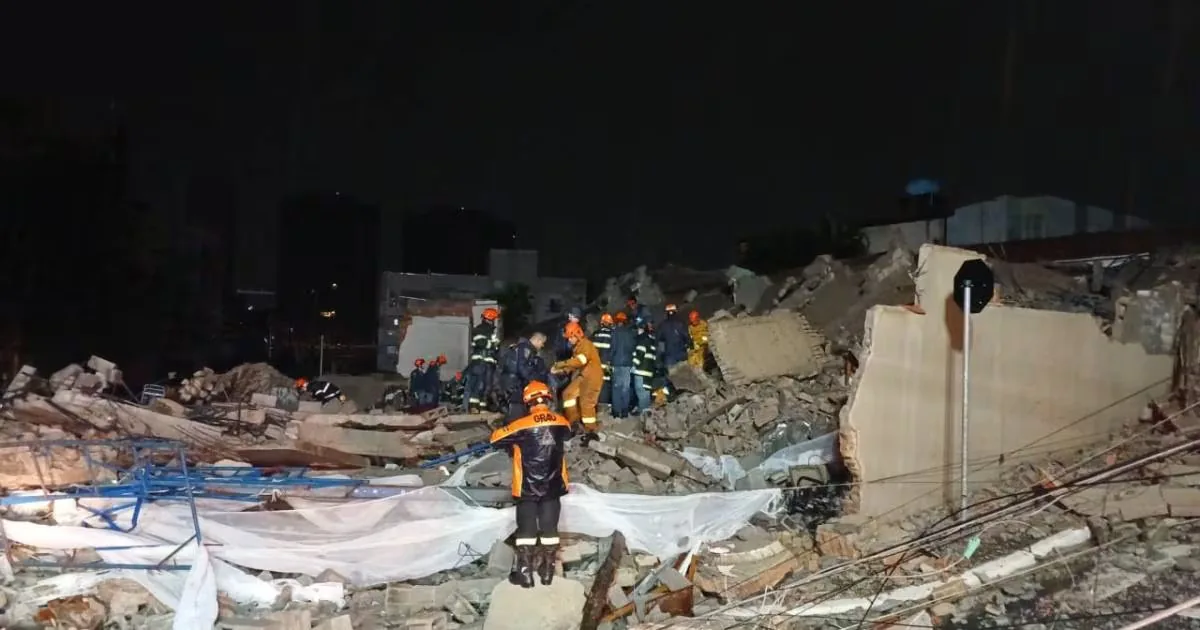
Read more Brazil: At least two women dead after building collapse on a house in São Paulo
He adds: “Another parallel between the 1962-1964 period and today is that if the Brazilian election runoff is close and Lula wins by a narrow margin, it is likely that Trump will not recognize the results or insist that the winner was Flávio Bolsonaro. When the military took power in 1964, the U.S. government immediately recognized the new government the day after the coup.”
“But the differences are also important,” Pagliarini warns. “The Cold War context of the early 1960s was very different, as was the nature of U.S. intervention. Still, Trump’s tariffs and his relationship with the Bolsonaro family have placed Washington back at the center of Brazilian politics in an unprecedented recent way that could have unforeseen consequences. Foreign pressure has historically strengthened nationalist sentiment in Brazil, and Lula knows very well how to speak that language,” he maintains.
The State Department has rejected accusations that the United States tried to interfere in the Brazilian elections. “Any insinuation of a ‘maneuver’ to undermine the elections of a democratic nation is an unfounded lie,” a spokesperson said in a statement cited by The Guardian. “We respect the Brazilian people and the government they freely choose through free and fair elections. We have respected and collaborated with governments on both sides of the political spectrum in Brazil, and have maintained very fruitful relations with them.”
Nevertheless, Green believes that “part of the U.S. pressure against Lula’s government seeks to create the narrative that Lula caused the U.S. tariffs due to his poor relationship with Trump. Bolsonaro’s circle maintains that they are the only ones capable of successfully negotiating a reduction of the imposed tariffs, thanks to the ties Flávio and his brother Eduardo Bolsonaro have with the current occupant of the White House.” “It is clear that Trump does not want to reach an agreement that could represent a victory for President Lula. Therefore, he insists on keeping tariffs high to cause problems for the Brazilian economy,” he states.
In this scenario, the Brown University academic highlights that “one of Lula’s responses has been to mobilize popular support around non-interference in Brazil’s internal affairs, since many people still undecided about whom to vote for in the Brazilian elections reject Trump. Flávio’s alignment with Trump among this small segment of the population does not benefit his campaign among these voters.”
And Green already envisions possible scenarios in October. “If the final runoff results give Lula a narrow victory, it is likely that Trump will not recognize the result and will mobilize right-wing presidents in the region to join the United States in efforts to delegitimize the elections. The current government would have to mobilize its supporters in the streets if that were the dynamic in October,” he details.
In contrast, Pagliarini admits to having “less certainty about the effect all this will have on the elections.” In fact, Lula seems to have managed to defuse, at least for now, the issue of Trump’s interventionism and perhaps even remove nationalism from the center of the electoral debate. Internal affairs have again taken precedence on the agenda, especially following the Banco Master scandal, and they may continue to dominate the campaign until the elections. That is probably more important to most voters than geopolitical issues. In that sense, U.S. intervention could end up having much less political weight than it seemed to have just a few months ago,” he concludes.
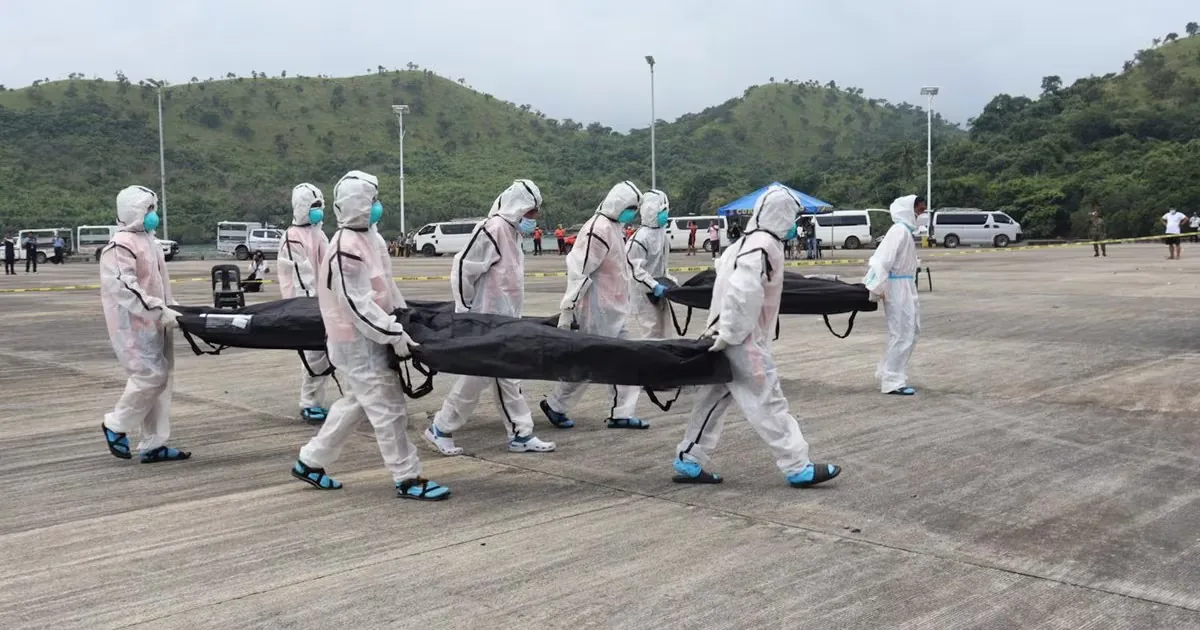
Read more Death toll rises to 76 in ferry fire west of the Philippines