


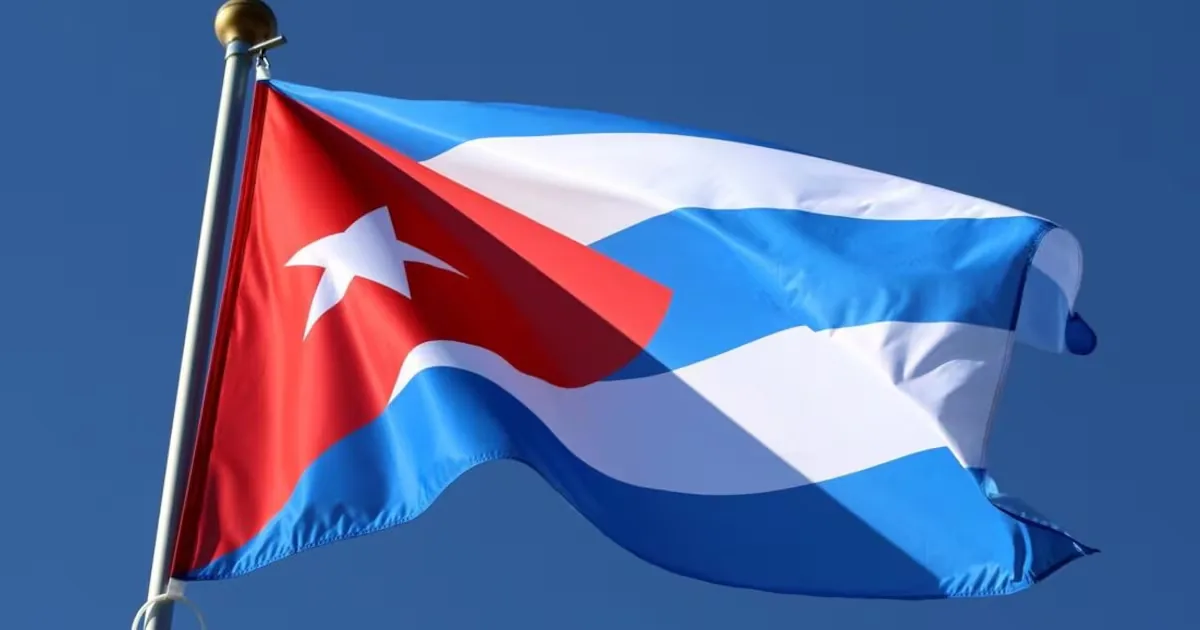
The United Nations (UN) warned of the “deterioration of humanitarian conditions” in Cuba due to the “combined” impact of the energy crisis on the island, caused by the reinforcement of the blockade and sanctions by the United States, and recent natural disasters in Cuban territory, with impacts “on all basic services” to the population.
The United Nations Office for the Coordination of Humanitarian Affairs (OCHA) stressed that “humanitarian conditions are deteriorating as the energy crisis deepens” and indicated that “the combined impact of the energy crisis derived from US executive orders and other sanctions, along with hurricanes and other natural disasters, is far-reaching and expanding daily” on the island.
“All basic services, from drinking water and sanitation to food production and the health sector, are affected by the lack of fuel and electricity,” they explained. “More than 100,000 surgical interventions have been postponed due to the severe shortage of medicines and medical supplies,” they lamented.
Thus, they recalled that the UN and its partners published a Humanitarian Action Plan to deliver aid to two million people, while highlighting that “the energy crisis is also limiting the ability to deliver already committed aid,” while “dozens of containers of food and medical supplies remain held in ports due to lack of fuel.”
Therefore, they urged the international community to “facilitate the timely and unhindered delivery of fuel for humanitarian purposes and other vital aid,” as well as to finance the Action Plan, which currently only has 21% of the requested funds.
Read more U.S. rejects “any attempt to overthrow” Paz and announces increased emergency aid for Bolivia
Washington imposed an oil blockade on the island in January, threatening sanctions and tariffs on any country that supplies energy to Cuba, which has deepened the supply crisis, especially after losing its supply from Venezuela earlier this year following the US military operation in Caracas, which resulted in more than a hundred deaths and the capture of Venezuelan president, Nicolás Maduro, and his wife, Cilia Flores.
The pressure campaign saw a new chapter on Thursday with the US announcement of sanctions against Cuba’s president, Miguel Díaz-Canel, and four other individuals – including his predecessor, Raúl Castro – as well as against five Cuban entities: the Ministry of the Revolutionary Armed Forces, the Committees for the Defense of the Revolution, the travel agency Amistur Cuba S.A., the Cuban Institute of Friendship with the Peoples, and the mining company La Victoria.
In response, Cuba’s Foreign Minister, Bruno Rodríguez, called the United States’ decision “vile,” while Díaz-Canel stressed that these sanctions are an attempt to “reinforce blockade measures” and present a “scenario of conflict between Cuba and the United States.”
Read more Ecuador’s President again reduces his government, going from 14 to 10 ministries