









Tampons, sanitary pads, panty liners, and absorbent underwear are part of the routine of millions of people. However, various studies have detected potentially problematic substances in these products, including plastic derivatives, synthetic fragrances, phthalates, bisphenols, and PFAS, known as “forever chemicals” due to their difficulty to degrade.
Read more Fried eggplants
Besides the doubts about their health effects, the environmental impact is also a concern. As Paula previously published, it is estimated that around 100 billion menstrual products are discarded each year, ending up in landfills and oceans. “A sanitary pad takes approximately 500 years to degrade and the tampon applicator even longer,” explained Paula Valenzuela, founder of Mia Luna, a Chilean menstrual health company. “This is because they contain substances like latex, dioxins, absorbent powders, and other chemicals that harm the environment and water tables.”
And according to an article published by the United States National Library of Medicine, these compounds not only raise concerns due to their environmental impact. They could also affect the health of those who use these products, as several of them are considered endocrine disruptors, chemical substances capable of altering hormonal function and, in the long term, influencing reproductive health.
The concern increases when considering the sustained use of these products throughout life. It is estimated that a person can use between 10,000 and 15,000 disposable menstrual products over decades, which has led both specialists and consumers to wonder what materials remain in intimate and repeated contact with the body for so many years.
Paula Mella, a midwife specializing in menstrual health, explains that “many recurrent vulvovaginal discomforts do not necessarily correspond to infections, but to irritative processes associated with the repeated use of certain menstrual products.” She refers to symptoms such as irritations, allergies, and dermatitis linked to the use of certain synthetic materials, adhesives, and fragrances present in some products.
“People no longer only look for functional menstrual products. They also want to know what they contain and how they impact their well-being. Transparency and clear information have become fundamental when choosing,” adds María Jesús Bascuñán, CEO and co-founder of the Chilean menstrual health brand Meness Concept.
In response to this situation, various product alternatives have emerged that not only seek to generate a lower environmental impact but also reduce the effects on women’s health. “The increase in the use of reusable menstrual products reflects a very positive change in how we are experiencing menstruation today, because it is in a much more conscious, informed way and more connected with caring for our health and also the environment,” says Paula Mella.
One of the alternatives that has gained the most popularity recently is the menstrual cup, a reusable silicone container that folds and is inserted into the vagina to retain menstrual blood. “For many users, it represents greater autonomy because it does not need to be changed as frequently as other products. Additionally, it has a much lower environmental impact because a single device can be used for many years, thus reducing the amount of waste,” adds the midwife.
Read more Let’s talk about love: my date with a man without social media
The brand Meness Concept offers a much more practical option of the menstrual cup, which contains copper nanoparticles integrated into medical silicone that eliminate 99.9% of bacteria and fungi on direct contact, making it unnecessary to boil it for two years.
Another existing option is underwear designed to retain menstrual flow. These products replace or complement the role of pads or tampons by absorbing the flow directly thanks to their layered construction. Their daily use can last up to 12 hours, and their useful life reaches two years. In Chile, brands like Culotte and Bloody Green have popularized these products.
For the midwife, the option of menstrual underwear “has been a very positive alternative, especially for people seeking comfort and practicality. Many women feel it is a gentler option for their body and less invasive compared to the cup, as it does not require inserting anything into the vaginal canal.”
However, if the preference is traditional, there are sanitary pads and tampons designed in an environmentally friendly way and taking care of elements that could be harmful to health. Meness Concept offers plastic-free and plant-based pads, making them 100% biodegradable. They are also hypoallergenic, fragrance-free, and free of harmful chemicals, which prevents symptoms of irritation and itching.
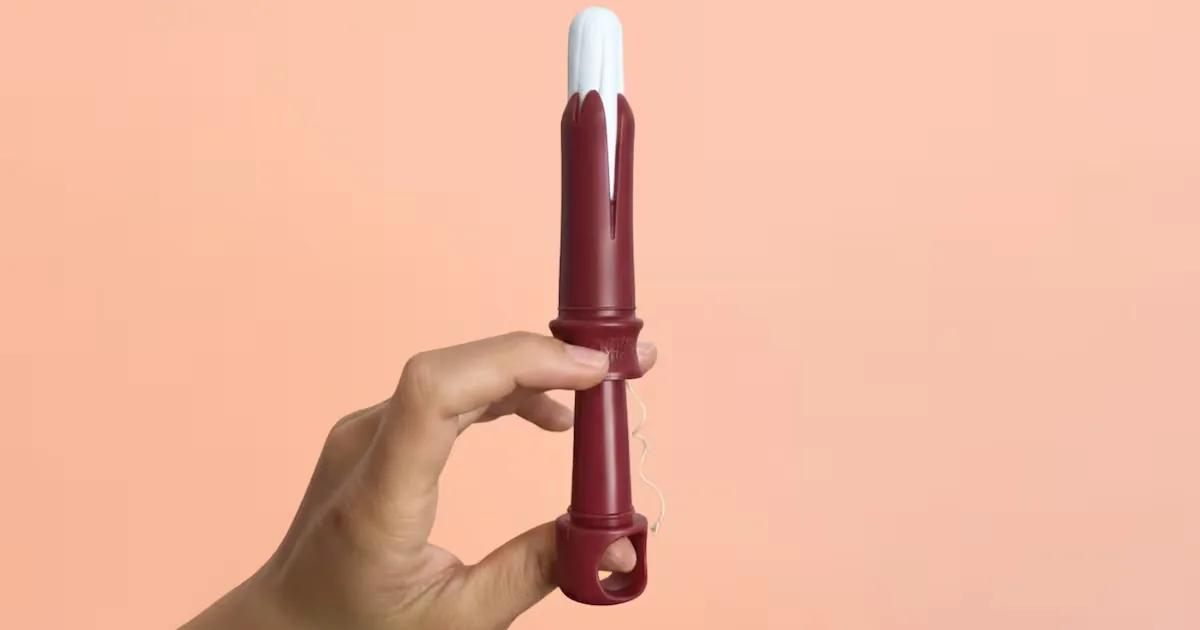
Likewise, they developed an unprecedented product in the national market. It is the first reusable tampon applicator. It has an estimated lifespan of 5 years and only needs to be washed with water and mild soap after use. Paula highlights this product not only for its practicality but also for the progress it represents in reducing waste: “The most important impact it has is that it reduces the environmental impact associated with single-use plastic. That is a very positive point, and it speaks of small changes that can generate significant adherence in the long term.”
For the midwife, the existence of these new alternatives provides greater freedom for those who menstruate. “Beyond which product each person chooses, I believe the most important thing is that today there are more options, more information, and more freedom so that they can finally decide which alternative best suits their body, lifestyle, and needs.”
Read more The right to see a child cannot be above their care