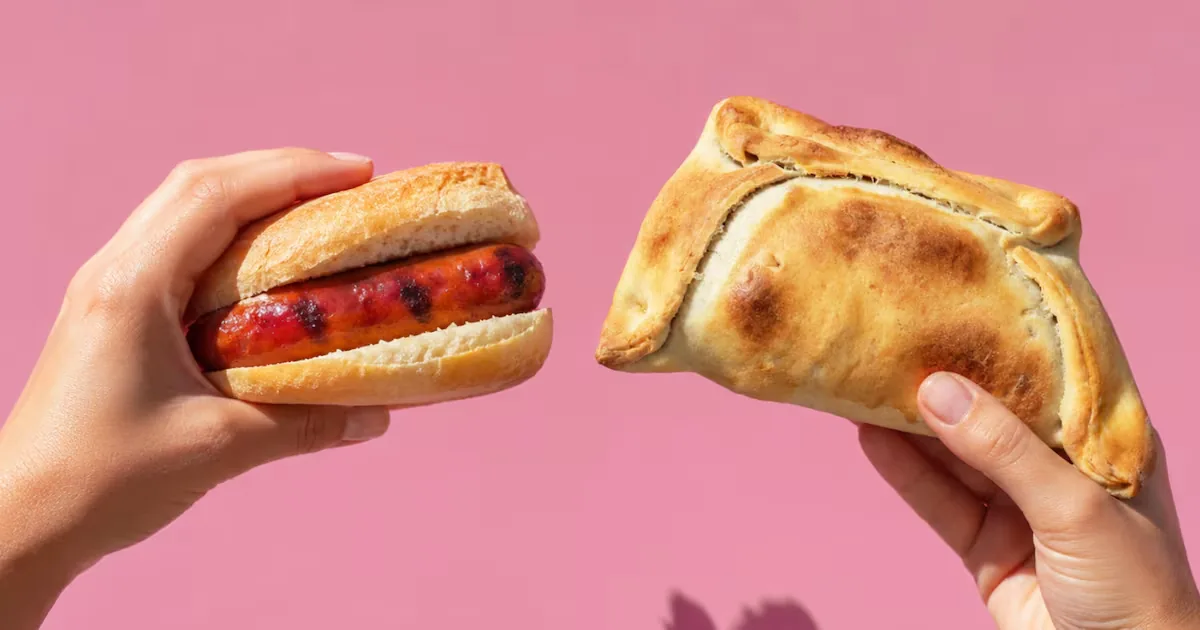









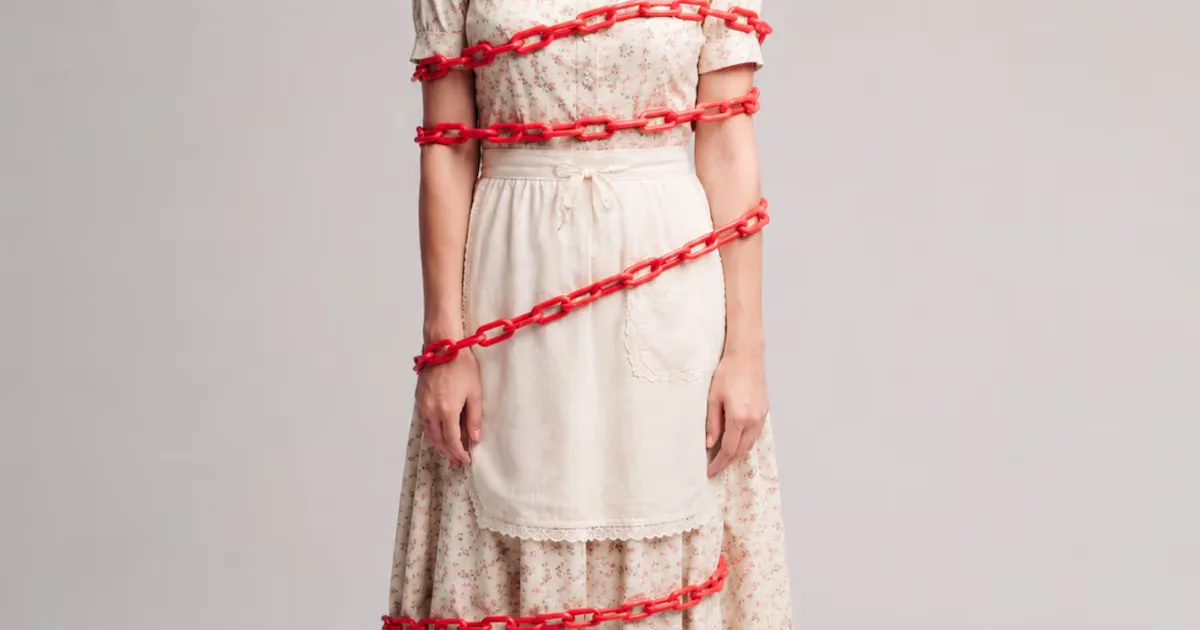
We were convinced that makeup, clothing, or diets are personal choices and that politics is limited to parliaments, elections, or parties. However, few things have been as political as women’s bodies.
Read more United Kingdom: Andy Burnham is elected leader of the Labour Party
From time to time, new discourses appear promising to teach us how to be a “real woman.” In the past, there were etiquette manuals; today there are videos about feminine energy, elegance, modesty, tradwives, or “high-value women.” They are joined by conservative influencers, religious figures, and figures from the so-called manosphere who, from very different spaces, end up defending the idea that there is a correct way to be a woman and that those who deviate from it lose value.
Words, platforms, and faces change, but the logic remains practically intact. When a society begins to define how a woman should look, sooner or later it also ends up defining how she should behave, what aspirations are acceptable, and how much space she can occupy. The body is often the starting point of that control.
History offers plenty of examples. For centuries, the female body was a territory where power was contested. There were corsets that prevented breathing, skirts that made running difficult, and beauty standards that exalted fragility and sacrifice, as if a woman who went hungry was, at the same time, a more virtuous woman. The less space her body occupied, the greater the social approval she seemed to receive.
Today control takes other forms. It appears in certain deeply fatphobic medical discourses, in the constant reduction of clothing sizes, in the excessive advertising of weight-loss drugs, in a wellness industry that sells thinness as synonymous with health and success, and in seemingly innocent aesthetics, like the clean girl aesthetic, which again associate femininity with neatness, discipline, and a slim body. Although they often present themselves as independent phenomena, all respond to an obsession with regulating the female body.
The idea of “high-value women” sums up this phenomenon very well. At first glance, it seems like an empowerment discourse, but it ends up recovering an old logic: a woman’s value is once again measured by how closely she approaches an ideal of beauty, femininity, and behavior largely defined by what others expect of her.
Control rarely begins with explicit prohibitions. It starts much earlier: telling us how to dress, how to do makeup, how to speak, how to eat, which bodies deserve admiration and which need to be corrected. Today those messages arrive wrapped in TikTok trends, in videos about “what a girly likes,” or in influencers who present themselves as friends of girls while reproducing expectations that limit other women’s freedom.
That is why I worry when some women become the main spokespersons of these discourses. Not because they decide to dedicate themselves to motherhood, paid work, or both; any of those paths deserve the same respect. The problem arises when a personal choice begins to be presented as the only legitimate way to be a woman and when female value is once again measured by obedience to an aesthetic, moral, or domestic ideal.
More than three decades ago, Naomi Wolf wrote that pressure on female appearance intensified precisely when women began to conquer spaces of power. The less they could control us through laws, the more important it became to control our appearance. That reflection also helps to understand why dieting can become an effective political sedative. A society that manages to keep us busy counting calories, hating our bodies, chasing eternal youth, or trying to fit into an impossible ideal leaves fewer women with the time, energy, and freedom to question the structures that uphold those same demands.
That is why the problem has never been makeup, dresses, personal care, or the desire to feel feminine. The problem begins when all of that stops being a choice and becomes a condition for a woman to be considered enough, respectable, or “high value.”
While millions of women continue investing time, money, and energy in learning to take up less space, others keep telling us what a female body should look like to be considered enough. Perhaps that is the greatest effectiveness of these discourses: making us see our bodies as an infinite project of correction, while we stop asking who decided it should be so.
Read more EU Court of Justice endorses the Spanish amnesty law: does it open the way for Puigdemont’s return?