



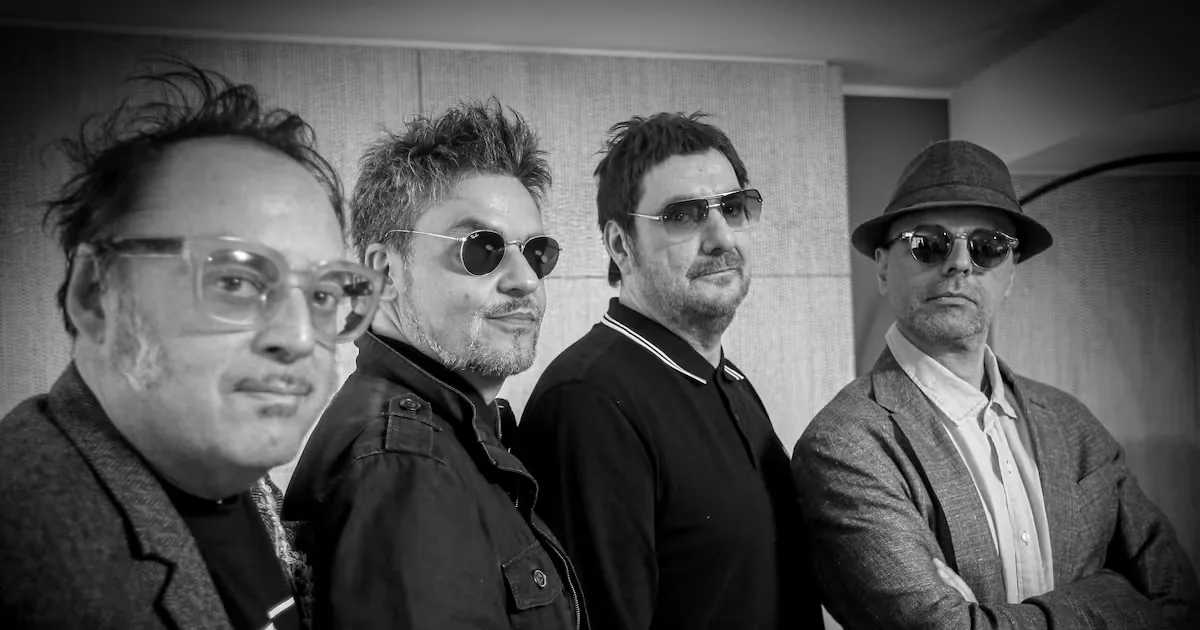
Probably one of the most memorable shows in Los Tres’ career. In December 1995, the group performed at the National Stadium’s Central Court at a time when their career was on the rise. The group had just recorded their MTV Unplugged in Miami, the same season they released La Espada & la Pared, one of their key albums.
Read more Kim Jong-un reveals nuclear fuel plant and warns he will strengthen his deterrence arsenal
In addition to the preliminary shows by Santos Dumont and Aterciopelados, that night is remembered for Pedro Carcuro’s presentation. A move in line with the group’s taste for popular culture. “Something strange is happening”, said the famous host to the audience’s surprise, before giving way to the band’s entrance.
With the experience they had at the time, Henríquez, Lindl, Parra, and Molina delivered a powerful show. They started with Sudapara and performed less obvious songs like En Jamaica and El Haz Sensor. Of course, the usual cueca segment played, with Mándame quitar la vida, El arrepentido, and La vida que yo he pasado. In addition to the repertoire that was consolidating in Chilean music, the group achieved a remarkable connection with the audience. Probably one of the keys to their success.
That dream season for Los Tres was crowned with their first performance at the Viña Festival, on Saturday, February 17, 1996. The group opened the fourth day of the event, which also featured singers Andrés de León and Diego Torres, as well as comedian Jorge Franco with his character “El náufrago”.
“It was a very good negotiation because we asked to be on Saturday, prime time, undisputed repertoire, and payment. We wanted the standard of international artists”, Carmen Romero, the group’s former manager, told this outlet.
Dressed as schoolchildren, as a joke that arose during a chat, the group performed a repertoire focused on the most well-known songs from their three albums. They also included the cueca segment and, in a snapshot of the transition, when playing La Primera Vez, Álvaro Henríquez stated: “This song is dedicated to all those who are in Punta Peuco and to those who should be there”.
The phenomenon of MTV Unplugged marked Los Tres’ 96 season. The album’s release was followed by an unplugged tour where the group performed the album’s material, but in reality offered a musical experience.
That’s what they showed between July 4, 5, and 6 at the California Theater (with Álvaro Henríquez sporting Lennon-esque mustaches from the Sgt.Pepper’s). In a theatrical gesture not very common for them, the group entered the stage playing the Danza Rusa, the famous and cinematic instrumental piece by Tom Waits, to then continue with their material in an unplugged format.
Read more Angelo Pierattini at the Nescafé de las Artes: an electric celebration of the miracle of life
With the reinforcements of Camilo Salinas, Antonio Restucci, Cuti Aste, Ángel Cardenas, and Claudio Morales, the group delivered a performance that showcased their musical ambition. The version of Pájaros de Fuego surpasses that of the Unplugged and the surprising closing with Copacabana (original by Barry Manilow), which included the voices of Javiera Parra and Esperanza Restucci, crowned a memorable performance.
The instrumental curtain of Music To Watch Girls By, by Andy Williams, welcomed the enthusiasts who arrived at the Monumental theater on the cold night of July 5, 1997. Almost a year after the memorable acoustic night at the California, Los Tres transitioned to the electric intensity of Fome.
Therefore, the material from that fourth studio album was what concentrated the night’s attention. A performance where the group presented a powerful sound, dispensing with backing musicians and even without the usual cueca segment. In a way, returning to their roots as a direct rock quartet, as they proposed in their reunion in La Revuelta.
Before the show, the Chile-Colombia match was shown at the venue, played for the qualifiers heading to the France 98 World Cup, which ended in a rout for the national team. The euphoria and youthful excitement of seeing Los Tres at a stellar moment somehow summarized the triumphant spirit of the era; we were the “jaguars” of Latin America.
The reunion of the group’s fundamental lineup, Henríquez, Lindl, Parra, and Molina (who hadn’t played together since 2000) had a first performance in the Plaza de la Independencia, in their native Concepción. A decision in line with the desire to nod to their history.
Therefore, the place was packed. Many young people, who hadn’t seen them in their nineties era, even came from other parts of the country to see them. The ovation thundered as soon as the introduction of Somos tontos no pesados played and Pancho Molina’s solo passed.
Although the band always had a very surgical live performance, in that initial approach to La Revuelta, as they called the reunion, they sounded with a special grit. In an 11-song show, they included only one cueca (La vida que yo he pasado) played in electric format. The ending was with high energy, with the double feature of Tu cariño se me va and No sabes que desperdicio tengo en el alma. As if to make it clear that some things are not forgotten.
Read more The United States Senate guarantees full ICE funding in one of Trump’s biggest legislative victories