







Iran’s Foreign Minister, Abbas Araqchi, denied the accusations of Lebanese President, Joseph Aoun, who claimed that the Iranian government uses Lebanon as a bargaining chip in its negotiations with the United States.
Read more Latin America: The most polarized region in the world?
“If Lebanon were a bargaining chip for Iran, we would have reached an agreement a long time ago,” the Foreign Minister wrote on X.
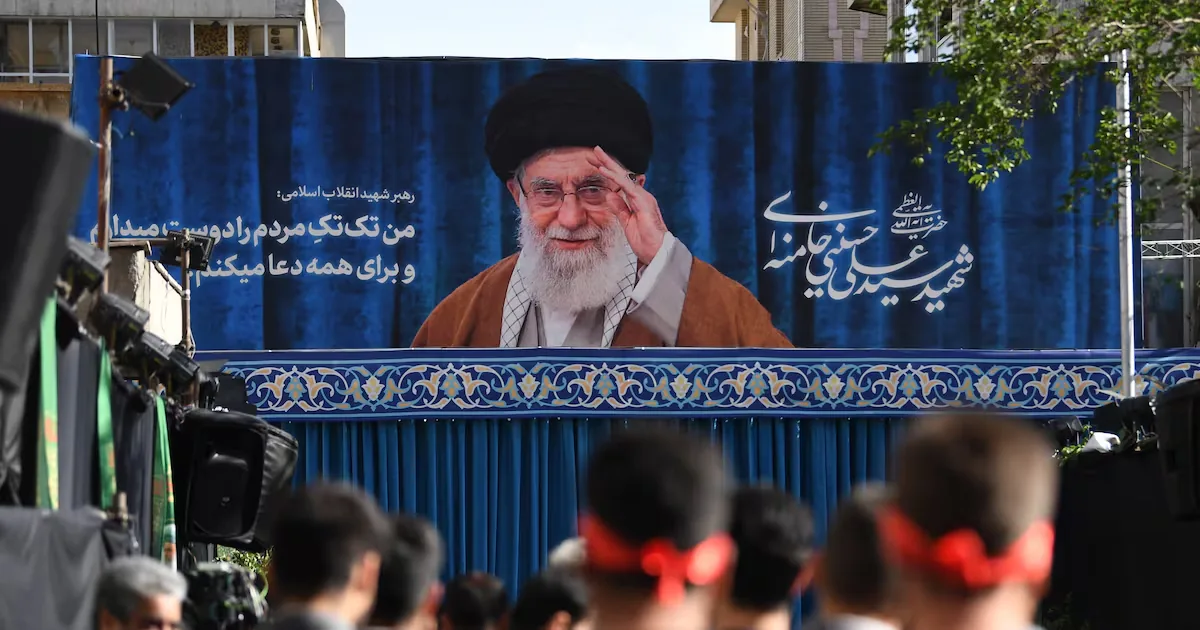
The conflict began on February 28, after a series of coordinated and surprise airstrikes against Iran, which impacted military and government facilities and ended with the assassination of the supreme leader, Ayatollah Ali Khamenei.
The offensive was the climax of an escalation of tensions marked by the breakdown of diplomatic negotiations on the Iranian nuclear program. After the attack, the conflict quickly expanded throughout the Middle East, with the blockade of the Strait of Hormuz, which paralyzed naval routes and caused a global energy crisis. The price of oil exceeded 100 dollars per barrel.
Read more The weight of anti-Fujimorism facing the runoff in Peru
Lebanon has been the target of Israeli attacks, while Iran has linked a potential peace agreement with the United States to the cessation of hostilities in Lebanese territory, where it maintains a strong influence due to its closeness with Hezbollah.
A ceasefire conditioned on the cessation of attacks and the withdrawal of Hezbollah from Lebanon was agreed upon on Wednesday. The group, an ally of Iran, rejected the proposal and again called on local authorities to abandon negotiations.
Read more At least one dead and one injured after recent Ukrainian drone attacks in Russia