





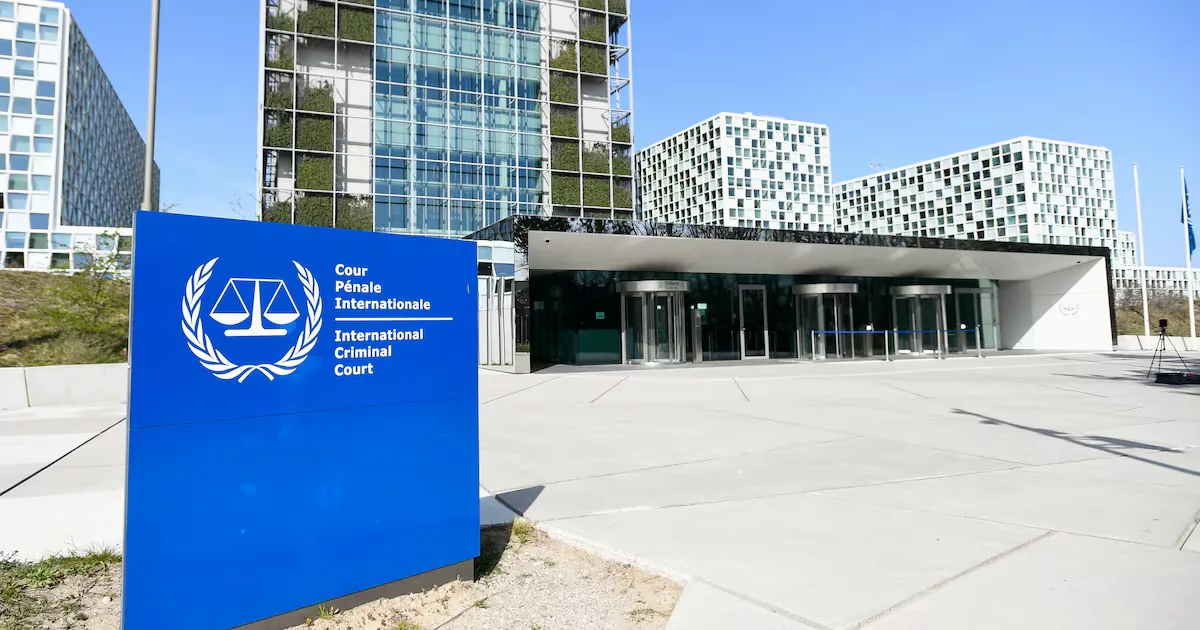
The United States imposed sanctions on Tuesday on the president of the International Criminal Court (ICC) and a senior litigation lawyer of the same, according to Secretary of State Marco Rubio.
Read more The Premonition of Federico García Lorca’s Death Revealed by Pablo Neruda
This measure represents the latest escalation in the Donald Trump administration’s campaign against the ICC, based in The Hague, established in 2002 by the international community to prosecute war crimes, genocide, and crimes against humanity. The United States is not a member of the court.
Rubio stated that he was imposing sanctions on Tomoko Akane, a Japanese judge and president of the International Criminal Court, and Abdoulaye Seye, a senior litigation lawyer and Senegalese national, under a Trump executive order from last year authorizing sanctions against the ICC, according to Reuters.
“These individuals have been directly involved in the ICC’s efforts to investigate, arrest, detain, or prosecute officials whose governments have not consented to the ICC’s jurisdiction,” Rubio said.
The ICC responded quickly, as it had done before to previous actions by the Trump administration, stating that the sanctions “undermine the rule of law.”
“When judicial actors are threatened for enforcing the law, it is the international legal order itself that is compromised,” the court said.
Read more The murder of Federico García Lorca: why they killed him and the mystery of his body
Seye is a lead prosecutor on the team that requested the arrest warrant against Israeli Prime Minister Benjamin Netanyahu and has been nominated to be elected as an ICC judge.
ICC Chief Judge Akane warned in December that U.S. sanctions “will quickly undermine the court’s operations in all situations and cases, and endanger its very existence.”
Last year, Reuters recalled, the United States imposed selective sanctions on several ICC officials, including prosecutors and judges, citing arrest warrants issued by the court against Israeli Prime Minister Benjamin Netanyahu and former Israeli Defense Minister Yoav Gallant, as well as a previous investigation into U.S. troops in Afghanistan.
Rubio stated last month that the Trump administration would intensify its efforts to weaken the ICC, including a diplomatic campaign aimed at persuading other countries to leave the institution, a call that at least five countries have already heeded.
The Secretary of State argued that the court represented a threat to U.S. personnel implementing President Donald Trump’s hardline immigration policies or attacks against vessels accused of transporting drugs, as well as to other members of the U.S. Armed Forces.