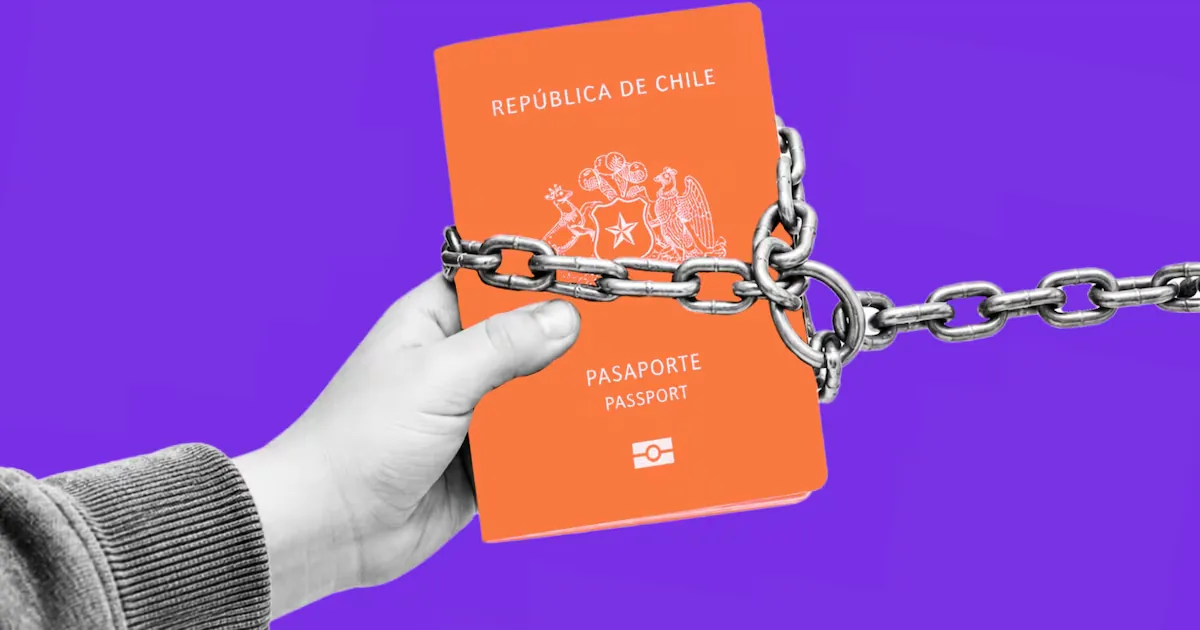










Many people remain for years in jobs that generate high levels of stress and anxiety. Sometimes for economic stability, others to build a good resume or because they feel they cannot afford to quit. The problem is that this wear and tear often goes unnoticed until it begins to affect family life, personal relationships, or even health.
Read more Natalia Valdebenito takes her new improvisation show to the ICTUS Theater
And it is not just a feeling. In 2010, a Harvard University study presented to the American Heart Association concluded that women with highly stressful jobs were 40% more likely to develop cardiovascular disease than those with less demanding jobs. The research also observed that those living with the fear of losing their job more frequently presented hypertension and unhealthy cholesterol levels.
Men are not free from this risk either. A study conducted in 2018 by researchers from University College London and the University of Helsinki showed that those with a history of diabetes or cardiovascular diseases who also held highly stressful jobs had a higher risk of premature death.
“When a person lives under permanent stress, the cardiovascular system begins to suffer,” explains Mauricio Fernández, cardiologist at Clínica Alemana. “Blood pressure increases and metabolic alterations also occur, such as increased blood sugar and changes in cholesterol levels. Additionally, the body enters a pro-inflammatory state that favors the development of cardiovascular diseases, heart attacks, and strokes.”
Part of this process is related to cortisol, the hormone the body releases in response to stress. Under normal conditions, it helps respond to challenging situations, but when it remains elevated for long periods, it can alter multiple body functions.
Read more Chile on the hunt for the 2027 Oscars: who is who in the race to become the local candidate
Among them, the metabolism of food, regulation of inflammation, and the sleep cycle. When stress becomes chronic, the body remains in a constant state of alert and these mechanisms stop functioning properly.
Although there are professions where stress is part of the daily work, as is the case with emergency personnel, specialists agree that it is possible to reduce some of its effects.
In addition to incorporating breathing techniques and tools to manage stress and anxiety, they also recommend maintaining a balanced diet, sleeping between seven and eight hours per night, engaging in regular physical activity, and planning tasks to avoid the feeling of overload.