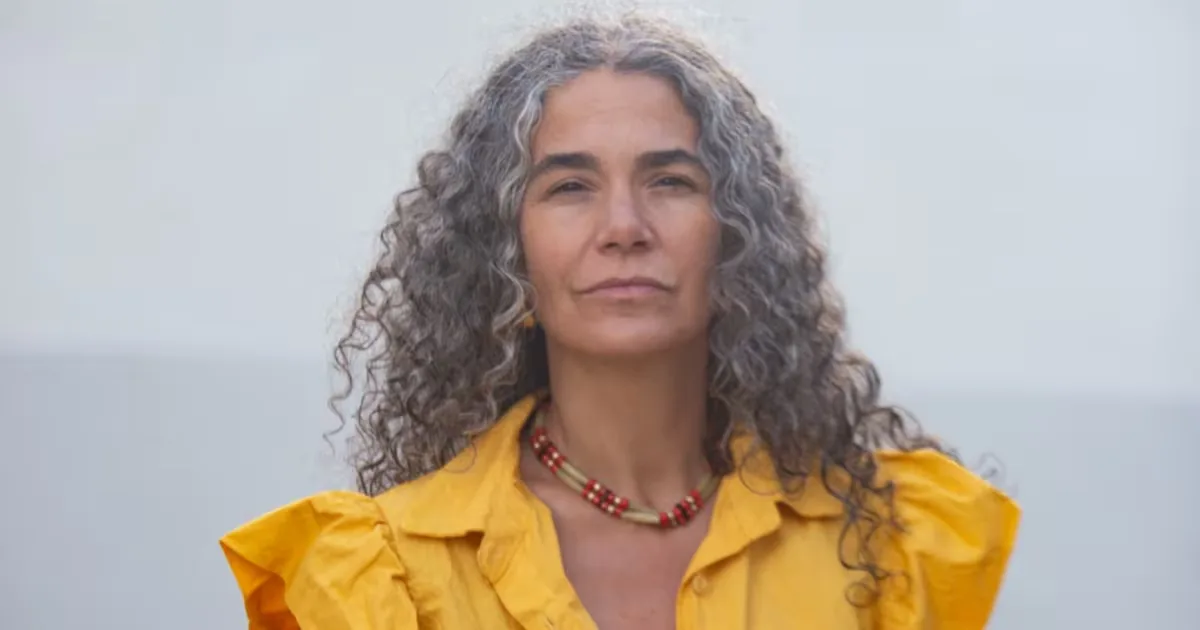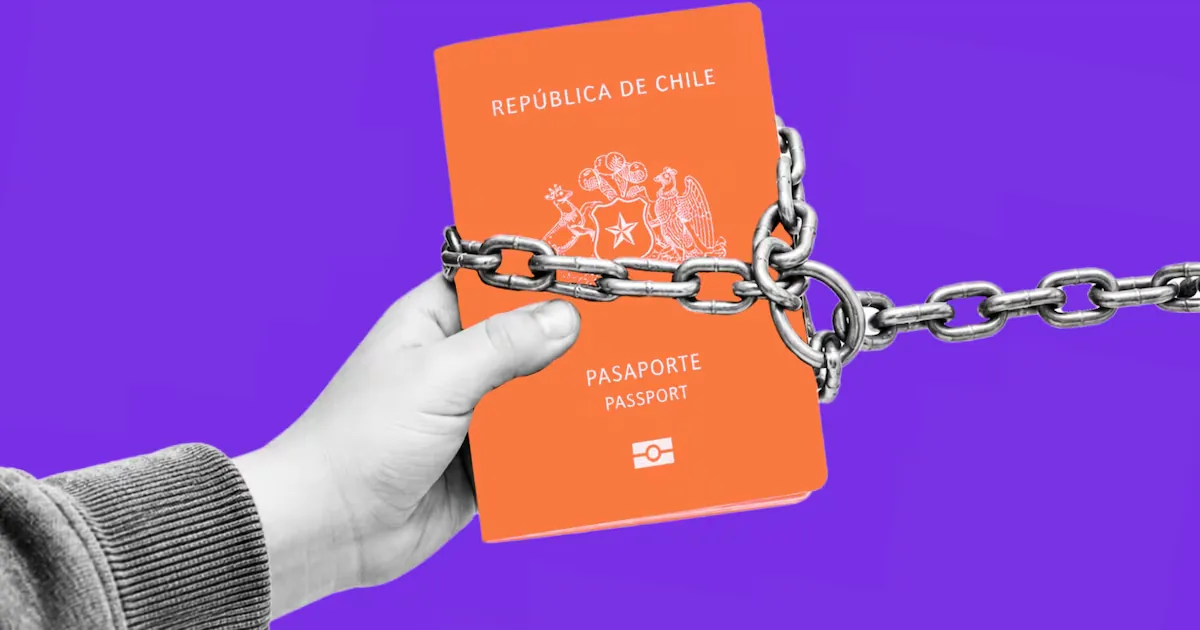









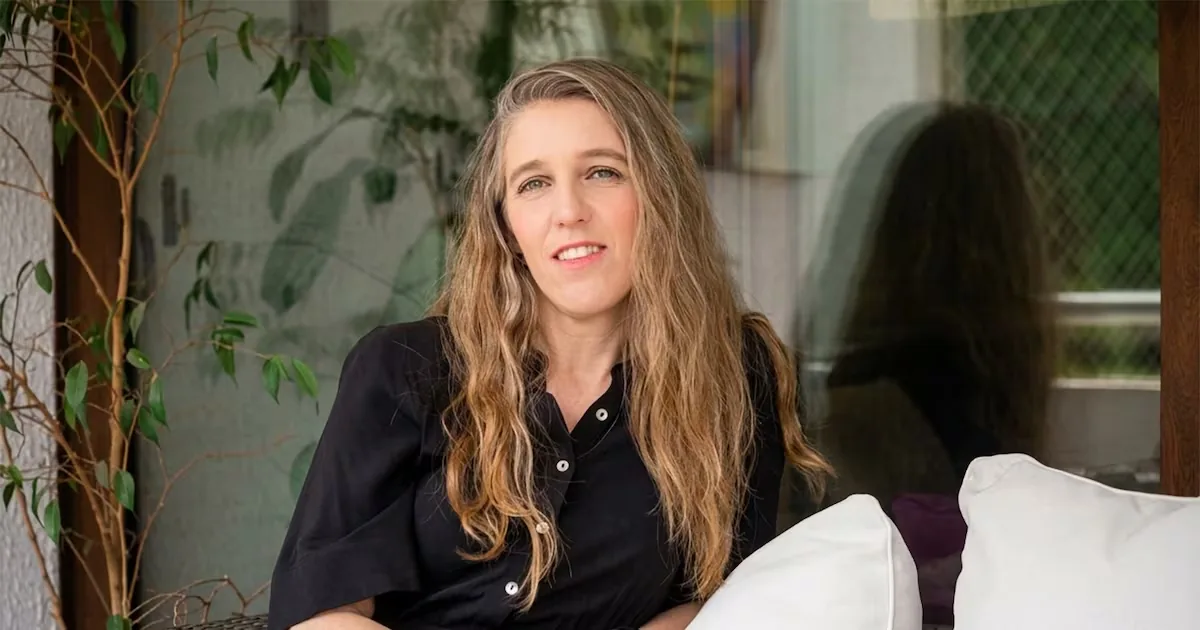
More and more women are choosing single motherhood through assisted reproduction to form a family, and those who do face various challenges. Some legal (as we saw in our Legal Clinic last week), but also myths, misinformation and, above all, prejudices. María Rosa García knows this from her own experience. A psychologist from the Catholic University, a specialist in infertility and assisted reproduction, she became a mother through donation in 2020, just as the pandemic began.
“When I started this journey, I was quite uninformed and very alone. At that time, it was very difficult for me to find information about motherhood through donation, specifically also about motherhood without a partner, which is my case. I didn’t know other women who had done it, nor could I find references on how I could live that experience,” she says. That’s why she decided to create the Instagram account @maternidades.por.donacion, a space where she shares evidence-based information, supports women and families going through this process, and helps to make visible a form of motherhood that is still underrepresented in public conversation.
“My initial motivation was to try to ensure that other women experienced it with more information, more support, with some reference from other women who have also lived it. Then, over time, it merged with the idea that the general population should know that different types of families exist,” she says.
We talked with her about the emotional challenges of motherhood through donation, the stigmas that still persist, and the importance of building new narratives around families born thanks to assisted reproduction.
– For a long time, the idea of family was associated with the presence of a father and a mother. What psychological effects does this cultural mandate have on women who decide to be single mothers?
It has quite a strong effect, in the sense that most of the single mothers I accompany, including myself, never imagined that we would be a family in this way. Most of us grew up in an environment where the families we saw consisted of a mom and a dad, and in some way, that mandate to build a family like that makes many women feel the weight of not having a dad in theirs. This can be associated with pain, because sometimes in one’s own experience there is the fact of having had a good relationship with a dad, so it hurts that one’s own child will not be able to have that experience, or that other children do.
However, that pain is associated with this cultural mandate. Many times we believe that what children need is the figure of a mom and a dad, and we forget that, in reality, what they need to be happy and well is care, love, recreation, education, and health. This does not necessarily have to come from a masculine and a feminine figure living with the child, but can be provided by different types of figures.
When entering a single-parent family, in a way you are faced with tearing down that more traditional conception and opening yourself up to see that there are indeed other possibilities that are neither worse nor better, they are simply different.
– Why is it still so difficult socially to understand and accept chosen motherhood without a paternal figure?
I would say for several reasons. First, because historically there has been the idea that a family must be formed by a man and a woman. This prejudice is not only experienced by single mothers; homosexual couples in Chile have also experienced it. In some way, everything responds to the need to sustain this traditional family model.
On the other hand, I believe this also questions the idea that a man is indispensable for forming a family. Women who access this motherhood are generally professionals and have sufficient economic support to consider bringing a child into the world and raising them. They are women who have developed personal and professional independence and autonomy to navigate the world without depending on another person. In some way, accessing this possibility questions that traditional role.
– What prejudices still weigh on single mothers?
There are people who believe that this type of family harms children, that the donor is, in any case, the father, or that not growing up with a paternal figure will necessarily affect them. There is also the idea that it is a selfish decision, because the mother would only be thinking of her own desire and not the well-being of her children. That’s why I also do this work on social media: to provide information that helps to break down these prejudices or, at least, to start transforming them little by little.
– And regarding this belief that “a child needs a father.” From a psychological perspective, what does the evidence say about the emotional development of children conceived through donation and raised by a single mother?
Many important studies have been conducted with diverse families, including those formed by single mothers. Some, perhaps the most significant, are longitudinal studies, meaning they have followed these families from when the children are born until they are grown. This has allowed them to evaluate different psychological and emotional indicators, comparing them with children who grow up in families with a mom and a dad.
What they show, again and again, is that there are no differences in the emotional and psychological development of children. Their emotional adjustment is the same: they do not present more disorders, more difficulties, more school problems, or greater experiences of discrimination or bullying due to the type of family they grew up in. This demonstrates that these differences do not depend on the type of family, but on other factors. They do not depend on how many caregivers there are or the characteristics of those caregivers.
One of the most common fears among single mothers – adds García – is not related to daily upbringing, but to the story they will one day have to tell. Many wonder if their children will like having been born this way, if at some point they might reproach them for the decision to form a family without a partner, or how to support them when questions about their origin arise.
– In that sense, when is it advisable to start talking to children about their origin?
Evidence shows that it is important for children to have access to information about their origin as early as possible. When they know that story from a young age, they can begin to build initial concepts about this type of family and integrate it very naturally, because it is something they have always known. In fact, when this happens before the age of seven, children don’t even remember the moment they were told, because that information was always present.
In the case of single mothers, it is quite evident for children. They have always lived with their mom and have never seen another parental figure, so they know that there is no dad in their family. But often, when they start school, they begin to realize that their classmates do have one, and that’s when the questions begin.
Some psychological currents also recommend not waiting for children to ask, but rather taking advantage of everyday situations to talk about the topic spontaneously and naturally. Family history appears all the time in conversations, stories, or experiences, and these moments can be transformed into opportunities to explain it.
– What can happen if that information is hidden for years?
What studies have shown is that when this information is delivered late, children often experience it with pain and a feeling of betrayal, because very significant figures for them did not transmit important information about their origin. This feeling of betrayal can generate psychological consequences, especially in trust and in the way they relate to others. In a way, they feel that those who were their most important connections hid something fundamental from them, and from that wound, they begin to relate from a place of greater distrust.
– If a woman is considering being a single mother, what do you think she should ask herself before making that decision?
On the one hand, that she is sure she wants to move towards a motherhood that will be different, that she is calm and confident that she will be able to cope with it in the different circumstances and moments of life, understanding that taking on this enormous responsibility alone is heavier than doing it with two.
In general, all mothers need support networks for raising children, but even more so if they are going to do it alone. Other people can accompany and support, but when decisions have to be made about a child, that responsibility is solely yours. Therefore, before taking this step, it is important to be very clear about what that transformation will imply on a personal level.
Another important aspect has to do with processing the grief of not having been able to form a family with a partner and of building a diverse family, without a dad, if that had been the project you imagined. When these griefs are not resolved, they drag on over time. That’s why it’s important to work on them internally, even in a therapeutic process if necessary, so that they don’t end up affecting the bond with your child.
Read more The UN accuses Israel of «intensifying» its attacks against Gaza: «No place is safe»