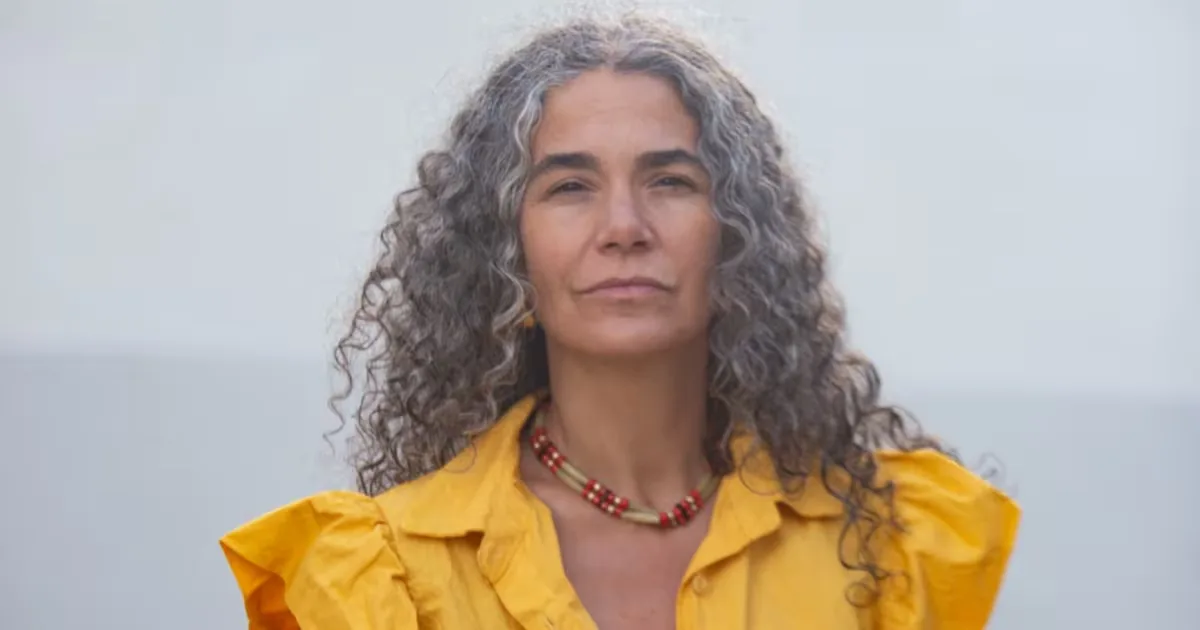








Walking through Tricao Park with her camera in hand, photographer Josefina Rodríguez (@jorodriguez.ph) has managed to document scenes that escape any planning. From genetic oddities to sunrises that look like they came out of a painting. “The park always surprises me, because generally I don’t go on a specific mission, but rather I let myself be carried away by what is happening,” she confesses.
Read more Teatro del Puente premieres “La noche de las espaldas” by Larissa Contreras and Marcelo Leonart
On the occasion of Photography Day, Josefina invites us on a journey through the stories hidden behind her most emblematic images, demonstrating that to photograph nature, the best technique is to let yourself be amazed.
“I was working on the computer when a guide told me there was a tucúquere near Plaza La Virgen. Upon arriving, the owl was there, but no one had noticed it was feeding. I saw it tear apart its prey, but it wasn’t until the moment of photo editing, adjusting lights and shadows, that I discovered what it was. Together with the park’s veterinarian, we analyzed the feather pattern and confirmed the prey was a chuncho. Although the tucúquere preys on smaller birds, a record of predation between two owl species is unprecedented and extremely unusual, especially in broad daylight. It was such an impressive record that it sparked a lot of discussion.”
“The value of this photograph lies in the action. I was at the wetland observing a pair of pitíos when I heard a loud splash in the water. Looking, I saw a yeco in the middle of a fight with a huge and slippery African frog. Just as I was about to take the photo, my battery died, but I managed to change it and was able to capture the scene. Being large and hard-to-eat prey, the frog finally managed to break free and escape. However, the photo sequence reflects the harshness of nature and highlights the important role these birds play in controlling populations of invasive species.”
“While photographing the wetland, I came across a completely white bird. At first, by association with the environment, I thought it might be a huairavo, but upon reviewing the photos I noticed the morphology was that of a thrush. After consulting with the veterinary team, we confirmed it was not an albino specimen, but a thrush with leucism (a genetic peculiarity that causes partial loss of pigmentation). It is an extraordinary and very particular photographic record for the park.”
“For bird lovers, this was truly big news. A worker repairing a walkway by the lake edge informed me of the presence of this eagle. It is a very rare migratory bird that travels from North America during the northern hemisphere winter; seeing it is a trophy for any birdwatcher. I immediately left my lunch to go look for it. Although my original plan was to photograph it in full fishing flight, I arrived just in time to capture it finishing devouring a trout. We could only enjoy its presence for about five hours before it disappeared.”
Read more Iran says the United States is seeking a «dignified exit» from the region
“There is an exact hour when the sun stops directly illuminating the wetland. It was right at that transition, as dusk fell and it began to get dark, when a single beautiful ray of light illuminated the suspension bridge. It was a fleeting moment that I managed to capture, resulting in a truly magical postcard of the park.”
“We were in a long day recording the ‘Tricao Mágico’ project. After spending the whole night working in the absence of light, dawn arrived. In photography, you must use light to your advantage, and when the sun rose, it dyed the sky and water a spectacular pink. In front of us, a heron roost woke up and the birds began to fly over the lagoon before perching on a nearby tree. Witnessing how nature awakens was an absolute privilege.”
“I had gone to photograph a chagual in bloom, a huge and very striking plant from the central zone whose flowering is sporadic. While observing, a thrush appeared and began feeding inside the flower. The most curious thing about the capture was that this bird, naturally black-feathered, ended up with its head stained a bright orange. It was not a different species, but the result of a true bath in the plant’s pollen.”
At the end of the day, Josefina’s photographs are an open invitation for the public to dare to capture unique scenes, always respecting the different species. Whether walking the trails of Tricao Park or any other green lung, the idea is to slow down and pay attention.
“Photographing wildlife has taught me that you get nowhere planning the perfect shot, today you don’t even need the best camera, as cell phones allow you to perfectly explore what surrounds us. The best approach will always be to walk patiently, stop to observe, and let the environment gift you its own spectacles,” concludes the photographer.