









What if psychotropic drugs didn’t change who you are, but helped you find yourself again?
I was just over 20 years old and had had three urinary infections in a short time. All the tests showed me the same thing: there was no infection. It was stress.
I was studying psychology and, when the doctor told me I needed an anxiolytic, I resisted – as many of my patients do today – but the explanation she gave me made me think. She said: “Today your body is in a constant state of alert and what we will do is help it remember how it felt to be calm again. Once we achieve that, your body, which has memory, will do it with less and less support from the anxiolytic and soon you won’t need it anymore.”
I followed my treatment to the letter, remembered how I felt when I was calm and from that moment I never forgot it. Those psychotropic drugs taught me to calm down again at a time when I didn’t have the resources to do so. I stopped needing them after a while and today, looking back, I would repeat the same treatment without hesitation.
Over the years I discovered that that conversation with my therapist would be the one I myself would have hundreds of times later with my own patients: “I’m afraid of becoming dependent on them, I could become addicted”; “When I take them I feel like they cloud me and I’m someone else”; “Depression won’t beat me, I’m strong” and a series of other similar phrases that surround the very idea of taking psychotropic drugs.
There is a prejudice around psychotropic drugs that we rarely see with other medical treatments. No one questions taking medication to regulate blood pressure or insulin when the body stops producing it. However, when the organ that needs help is the brain, it seems we still feel that we should be able to solve it only with willpower.
Perhaps the problem is that we still believe that emotional or mental suffering belongs to a different category of health. Since it is not seen on an X-ray or appears in a blood test, we tend to treat it as if it were a character flaw and not a condition that also has a biological expression.
An important part of therapy consists precisely of this: helping to understand that mental health is also physical health and part of our body. That our emotions and mental states also have a correlate in our body, organs, and hormones. And that, when there is an imbalance, receiving pharmacological support is not a failure nor a shortcut, but another tool within a comprehensive treatment, whose indication always corresponds to the treating physician.
It is deeply moving to observe how, as the treatment takes effect, people begin to recover aspects of themselves they thought were lost: they manage to calm down, regain balance and, only then, their true personality begins to reappear. Their tastes, their interests, the things they enjoy. They can even look at their surroundings with different eyes. They are no longer paying attention to a thousand things at once, to dozens of internal demons, nor are they using all their energy to sustain the days when their existence weighs so heavily on them.
Psychotropic drugs often allow who you really are to appear. Accompanied by a therapeutic process – without self-medicating, and being properly prescribed by a health professional – they can be a fundamental tool for the brain to regain its balance.
Many people discover for the first time what it feels like to live in calm. And when they know that state, they also begin to recognize when they are moving away from it. That experience ends up becoming a powerful tool for self-knowledge and from there we can begin to build a new relationship with ourselves and our environment.
For years I thought accepting help was giving up my strength. Today I believe exactly the opposite.
There are moments when the bravest act is not to keep resisting, but to allow someone: a therapist, a psychiatrist or even a small pill to hold the weight that we can no longer carry alone for a while.
If you are going through a difficult process, have trouble concentrating, the days weigh on you or you have a constant feeling of tiredness, I hope you don’t confuse asking for help with giving up. Sometimes it is precisely the first step to finding yourself again.
__
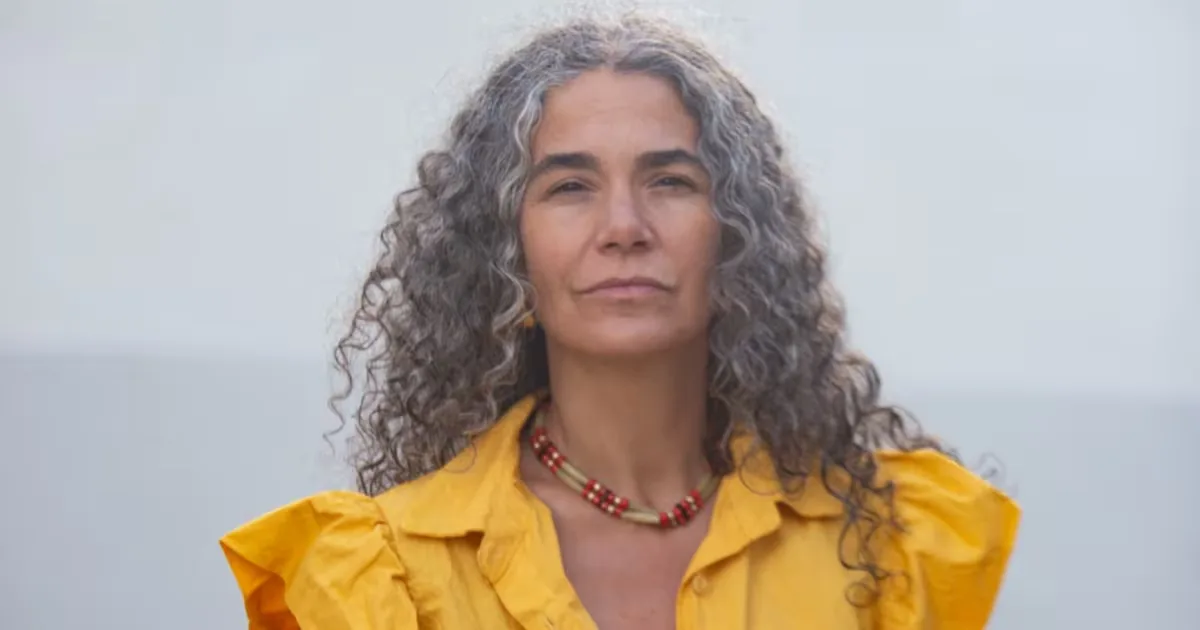
Camila Gatica is a psychologist and coach (camilagatica.cl)